
Cart
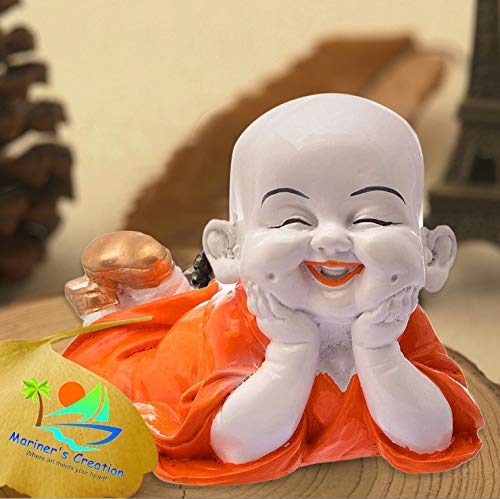
Ever walked into someone's home and felt instantly calmer when you spotted a serene Buddha statue in the corner? It's like their peaceful vibes are contagious! Bringing Lord Siddhartha's statue into your own space isn't just a décor choice – it's an invitation to tranquility, wisdom, and maybe even some good fortune (who couldn't use a little extra of that?). But before you plop that peaceful figure just anywhere, let's chat about the ancient science of Vastu Shastra and how it can help you position your Buddha perfectly. Think of this as your ultimate guide to creating a zen zone that would make even the most stressed-out person say "ommm" with conviction! And if you're seeking that perfect serene presence, consider a Stunning Abstract Buddha Statue for a Peaceful Vastu Zen Zone that comfortably fits in your living area or calm nook.
.jpg)
According to Vastu wisdom, the direction your Buddha faces is more important than which way you face when eating the last slice of pizza (though that's important too – no judgment here). Ideally, your Buddha statue should face the east or north direction. Why? East represents new beginnings and enlightenment – perfect for Buddha's whole vibe, right? It's like positioning your coffee maker for optimal morning sun – it just makes sense! If east isn't an option, north works too since it's associated with prosperity and positive energy. Just remember: Buddha facing the south or west is a big Vastu no-no, unless you want to accidentally invite some chaotic energy that's less "peaceful enlightenment" and more "why is everything going wrong today?" A Vastu-Compliant Buddha Idol to Elevate Your Living Room Corner can help you gracefully align your energies and enhance positivity in your space.

When it comes to Buddha statues, size really does matter – but not in the way you might think! A Buddha that's too massive for your space might overwhelm the room's energy (and your furniture), while one that's too tiny might get lost among your collection of quirky figurines and succulent plants that refuse to die. For apartments and smaller homes, a statue between 8-12 inches works beautifully. For larger spaces, you can go bigger – up to 24 inches or more. Just remember: your Buddha shouldn't be towering over everything like it's auditioning for Godzilla's peaceful cousin. It should feel proportionate and harmonious with your space! A smart pick could be a Medium-Sized Showpiece Buddha Monk for Balanced Vastu Display, ideal for coffee tables or medium shelves.
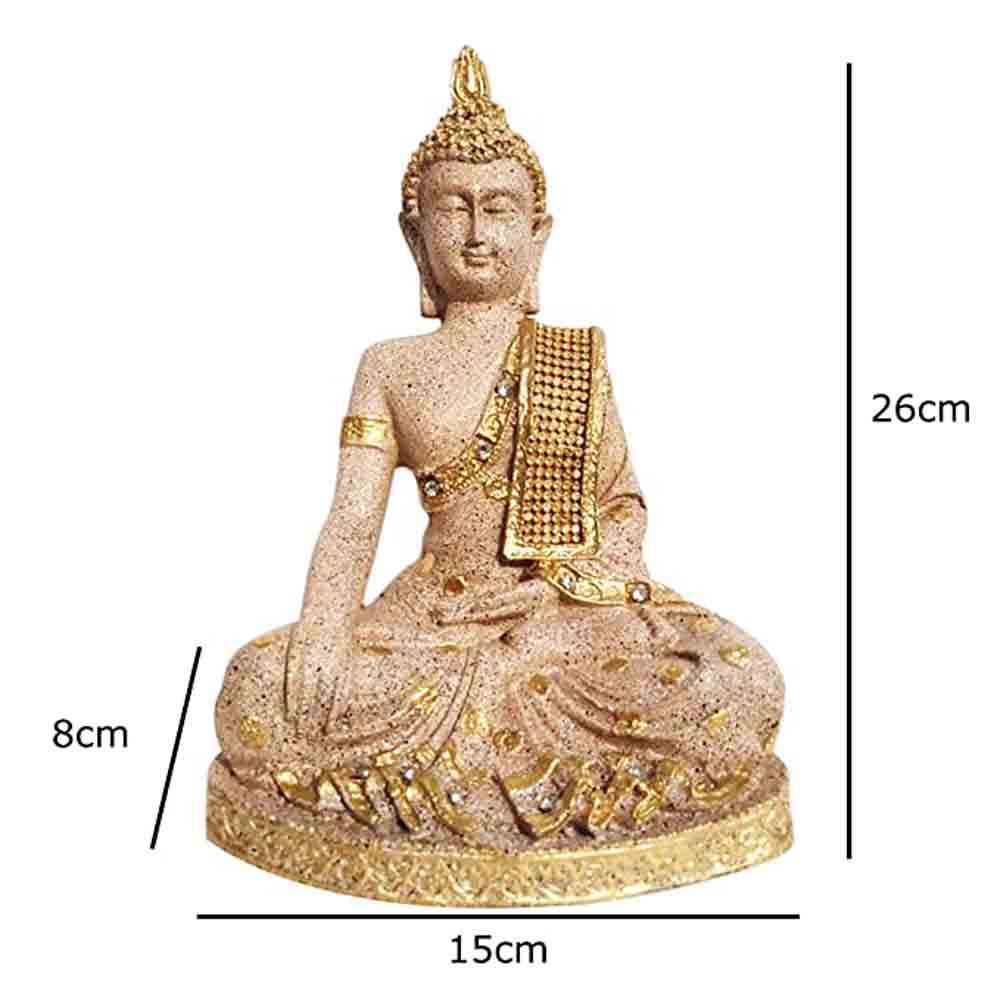
Your living room – that magical place where you pretend to read sophisticated books when guests come over – is an excellent location for Lord Buddha. According to Vastu, placing your Buddha in the north or northeast corner of your living room can create a wonderful energy flow. Another power position? A special shelf or table in the east. Just make sure your Buddha isn't competing for attention with your TV (we all know who would win that battle during Netflix marathons). And please, for the sake of all things peaceful, don't put Buddha on the floor – it's considered disrespectful, like wearing socks with sandals, but spiritually worse. Instead, place a Delicately Crafted Small Buddha Showpiece for Vastu Living Room Charm on an elevated corner that brings respect and focus to your tranquil space.

The bedroom debate – should Buddha be witnessing your drool-on-the-pillow moments? Vastu experts have thoughts! While some suggest keeping religious figures out of the bedroom entirely, others say a small Buddha in the east or northeast corner can promote peaceful sleep (and who doesn't want that after binge-watching scary movies until 2 AM?). If you do welcome Buddha into your bedroom, keep it small and elevated – a nightstand or dresser works perfectly. Just avoid placing it directly facing your bed, unless you enjoy feeling like someone is watching your spectacular bed-head every morning! Consider a Small Vastu-Friendly Buddha Statue for Bedroom Calmness in glazed finish to infuse your sanctuary with peace.
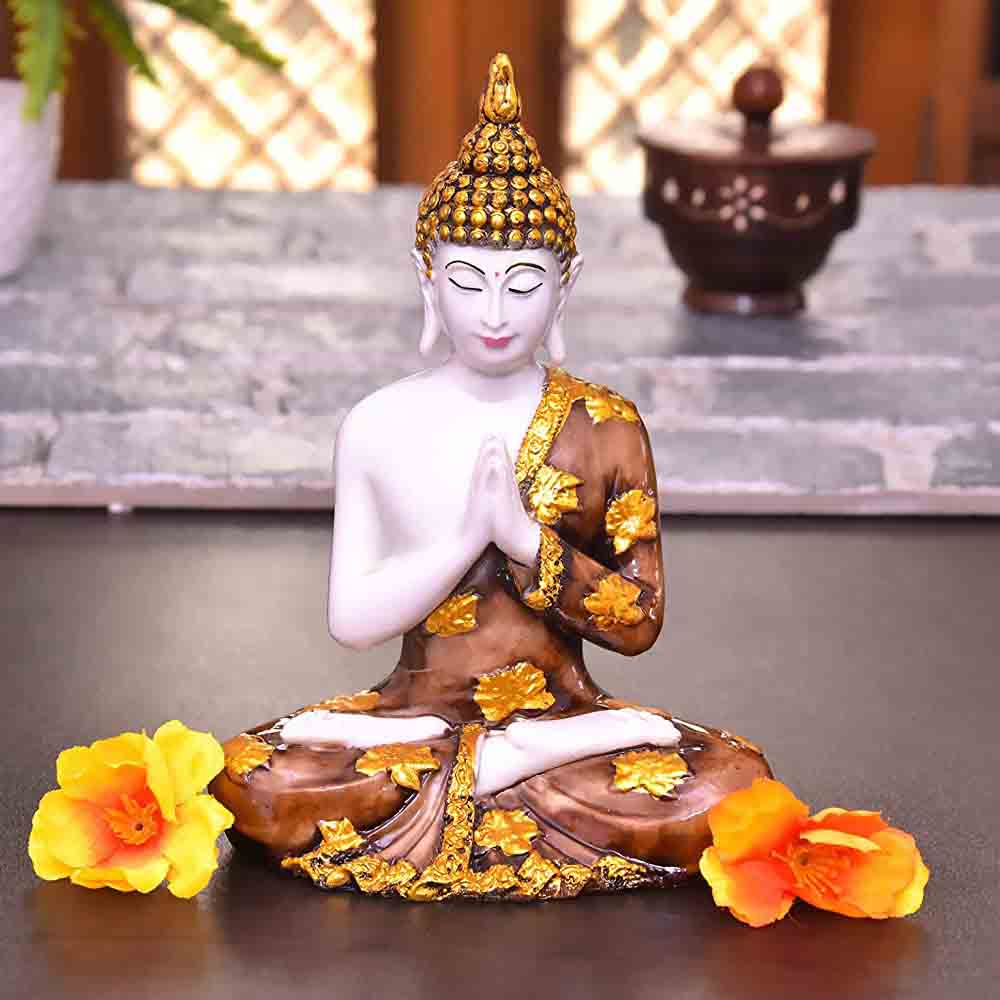
Your kitchen – that place where culinary dreams either soar or go up in smoke – isn't traditionally the best spot for Buddha according to Vastu principles. The cooking area's fiery energy and constant activity can clash with Buddha's serene vibes. It's like trying to meditate in the middle of a rock concert – theoretically possible but practically challenging! If you're absolutely determined to bring Buddha's zen to your cooking space, opt for a very small statue in the northeast corner, well away from the stove and sink. Maybe he'll inspire fewer burned dinners? No promises though! Go for a Mini Laughing Buddha Statue for Kitchen Corner Positivity to bring light-hearted joy without clashing with kitchen energy.
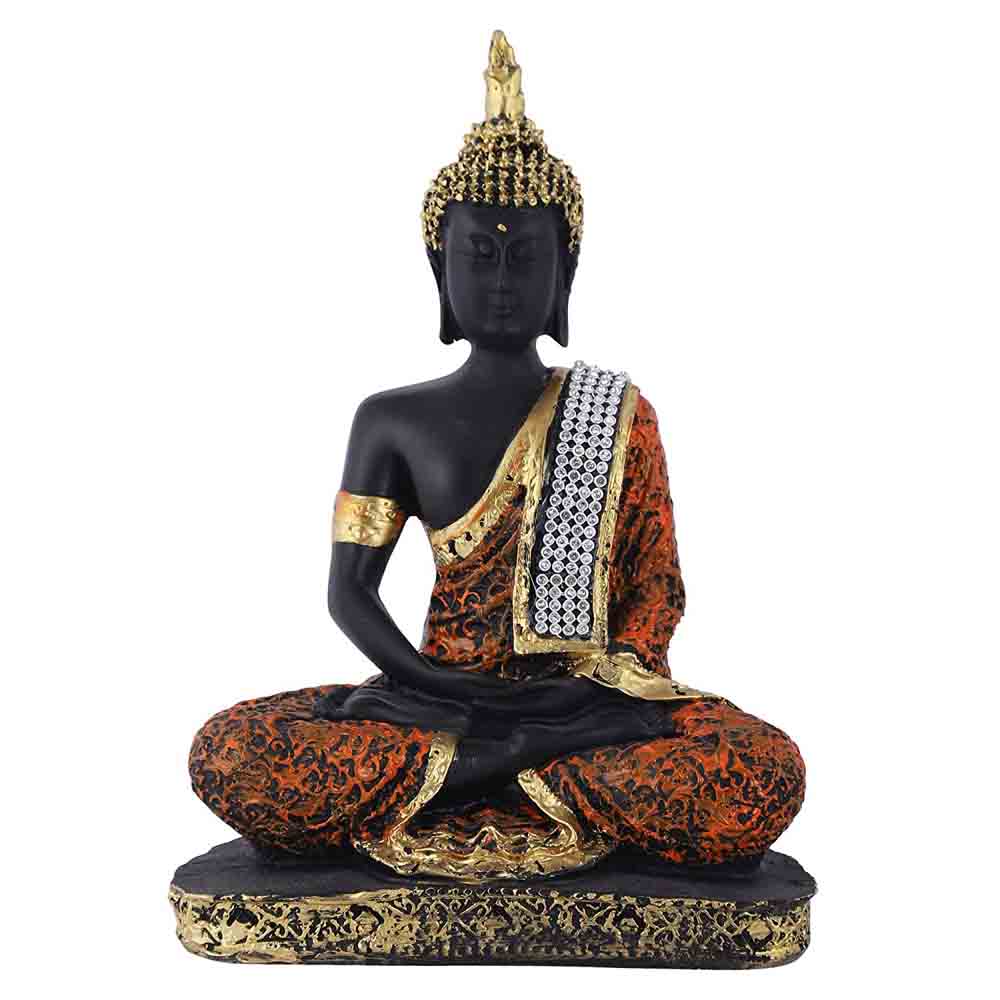
Want to take your Buddha relationship to the next level? Consider introducing Lord Siddhartha to your garden or balcony! Outdoor Buddha statues create a gorgeous meditation focal point and can transform even the most humble outdoor space into a mini-retreat. For optimal Vastu vibes, place your weather-resistant Buddha facing east or north, preferably under the gentle protection of a tree (or at least not where birds will inevitably use it as a target practice spot). Pro tip: elevate outdoor Buddhas on a platform or pedestal – it shows respect and keeps them from becoming one with the mud during rainy season! Try a Vastu Garden Resin Buddha Statue for Balcony Bliss for a zen escape in limited outdoor areas.
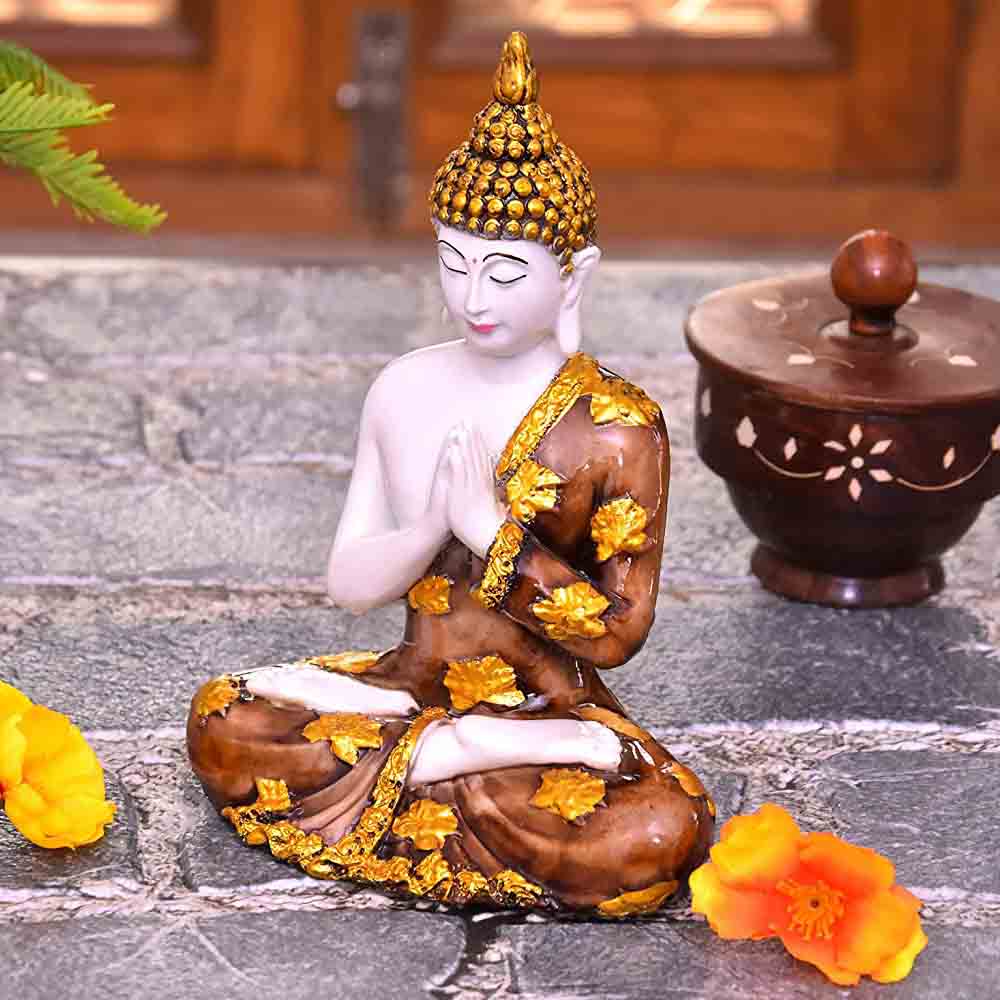
Choosing your Buddha's material is like picking the perfect ice cream flavor – they're all delicious but hit different notes! Stone Buddhas (especially marble or granite) represent stability and permanence – perfect if you're seeking grounding energy. Metal Buddhas, particularly brass or bronze, amplify energy and prosperity vibes (yes please!). Wooden Buddhas bring warmth and a natural connection. According to Vastu, metal Buddhas work wonderfully in north or northeast areas, stone Buddhas vibe well in southwest or west spaces, and wooden Buddhas feel right at home in the east or southeast. Choose a material that speaks to you – Buddha would approve of that mindfulness! Elevate your setup with a Ceramic Metal Fusion Buddha for Indoor Vastu Display that blends artistic elements with balance.
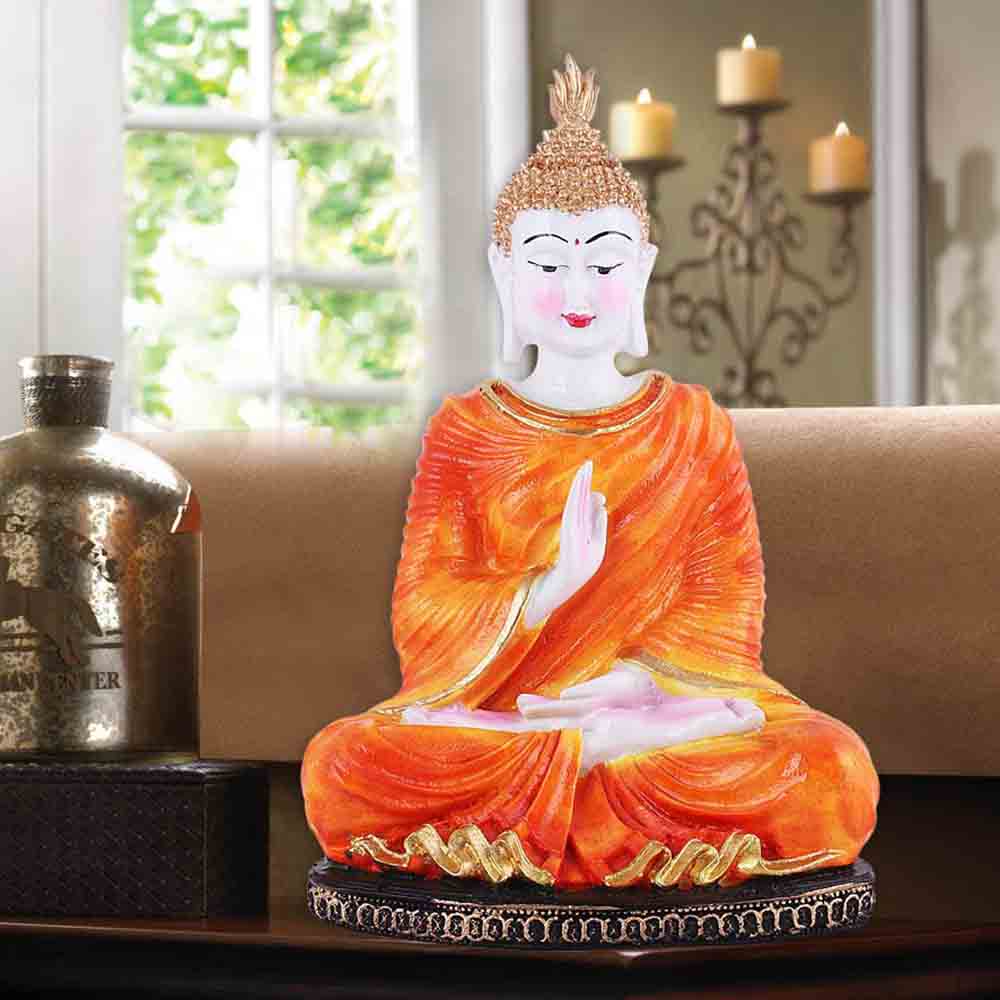
Not all Buddhas are created equal – some are having a much better time than others! The chubby, laughing Buddha (technically Budai, a Chinese monk) represents abundance, joy and good fortune. He's like that friend who always brings the good vibes to every party! The traditional meditating Buddha (Gautama Buddha) symbolizes peace, enlightenment and spiritual wisdom. Think of him as your serene mentor who never gets ruffled, even when you've binge-watched instead of meditating. For maximum Vastu benefits, laughing Buddhas rock in living rooms and entrances, while meditating Buddhas create perfect zen zones in study areas and meditation corners. Why not collect them all? (Your wallet might have opinions about that plan, though!) Discover a Laughing vs. Meditating Buddha Collection for Every Vastu Placement and choose what resonates with your vibe.
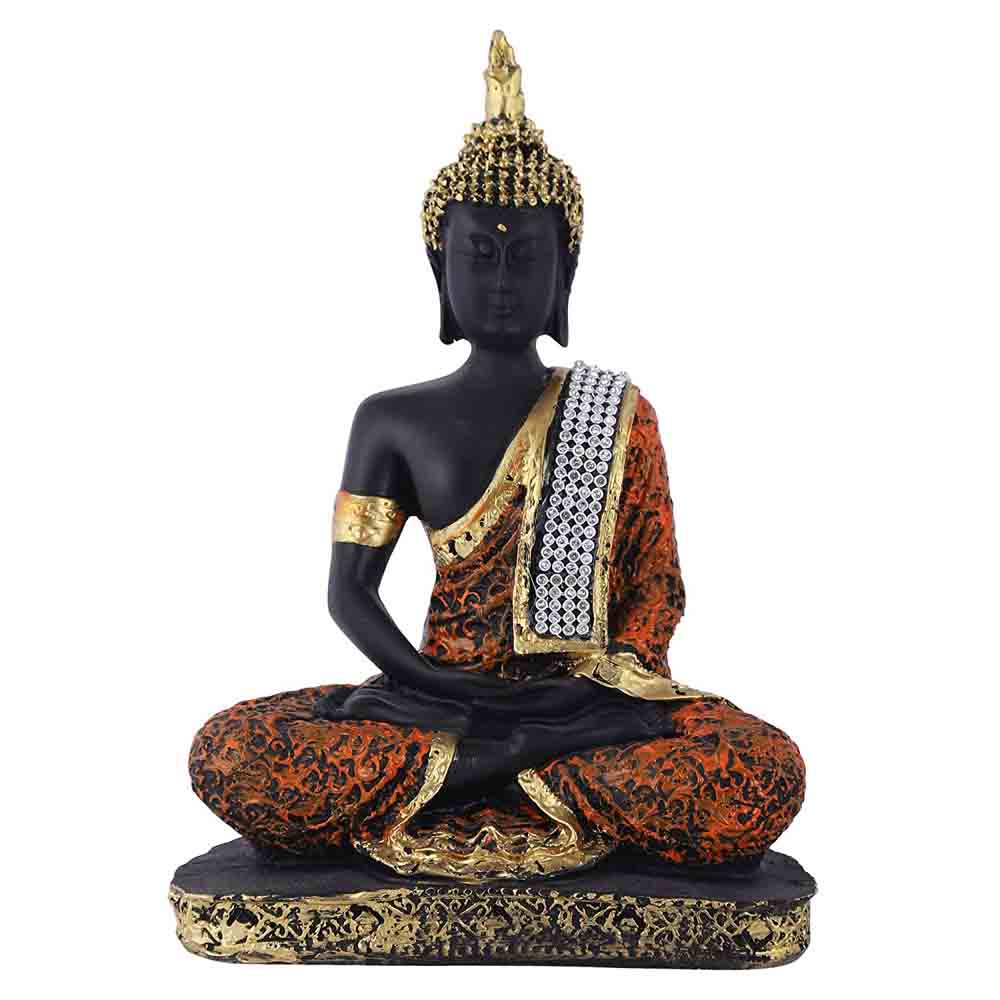
In Vastu and Buddhist traditions, height equals respect, much like how we put trophies on shelves instead of using them as doorstops! Your Buddha statue should always be elevated – think shelves, tables, or dedicated altars. The ideal height is at or slightly above eye level when seated, creating a natural eye connection without neck strain (because enlightenment shouldn't require chiropractic intervention). Avoid placing Buddha statues on the floor or in very low positions – it's considered disrespectful and can block the flow of positive energy. Think of it this way: Buddha spent enough time sitting on the ground during meditation – he deserves the VIP top-shelf treatment in your home! Consider featuring a Matte Buddha Decor Statue for Stylish Elevated Display to meet these respectful standards.

Your Buddha statue isn't just collecting dust – it's collecting energy! According to traditional beliefs, keeping your Buddha clean isn't just good housekeeping; it's good karma. Regularly dust your statue with a soft cloth (no harsh chemicals that might make even a zen master frown). Some traditions suggest occasionally washing the statue with light flowery water as a sign of respect. And here's a fun ritual: on full moon days, some believers place fresh flowers or light incense near their Buddha as an offering. Not required, but a lovely mindful practice that beats doomscrolling on your phone for the 47th time today! A Glossy Resin Meditating Buddha for Easy Zen Maintenance helps you keep up with cleanliness norms and serenity.
.jpg)
Even Buddha might lose his cool over these placement mistakes! Never place your Buddha statue in the bathroom (seriously, would you meditate there by choice?). Avoid positioning Buddha facing directly toward the front door, as this pushes positive energy right out of your home (talk about counterproductive!). Don't place Buddha statues in cluttered, dusty areas or directly on the floor – it's like making the embodiment of peace sit in the timeout corner! And perhaps the biggest no-no of all: using Buddha merely as decorative art without any respect for its spiritual significance. That's like using a wedding album as a coffee table coaster – technically possible but cosmically uncool! Respect placement rules with a Properly Positioned Buddha Sculpture for Vastu Safety that enhances peace while honoring tradition.
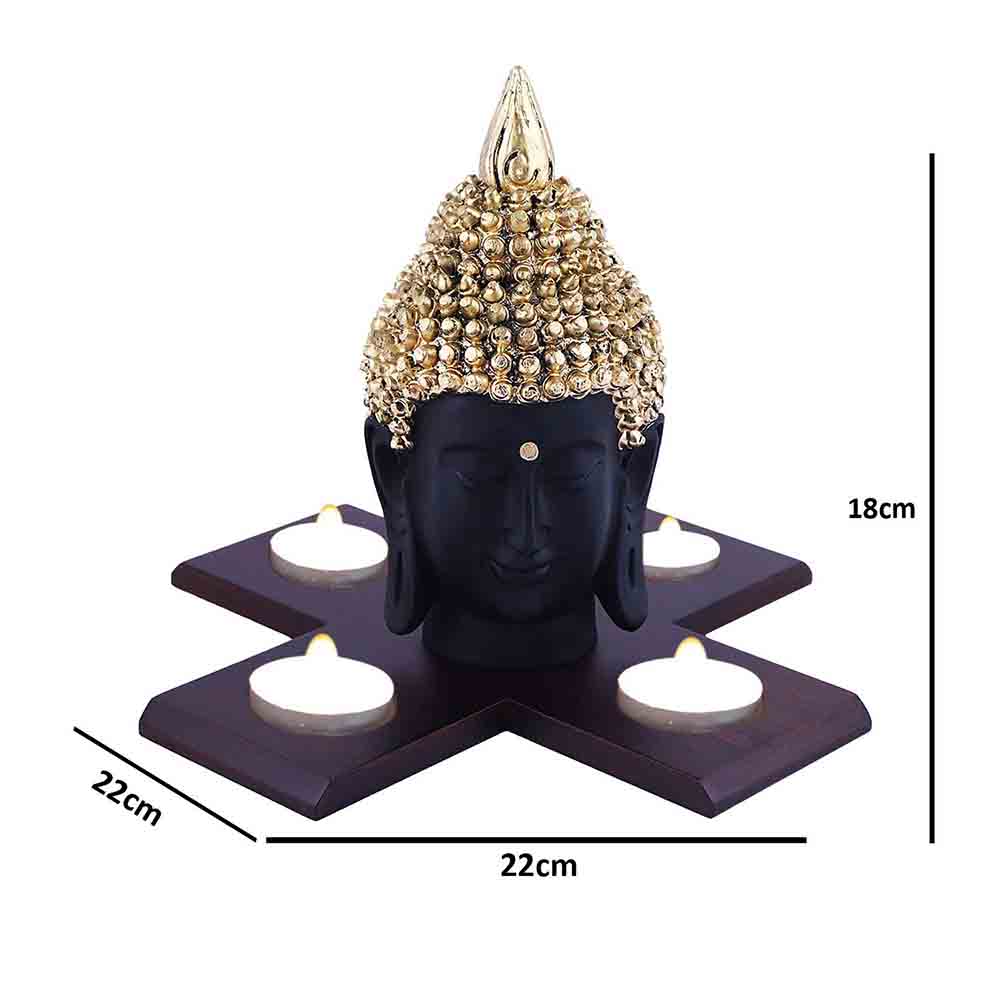
At the end of the day (or the beginning, or middle – Buddha's pretty flexible), finding the right place for your Buddha statue is about creating harmony in your home. The perfect Buddha placement should feel right to you – it should create a little pocket of peace that makes you pause and take a deep breath whenever you see it. Maybe it becomes your designated "chill out" spot after dealing with customer service calls, or where you sip your morning tea before the chaos of the day begins. Whatever you choose, remember that Buddha was all about the middle path – balance in all things. So don't stress too much about perfect placement – Buddha would probably be the first to tell you that overthinking isn't very zen!
Ideally, your Buddha statue should face east or north according to Vastu principles. East represents enlightenment and new beginnings, perfectly aligning with Buddha's teachings. North is associated with prosperity and positive energy. Avoid having Buddha face south or west, as these directions can create less harmonious energy in your space. Remember that the statue itself should be positioned so that when you look at Buddha, you're facing east or north!
The best places for Buddha statues are the northeast or eastern areas of your home, particularly in living rooms, study areas, or meditation corners. Elevate the statue on a shelf, table, or dedicated altar at or slightly above eye level when seated. Avoid placing Buddha in bathrooms, directly on the floor, in the bedroom facing your bed, or in extremely cluttered areas. A clean, peaceful corner where the statue can be the focal point works beautifully!
For home use, choose a Buddha statue that resonates with your intentions. A meditation Buddha (in padmasana pose) promotes peace and mindfulness, perfect for study areas or meditation corners. The laughing Buddha (Budai) brings joy and abundance, making it ideal for living rooms or entrances. The teaching Buddha (with hand raised) works well in home offices or libraries. For general well-being, the medicine Buddha is an excellent choice. Select one made of brass or stone for durability and stronger Vastu benefits.
The laughing Buddha (Hotei or Budai) is considered particularly lucky for home placement! With his big belly, smiling face, and often carrying a sack of treasures, this figure represents abundance, contentment, and good fortune. For maximum luck, place a laughing Buddha in your home's wealth corner (southeast according to Vastu) or near the entrance, facing inward to welcome prosperity. Many believe rubbing his belly brings extra good luck – a small daily ritual that might just put a smile on your face too!


