IMG-LOGO

Cart

Buddha-Monks

₹ 445 Unit
(4.7)  

₹ 375

₹ 484 Unit

₹ 448 Unit

₹ 485 Unit

₹ 486 Unit

₹ 375 Set

₹ 375 Set

₹ 295 Set

₹ 699 Set

₹ 864 Set

₹ 459 Unit
(5)  

₹ 640 Set

₹ 699 Set

₹ 375 Set

₹ 375 Set
(5)  

₹ 349

₹ 808 Set

₹ 672 Set

₹ 720 Set

₹ 740 Set

"Discover the Beauty of Buddha Monks Showpieces"

Buddha monk showpieces, with their serene expressions and intricate details, hold a special place in the hearts of many art enthusiasts and spiritual seekers. But have you ever wondered what makes these beautiful statues so captivating, and how they can transform your living space or act as a meaningful gift for a loved one? In this insightful exploration, we delve into the symbolism, significance, and the story behind these exquisite pieces of art, revealing how they can bring a touch of grace and tranquility to your home.

Embark on a fascinating journey as we uncover the essence of Buddha monks, their path to enlightenment, and the importance of preserving their rich tradition. We’ll also discuss the various forms of Laughing Buddha as an essential addition to your home and delve into the diverse monastic practices across the globe. Get ready to immerse yourself in the enchanting world of Buddha monks showpieces and their profound impact on our lives.

Short Summary

  • Buddha monk statues embody the path to enlightenment and serve as role models for lay followers.

  • Shopping for Buddha monk statues supports monasteries, local artisans and preserves cultural heritage.

  • Disciplinary regulations in Buddhist monasticism are essential for cultivating a spiritual lifestyle of inner transformation.

The Essence of Buddha Monks

A monk meditating in a peaceful environment

Buddhist monks and nuns, as the living embodiment of the teachings of Gautama Buddha, hold a special place in the world of Buddhism. Their figures, adorning the walls and environs of numerous religious sites and palaces, represent some of the earliest surviving forms of Buddhist art. Buddha monk statues, in particular, symbolize the path to enlightenment and the safeguarding of Buddhist customs. These serene figures have inspired countless devotees and art connoisseurs alike, transcending mere decoration to become a powerful symbol of spiritual growth and transformation.

But the significance of Buddha monks goes beyond their artistic representation. These dedicated individuals, living simple and focused lives, have taken on the responsibility of preserving and transmitting the Buddhist doctrine to future generations. Through their commitment to study, meditation, and good moral character, they serve as guides and role models for lay followers on their journey towards enlightenment. In fact, the life of a Buddhist monk exemplifies the core values and teachings of Buddha.

By incorporating Buddha monk statues into our homes or gifting them to loved ones, we not only bring a touch of grace and tranquility, but also honor the timeless wisdom and spiritual legacy of these devoted practitioners.

The Path to Enlightenment

The path to enlightenment is a transformative journey that requires renunciation, meditation, and strict adherence to Buddhist teachings. Monastic life, with its focus on ethical conduct and simplicity, serves as an ideal environment for cultivating mental discipline and spiritual insight necessary to attain enlightenment. Monks and nuns follow a set of rules known as the Vinaya, which emphasizes celibacy and the cultivation of moral character, as well as respect for senior members of the monastic order.

It is important to note that monastic practices and interpretations of the path to enlightenment can vary across different lineages and geographic regions. For example, Tibetan monks typically consume meat due to the climatic conditions that render a plant-based diet largely impractical.

Regardless of these variations, the common thread that unites all Buddhist monks and nuns is their unwavering dedication to the pursuit of spiritual growth, inner peace, and the ultimate goal of enlightenment.

Preserving the Tradition

The preservation of Buddhist tradition is of paramount importance for upholding its cultural identity, architectural design, and ethical role. Monks and nuns play a pivotal role in sustaining and transmitting the Buddhist tradition to succeeding generations by imparting their knowledge and wisdom. Their commitment to the study of Buddhist doctrine, the practice of meditation, and the observance of the monastic code of conduct ensures the continued authenticity and genuineness of this rich spiritual heritage.

By supporting the monastic community and incorporating Buddha monk statues into our lives, we contribute to the preservation and promotion of this ancient tradition. When we bring home a Buddha monk statue or offer it as a gift, we not only enhance our own spiritual journey, but also help secure the future of Buddhism, ensuring that its timeless wisdom and profound teachings continue to inspire and guide countless individuals on their path to enlightenment.

Shopping Monk Statues for Home Decor and Gifts

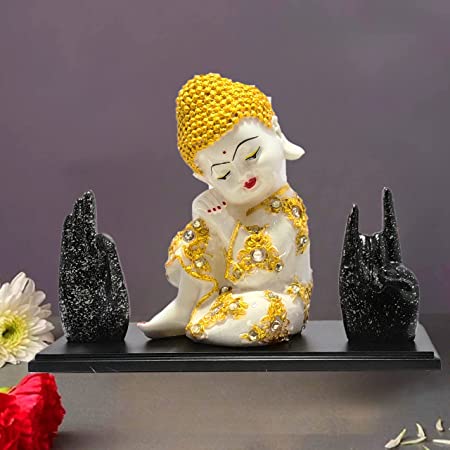
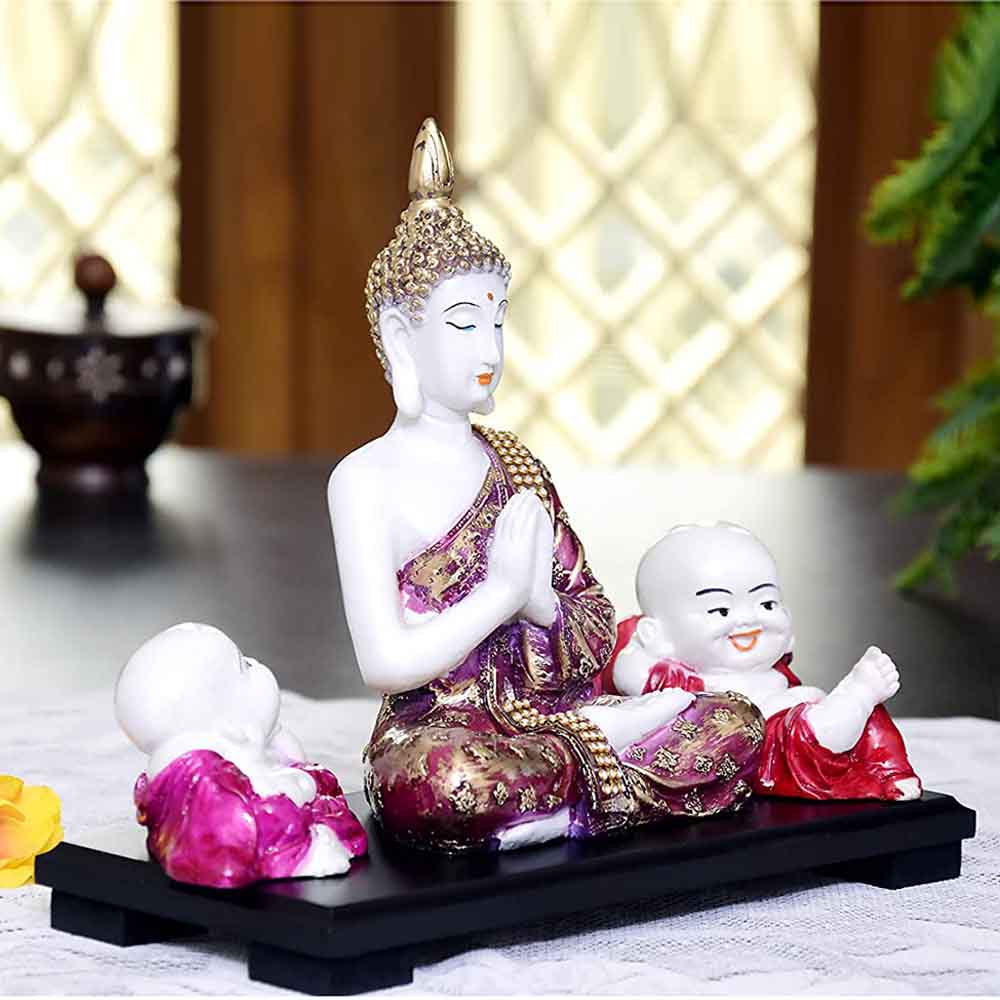
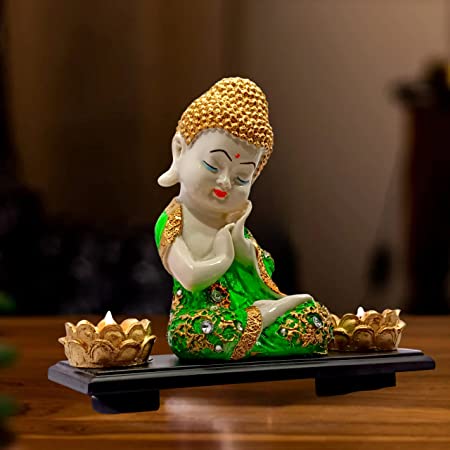
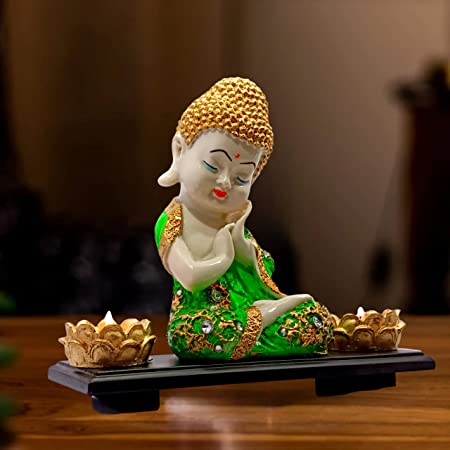
A serene image of Buddha Monks in meditation, perfect for home decor and gifting purposes.

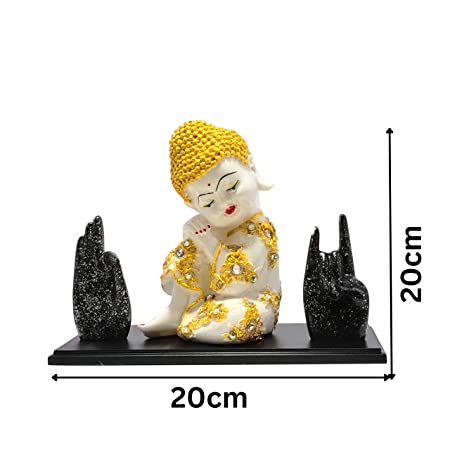
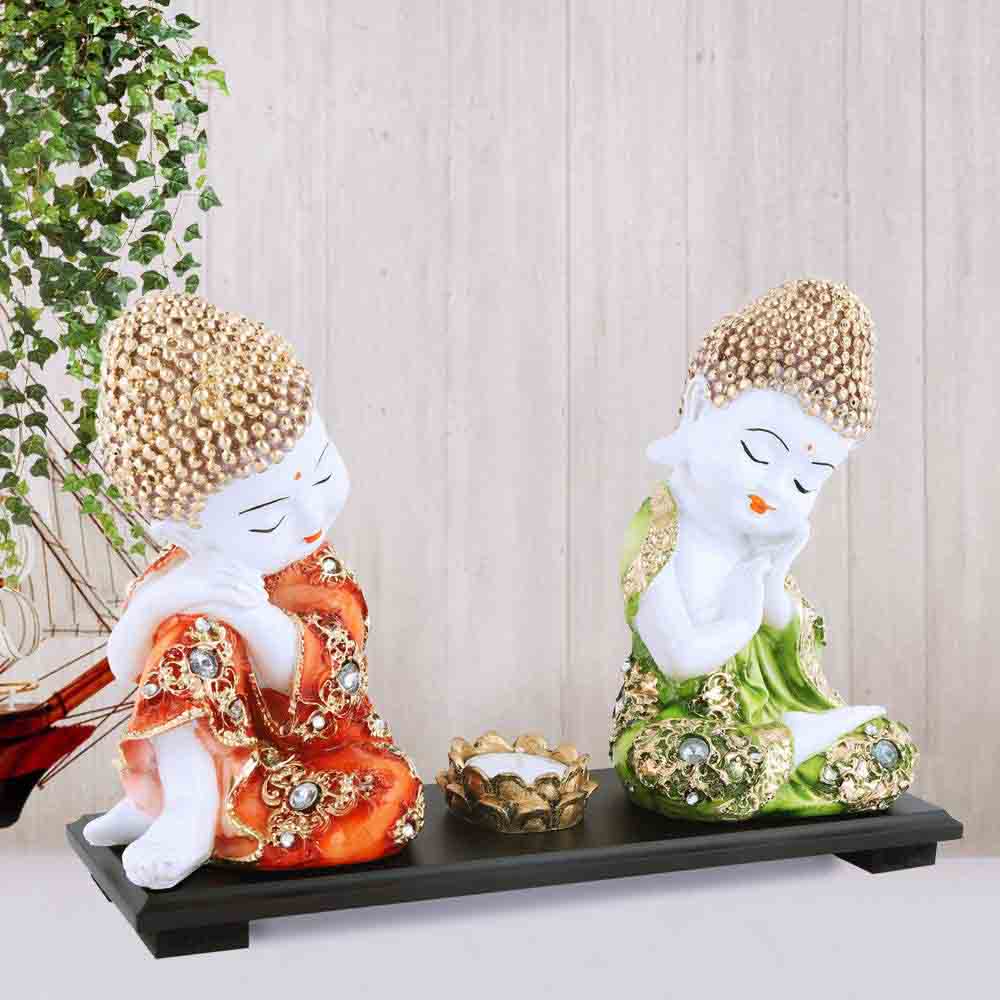
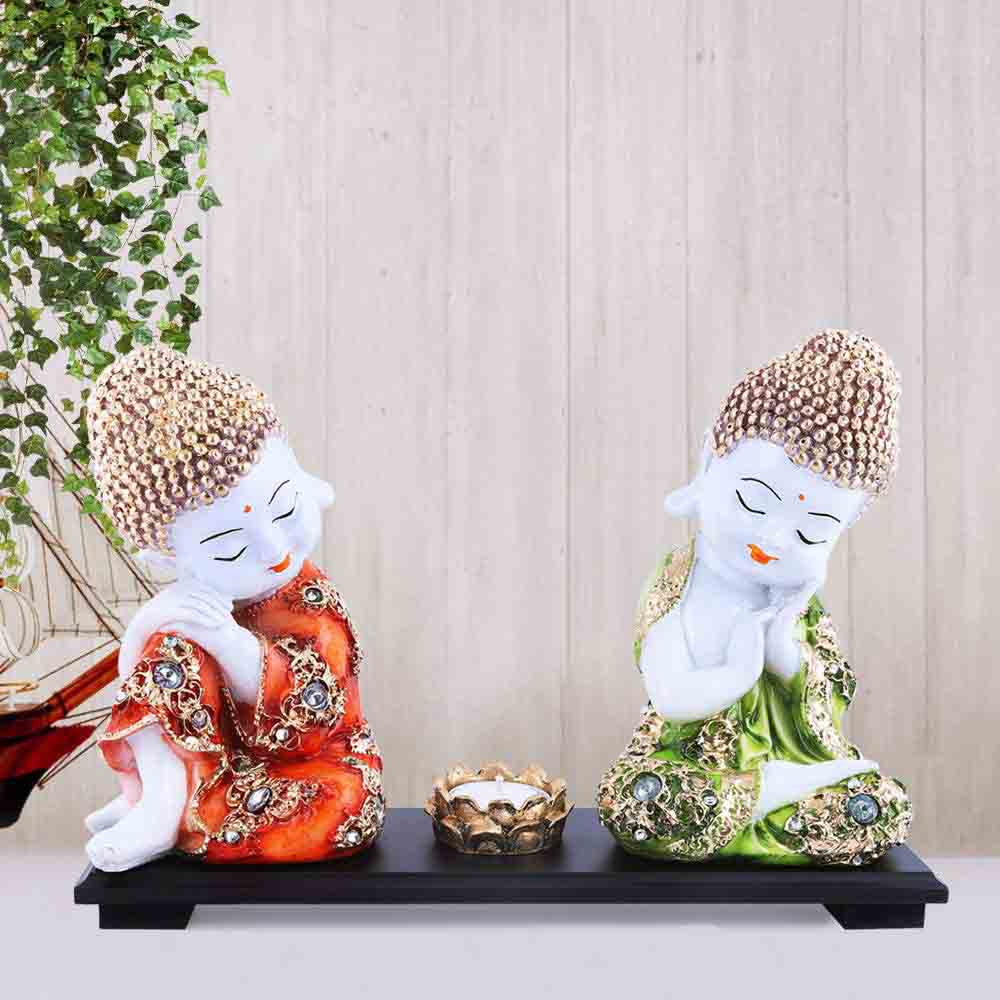
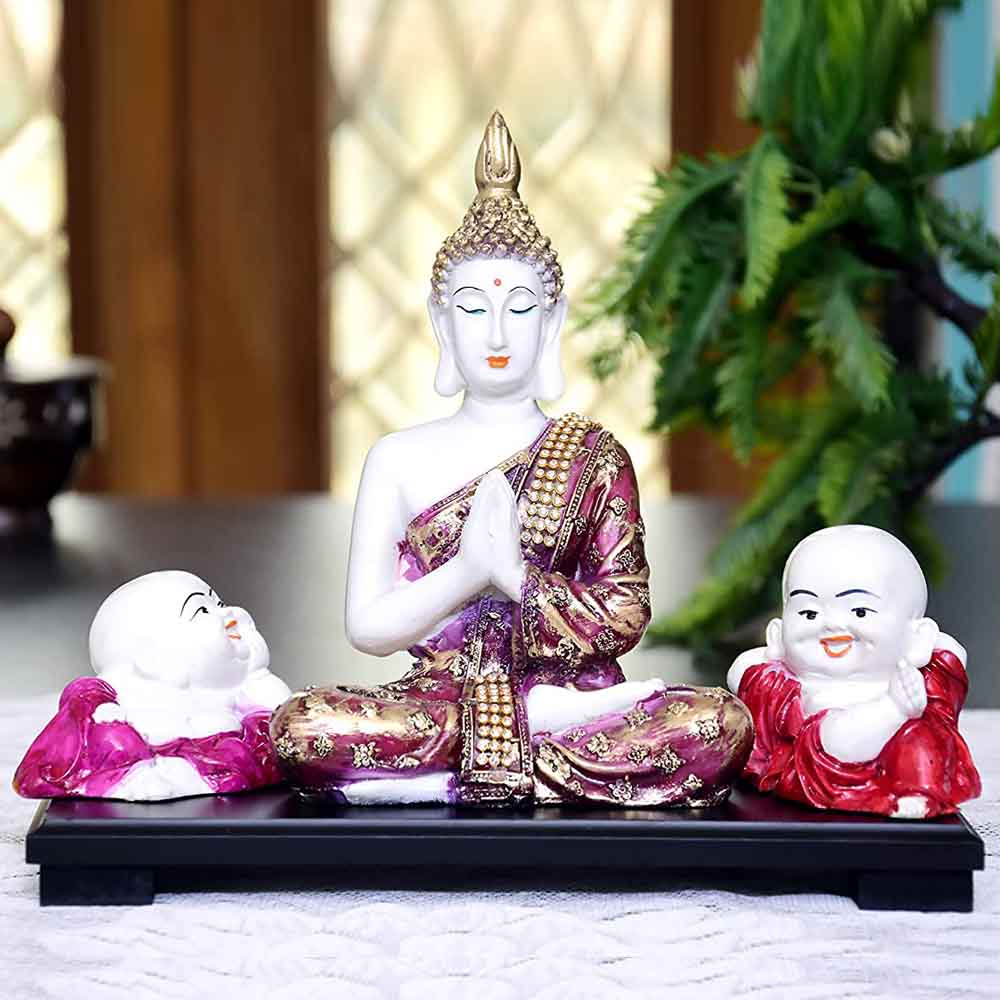
Buddha monk statues make unique and thoughtful gifts for various occasions, such as weddings and housewarmings, while also providing support to monasteries and local artisans. These exquisite pieces, sourced from countries like India and crafted with care and devotion, are more than just decorative showpieces – they are a tangible expression of our appreciation for the rich cultural and spiritual heritage of Buddhism. Moreover, as Vastu showpieces, Buddha monk statues can bring positive energy and balance to one’s home, creating a tranquil and harmonious atmosphere that nurtures spiritual growth and well-being.

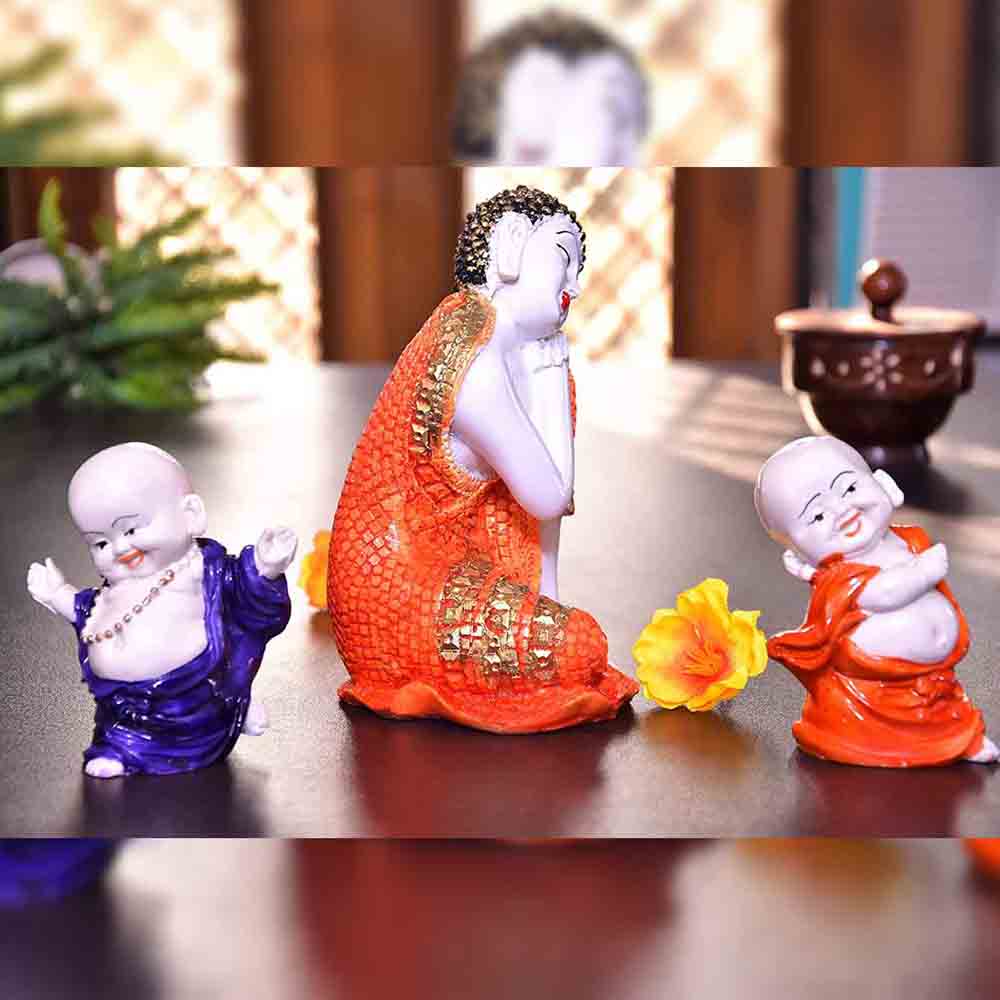
When choosing a Buddha monk statue for yourself or someone special, consider factors such as size, material, design, and symbolism. Whether you’re looking for a sitting Buddha, a meditating monk, or a playful group of monks, be sure to select a piece that resonates with your personal taste and spiritual aspirations.

And as you bring home a Buddha monk statue or present it as a gift, know that you are not only enriching your own life and environment, but also supporting the preservation of a sacred tradition and the livelihood of skilled artisans.

Wedding Gift Ideas

Wedding gifts featuring Buddha monks are not only unique and thoughtful, but also carry a deep symbolic significance, representing harmony, love, and spiritual growth for newlyweds. As the couple embarks on their new journey together, a beautiful Buddha monk statue serves as a reminder of the importance of maintaining balance, compassion, and mutual respect in their relationship. These statues also make for elegant decorative pieces that can be cherished for a lifetime.

To select the perfect wedding gift, consider the couple’s interests, needs, and personal beliefs. A Buddha monk statue can be an ideal choice for those who appreciate the beauty of art, the serenity of spirituality, or the wisdom of ancient traditions. This perfect gift, whether it’s a small tabletop piece or a more prominent sculpture, will be treasured for years to come, symbolizing the couple’s love and commitment as well as their shared journey towards spiritual growth and enlightenment.

Vastu Showpiece for Home Decor

Vastu, an ancient Indian science of architecture, is believed to bring success and contentment to inhabitants by promoting harmony with natural forces. Incorporating Buddha statues and Buddha monk statues into your home decor as Vastu showpieces can help create a tranquil and harmonious atmosphere while also attracting positive energy and prosperity. The serene presence of these statues can also assist in reducing stress and anxiety, fostering a sense of well-being and inner peace.

When selecting a Vastu showpiece for your home, consider factors such as size, color, and positioning. The design of the room and the type of energy you wish to generate should also be taken into account. By carefully choosing and placing a Buddha monk statue in your living space, you can enhance the overall ambiance and imbue your surroundings with the timeless wisdom and beauty of Buddhist tradition.

Supporting Monasteries and Local Artisans

Purchasing Buddha monk statues not only enhances our personal spaces and serves as meaningful gifts, but also supports monasteries and local artisans, providing them with a source of income and enabling them to maintain their craft and tradition. In doing so, we contribute to the preservation of the art and tradition of the monks, ensuring that their wisdom and teachings continue to inspire future generations. This is an invaluable contribution to the preservation of the cultural and spiritual heritage of Buddhism.

In addition to the spiritual and aesthetic benefits of owning a Buddha monk statue, supporting monasteries and local artisans has numerous advantages, such as safeguarding cultural customs, advancing education, creating more lucrative occupations, stimulating the local economy, and furnishing superior quality products. By consciously choosing to invest in these beautiful and meaningful works of art, we not only enrich our lives, but also play a part in the preservation and promotion of a rich spiritual heritage that has the power to transform lives and promote peace and harmony in our world.

The significance of Laughing Buddha as Feng Shui addition to your home

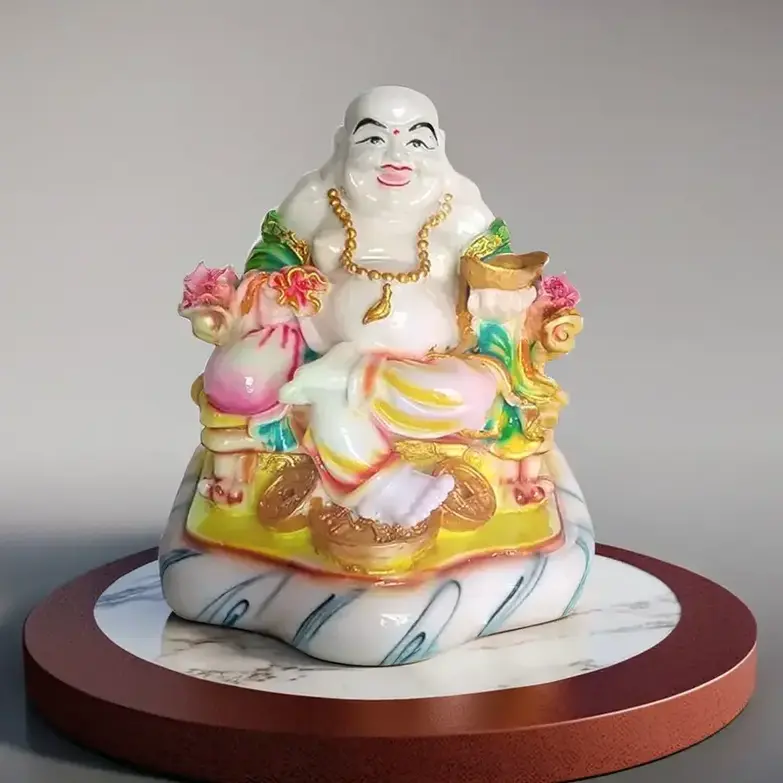
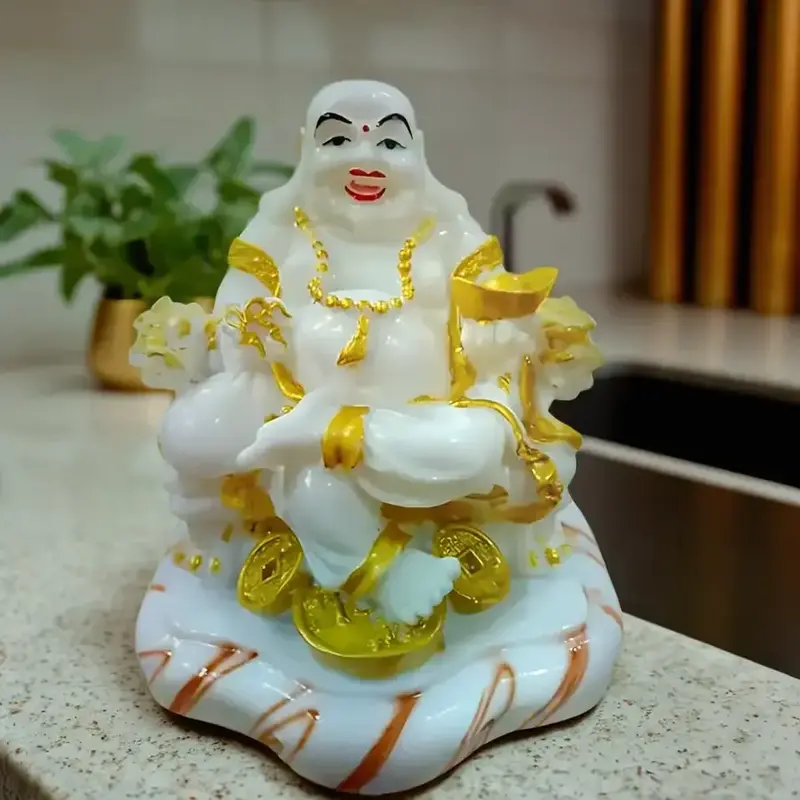
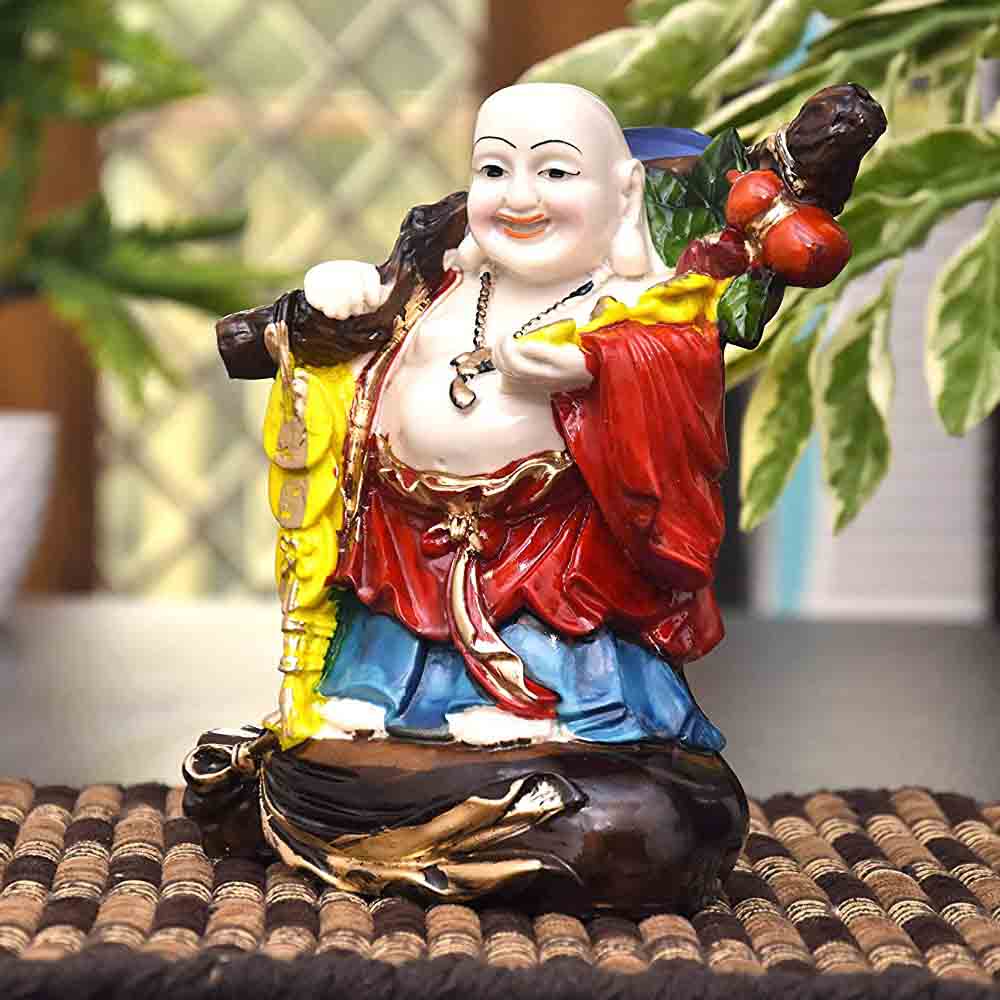
A laughing buddha statue with a big belly and a happy face

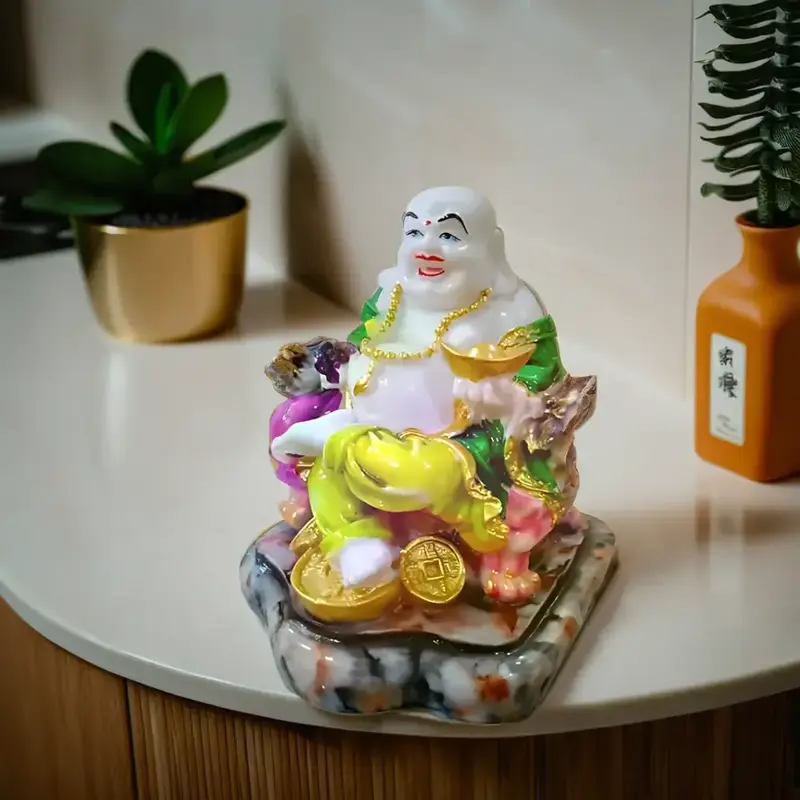
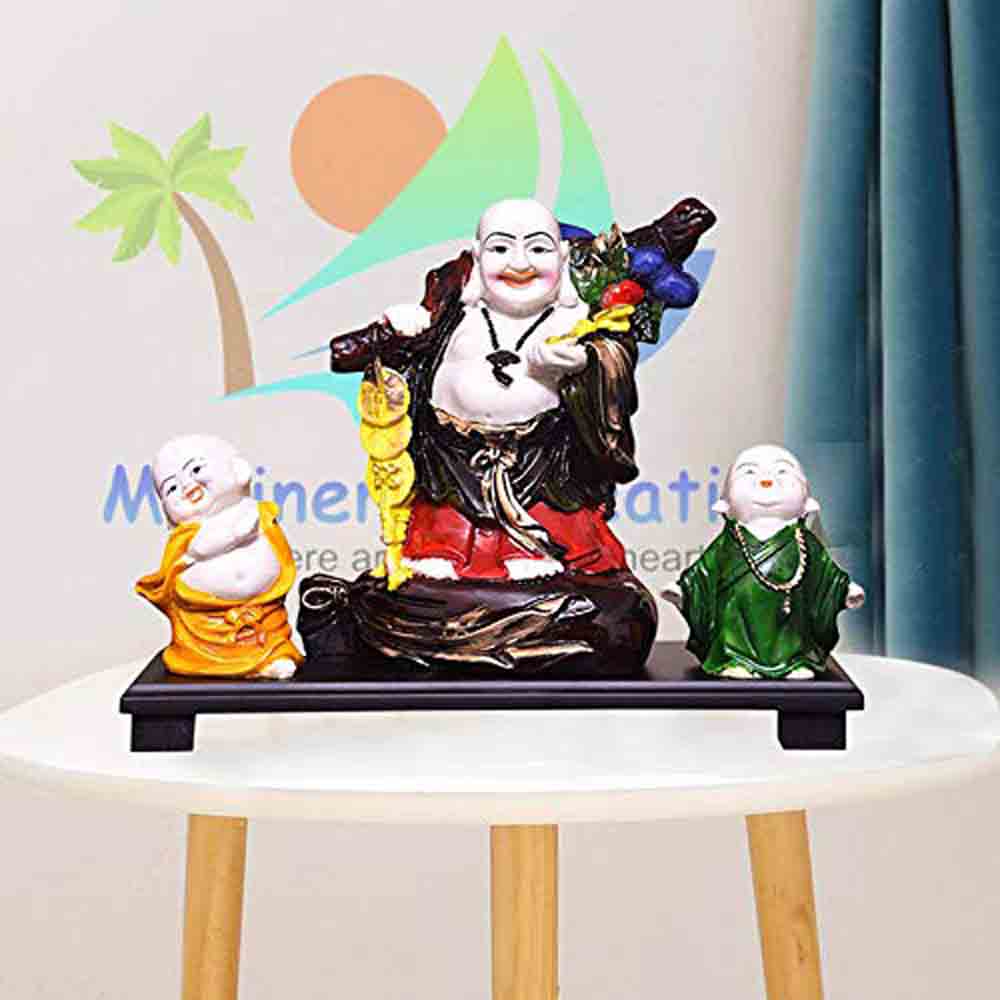
Laughing Buddha statue, with its jovial and welcoming expression, has become a popular Feng Shui addition to homes and workplaces, believed to bring happiness, wealth, and prosperity. Often depicted with a large belly and carrying a sack of treasures, the Laughing Buddha represents abundance, contentment, and well-being. In laughing buddha feng shui, the Laughing Buddha is frequently placed in strategic locations to attract positive energy, prosperity, and joy, making it an essential addition to any space that seeks to cultivate a harmonious and uplifting atmosphere.

In addition to its symbolic significance, the Laughing Buddha serves as a beautiful and unique decorative showpiece that can instantly elevate the aesthetic appeal of any room. With its radiant smile and benevolent presence, the Laughing Buddha invites us to embrace the joys of life and the boundless potential for happiness and abundance that lies within each of us.

Whether placed in your living room, office, or meditation space, the Laughing Buddha serves as a constant reminder of the power of positive energy and the importance of cultivating an attitude of gratitude and contentment in our daily lives.

Placement and Significance

Proper placement of Laughing Buddha statues is essential for maximizing their benefits and significance. In Feng Shui, the South-East direction is associated with wealth and abundance, making it an ideal location for placing a Laughing Buddha statue. Additionally, placing the statue facing the main door or entrance of your home or office is believed to welcome positive energy and prosperity into the space.

When selecting a Laughing Buddha statue, consider factors such as size, material, and design, as well as the energy you wish to attract into your space. Whether you’re looking for a small tabletop piece or a more prominent sculpture, be sure to choose a statue that resonates with your personal taste and spiritual aspirations.

By carefully selecting and positioning a Laughing Buddha statue in your home or workplace, you can harness the transformative power of Feng Shui and experience the profound impact that this ancient practice can have on your overall well-being and success.

Different Forms and Meanings

The Laughing Buddha is available in various forms, each carrying its own unique symbolism and meaning. Some common forms include statues, paintings, and figurines, all depicting the Laughing Buddha in various poses and expressions. These diverse forms allow individuals to choose a representation that best suits their needs and personal preferences, while also reflecting the particular energy they wish to invite into their lives.

For instance, a sitting posture of the Laughing Buddha signifies equilibrium of ideas and serenity, while a deep meditation pose typically signifies a state of equilibrium in the mind. A standing Buddha, on the other hand, represents wealth and happiness. By selecting a Laughing Buddha statue that embodies the qualities and energies you wish to cultivate in your life, you can create a powerful focal point for meditation and reflection, and invite the wisdom and blessings of this revered figure into your home and heart.

Shopping Laughing Buddha Statue

When shopping for a Laughing Buddha statue, it is essential to consider factors such as size, material, and design. With a wide range of options available, from bronze or ceramic to wood, it is important to choose a statue that resonates with your personal preferences and complements the overall aesthetic of your space. Additionally, consider the specific symbolism and energy associated with each form, as this will play a crucial role in determining the impact the statue will have on your environment and well-being.

As you embark on your quest for the perfect Laughing Buddha statue, take the time to explore various retailers, specialty stores, and Buddhist temples to find the piece that best reflects your personal style and spiritual aspirations. By carefully selecting and incorporating a Laughing Buddha statue into your home or workplace, you not only create a beautiful and harmonious space, but also invite the transformative power of this ancient practice into your life, opening the door to greater happiness, abundance, and spiritual growth.

Monastic Practices Across the Globe

A group of Tibetan monks in traditional robes

While the core principles of Buddhism remain consistent across different regions, the monastic practices adopted by monks and nuns vary considerably, reflecting the diverse cultural and geographical influences on the religion. These variations allow Buddhism to adapt to local customs and traditions, ensuring that the teachings remain relevant and accessible to individuals from all walks of life. By embracing the diversity of monastic practices, we gain a deeper appreciation for the richness and complexity of the Buddhist tradition, and the many ways in which it continues to inspire and guide individuals on their spiritual journey.

From the unique practices of Tibetan monks, who consume meat due to their region’s climate, to the East Asian monks who live separately from the lay population and engage in activities like farming or selling food, the monastic practices across the globe offer a fascinating insight into the adaptability and resilience of Buddhism. As we explore these diverse practices and the ways in which they reflect the cultural and environmental contexts in which they have evolved, we come to understand the true universality and timeless wisdom of this ancient spiritual path.

Tibetan Monks

Tibetan monks, known for their vibrant and distinctive culture, have adapted their monastic practices to suit the unique climate and traditions of their region. Unlike many other Buddhist traditions, Tibetan monks typically consume meat as an allowance for harsh climatic conditions that render a plant-based diet largely impractical. This practical adaptation highlights the flexibility and pragmatism of Buddhist teachings, which emphasize the importance of compassion, wisdom, and enlightenment over rigid adherence to specific rules or customs.

In addition to their dietary practices, Tibetan monks also exhibit unique monastic characteristics, such as the Nyingma school encompassing a combination of bhikus and non-celibate ngakpas. These variations, while seemingly divergent from traditional Buddhist norms, serve as a testament to the adaptability and resilience of the Buddhist tradition, demonstrating its ability to thrive and flourish in even the most challenging of environments.

East Asian Monks

East Asian monks, adhering to the monastic traditions of Dharmaguptaka, often live separately from the lay population, engaging in activities such as farming or selling food. This unique arrangement reflects the influence of Confucian views, which discourage begging and promote self-sufficiency, leading many monasteries to grow their own food and employ monks as cooks. By adapting their monastic practices to suit the cultural and social norms of their region, East Asian monks have successfully integrated themselves into local communities, ensuring that their teachings remain relevant and accessible to all.

The diversity of monastic practices in East Asia also extends to areas such as marriage and family life, with some sects allowing monks to marry and raise children. This unique approach to monasticism highlights the flexibility and adaptability of Buddhist teachings, which emphasize the importance of compassion, wisdom, and enlightenment over rigid adherence to specific rules or customs.

Southeast Asian Monks

In Southeast Asia, the tradition of temporary ordination offers young men the opportunity to immerse themselves in monastic life for a short period, often one or two weeks, in order to accumulate merit for their loved ones and gain insight into Buddhist teachings. This practice, observed during the Vassa retreat, is highly regarded by local Buddhists as a period of increased spiritual commitment and an opportunity for personal growth and transformation.

The tradition of temporary ordination highlights the accessibility and inclusivity of Buddhist teachings, which encourage individuals to engage with the path to enlightenment in a manner that suits their personal circumstances and aspirations. By offering young men the opportunity to experience monastic life firsthand, temporary ordination serves as a powerful reminder of the transformative potential of Buddhism and its capacity to inspire individuals from all walks of life to embark on their own spiritual journey.

Disciplinary Regulations and Their Significance

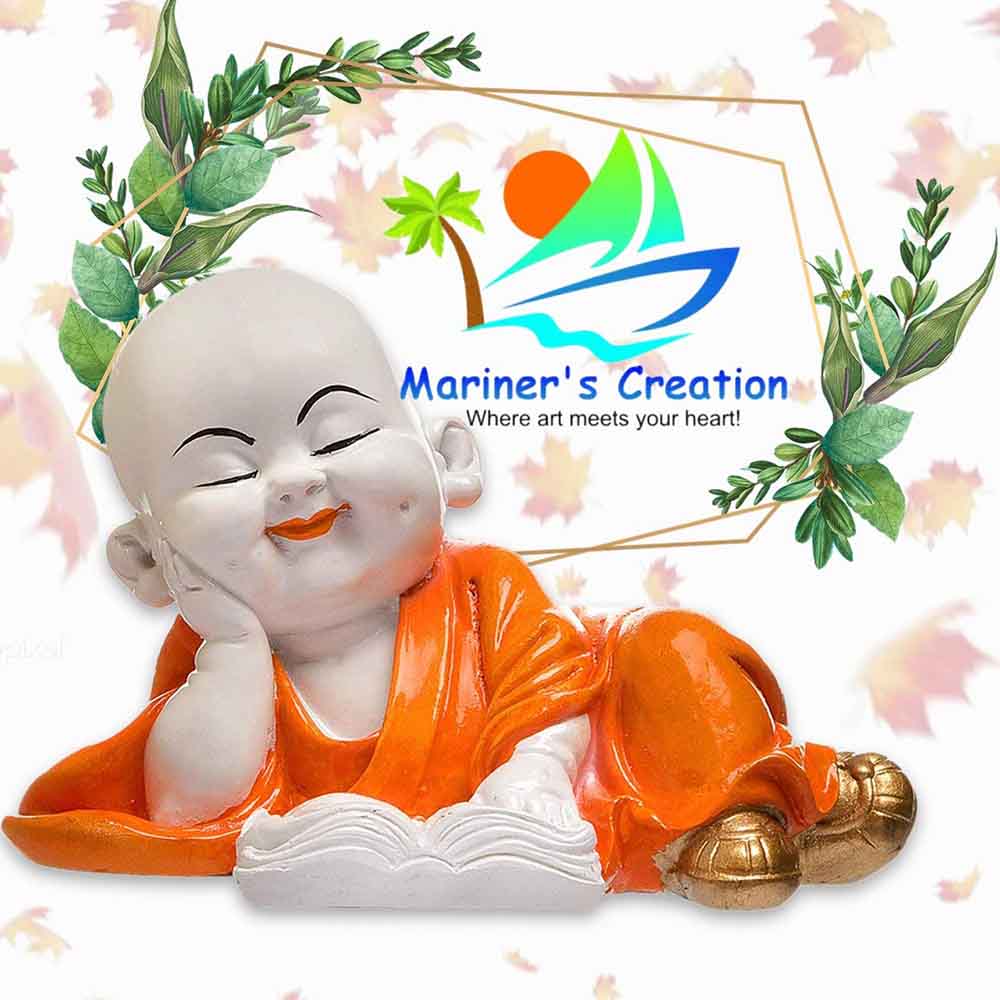
A monk in traditional robes with a book in his hands

Disciplinary regulations in Buddhist monasticism play a crucial role in shaping the character and conduct of monks and nuns, emphasizing moral character, respect for senior members, and adherence to the teachings. While these regulations may vary across different traditions and regions, their primary aim remains consistent: to cultivate a simple and focused lifestyle that fosters spiritual growth and inner transformation.

Celibacy, for example, is of primary importance in the monastic code of conduct, distinguishing the lifestyle of a monastic from that of a householder. By adhering to these disciplinary regulations, monks and nuns demonstrate their commitment to the path of enlightenment and their dedication to the pursuit of spiritual growth, inner peace, and the ultimate goal of enlightenment.

As we explore the diverse monastic practices across the globe, we come to appreciate the profound impact that these disciplinary regulations have on the lives of those who choose to follow the Buddhist path.

Summary

Throughout this exploration, we have delved into the fascinating world of Buddha monks showpieces and their profound impact on our lives. From the symbolism and meaning behind these exquisite statues to the diverse monastic practices across the globe, we have gained a deeper appreciation for the richness and complexity of the Buddhist tradition and the timeless wisdom it offers.

As we incorporate Buddha monk statues into our homes or present them as thoughtful gifts, we not only enrich our personal spaces and foster spiritual growth, but also support the preservation of this ancient tradition and the livelihood of skilled artisans. May the serene presence of these beautiful statues serve as a constant reminder of the transformative power of the Buddhist path and inspire us to embrace the boundless potential for happiness and abundance that lies within each of us.

Frequently Asked Questions

What is the name of Buddha monk?

The name of the Buddhist monk is bhikkhu, which is a term derived from the Pali and Sanskrit languages used in Buddhism. Male monastics are referred to as bhikkhus, while female monastics are called bhikkhunis. Together, they form the Buddhist community known as Sangha.

Who is the famous Buddhist monk?

Thich Nhat Hanh is a renowned Buddhist monk who has been teaching mindfulness and meditation practices for more than five decades. He is known for his influential 1965 book, “Vietnam: Lotus in a Sea of Fire,” which introduced the idea of engaged Buddhism.

Additionally, he was the founder of the monastic order called the Plum Village Community of Engaged Buddhism.

Does Buddhism have a monk?

Yes, Buddhism does have monks. Monks and nuns are an integral part of the Buddhist tradition and are members of the Sangha (Buddhist community). They follow the Dharma (teaching) of the Buddha and maintain discipline through their vows and dedication to their practice.

What is the meaning of 4 monk statue?

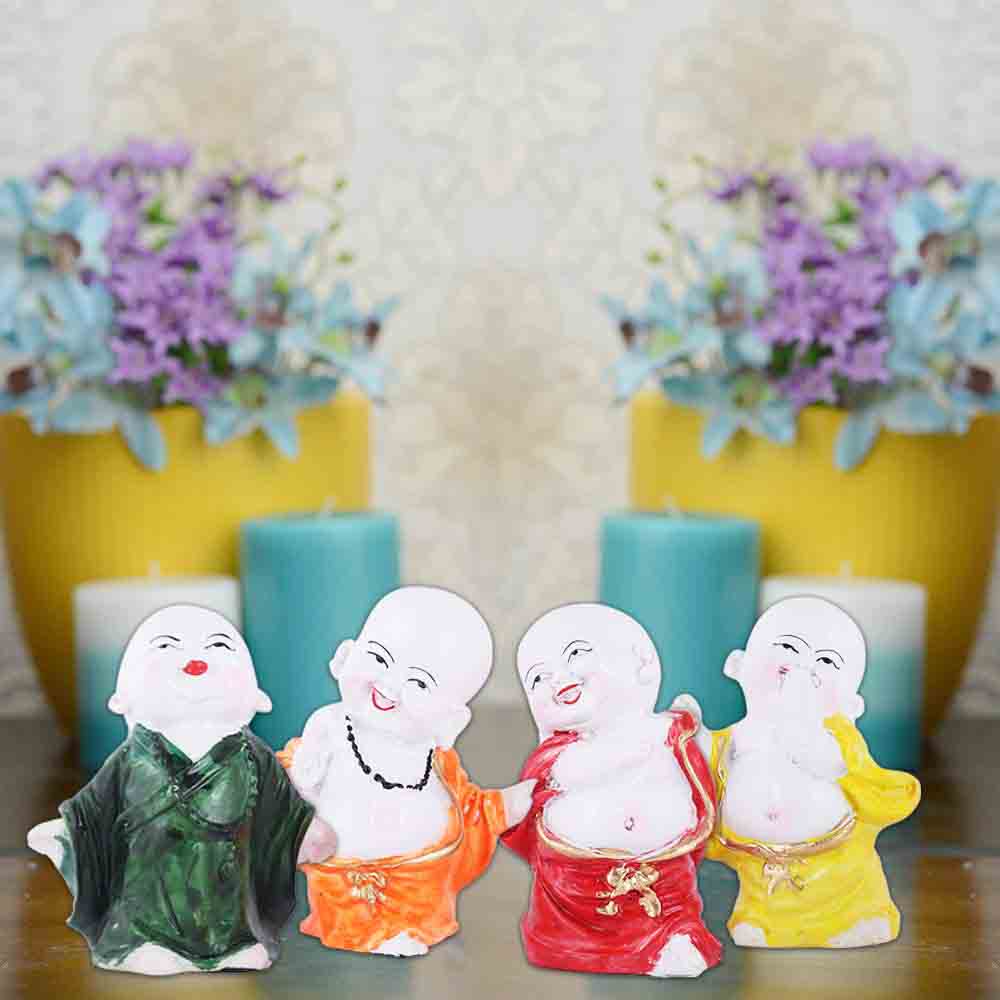
The four monk statues provide a meaningful reminder to individuals, as their different meanings represent important lessons about life. See no evil, hear no evil, speak no evil and do no evil serve as a constant reminder of good behavior and actions.

These adorable monk figures can also be used to decorate any space in your home or car, adding an element of character and charm.

What do Buddha monk statues symbolize?

Buddha monk statues are symbols of peace and serenity, embodying the teachings of Buddhism and serving as reminders to practice mindfulness.

These statues are often found in homes, gardens, and temples, and can be used as a source of inspiration and contemplation. They can also be used as a reminder to take a moment to pause and reflect on the present moment.


Item added to cart

Quick View