
.jpg)
.jpg)
.jpg)
.jpg)
Buddha-tastic Multi-Frame Wall Art to Zen-Light Your Space
You may also like

Moolwan 4-Panel Buddha Vinyl Wall Art on MDF (85x55cm) – Golden Portrait Against Warm Sunset Sky
You keep opening the product page, trying to mentally place this on your living room wall. But it's impossible to know for sure, isn't it? 85cm looks reasonable in the photos, but your wall has that AC vent on one side, the window on the other, and the sofa doesn't quite center with either. You need to know this works in your specific space—not just in styled mockups where everything magically aligns.
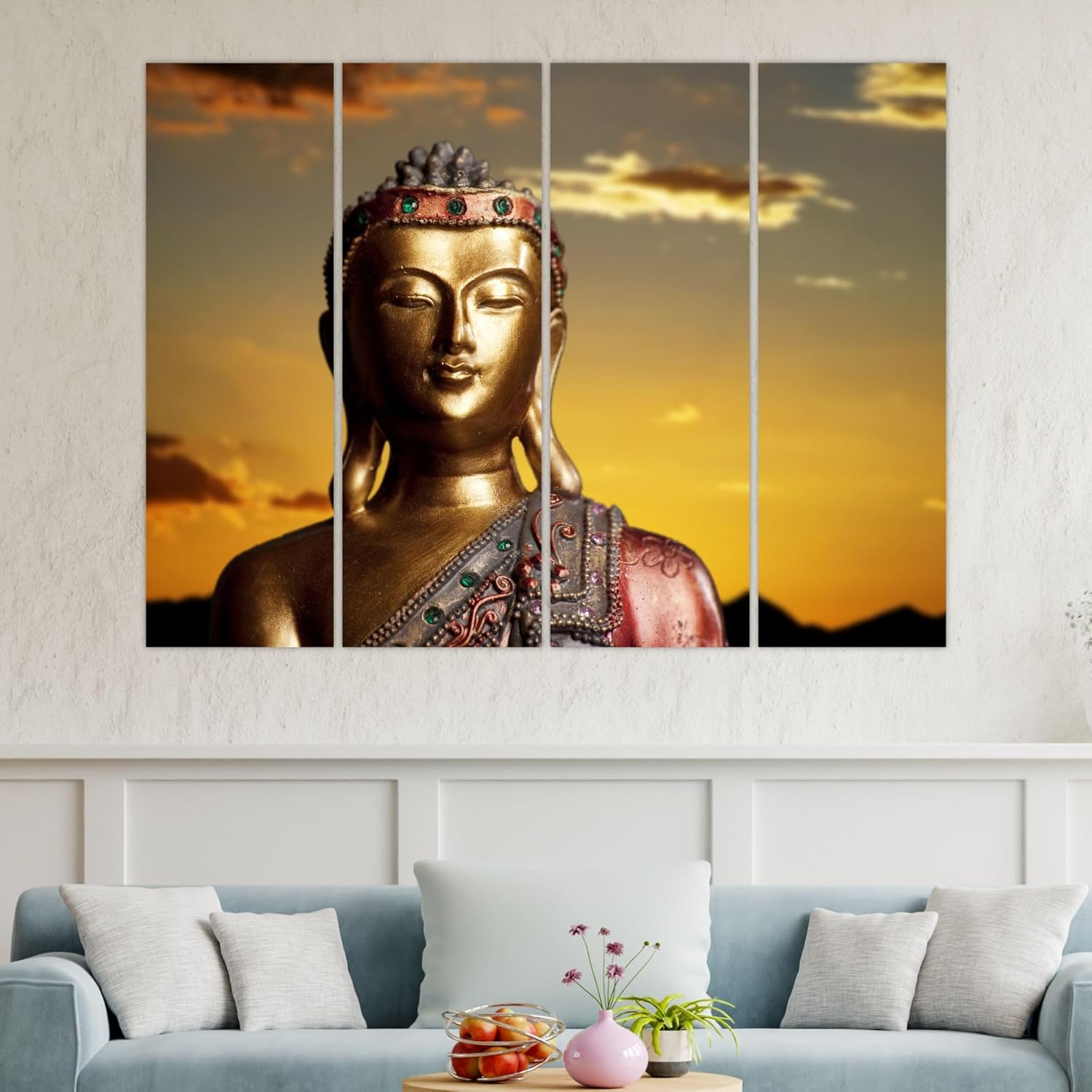
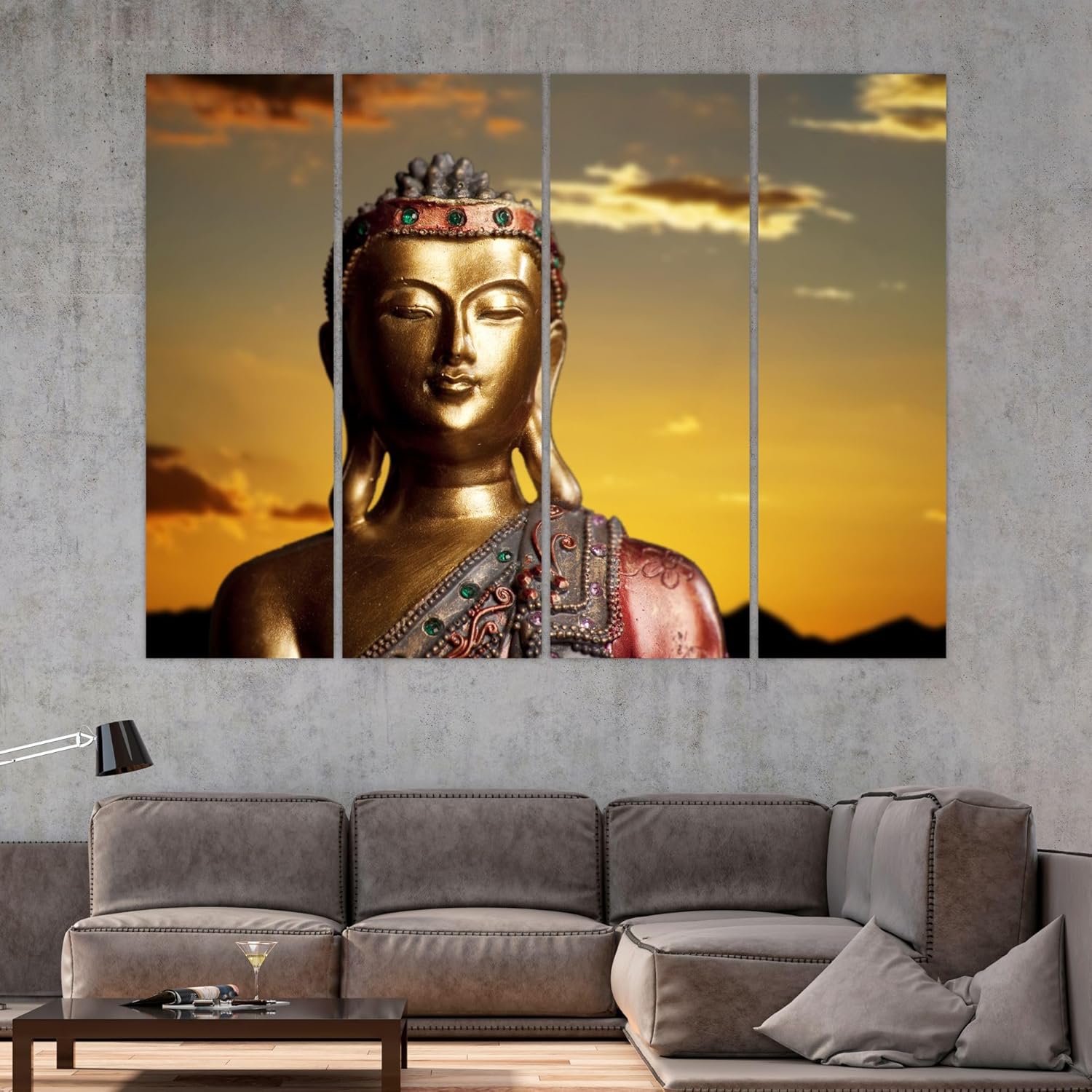
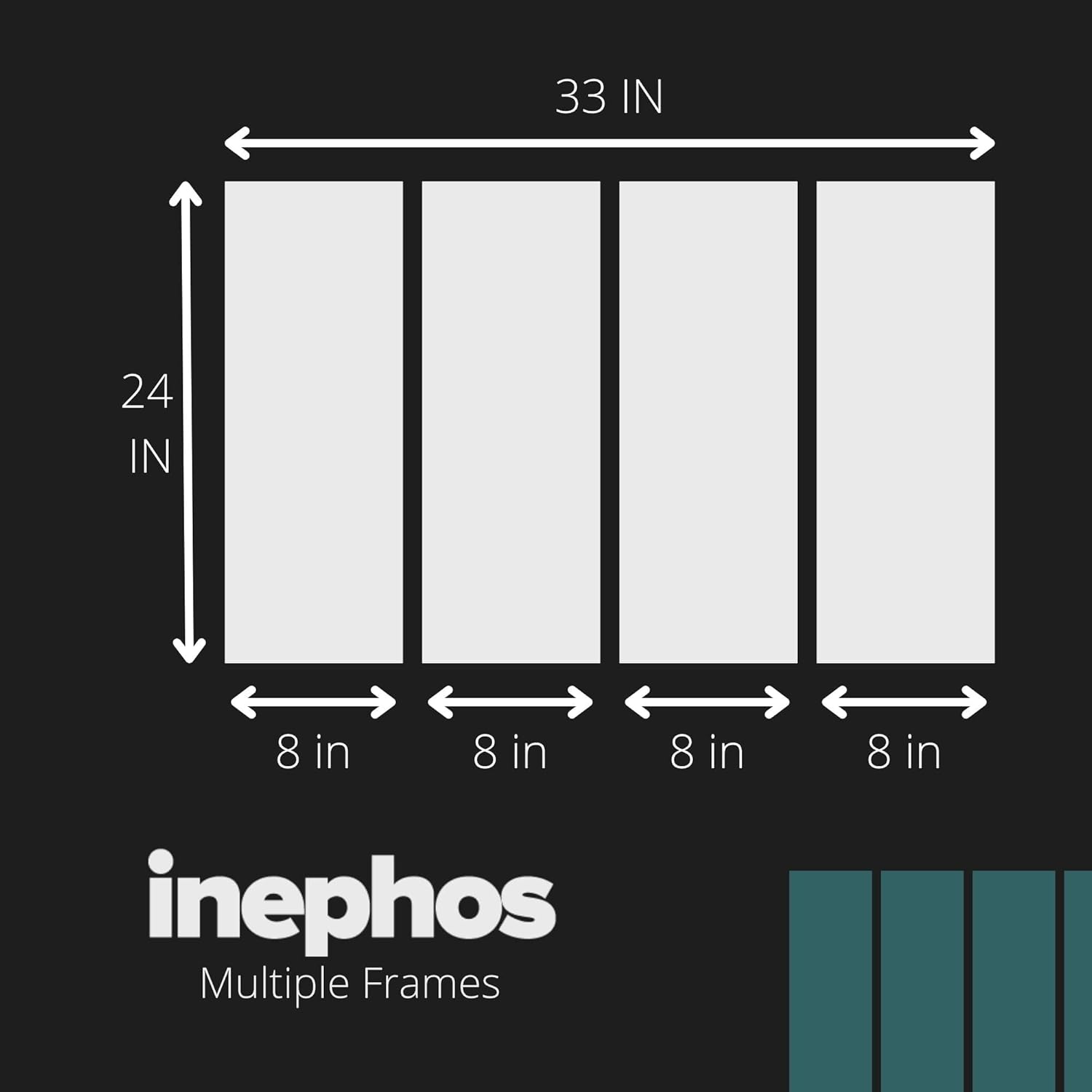
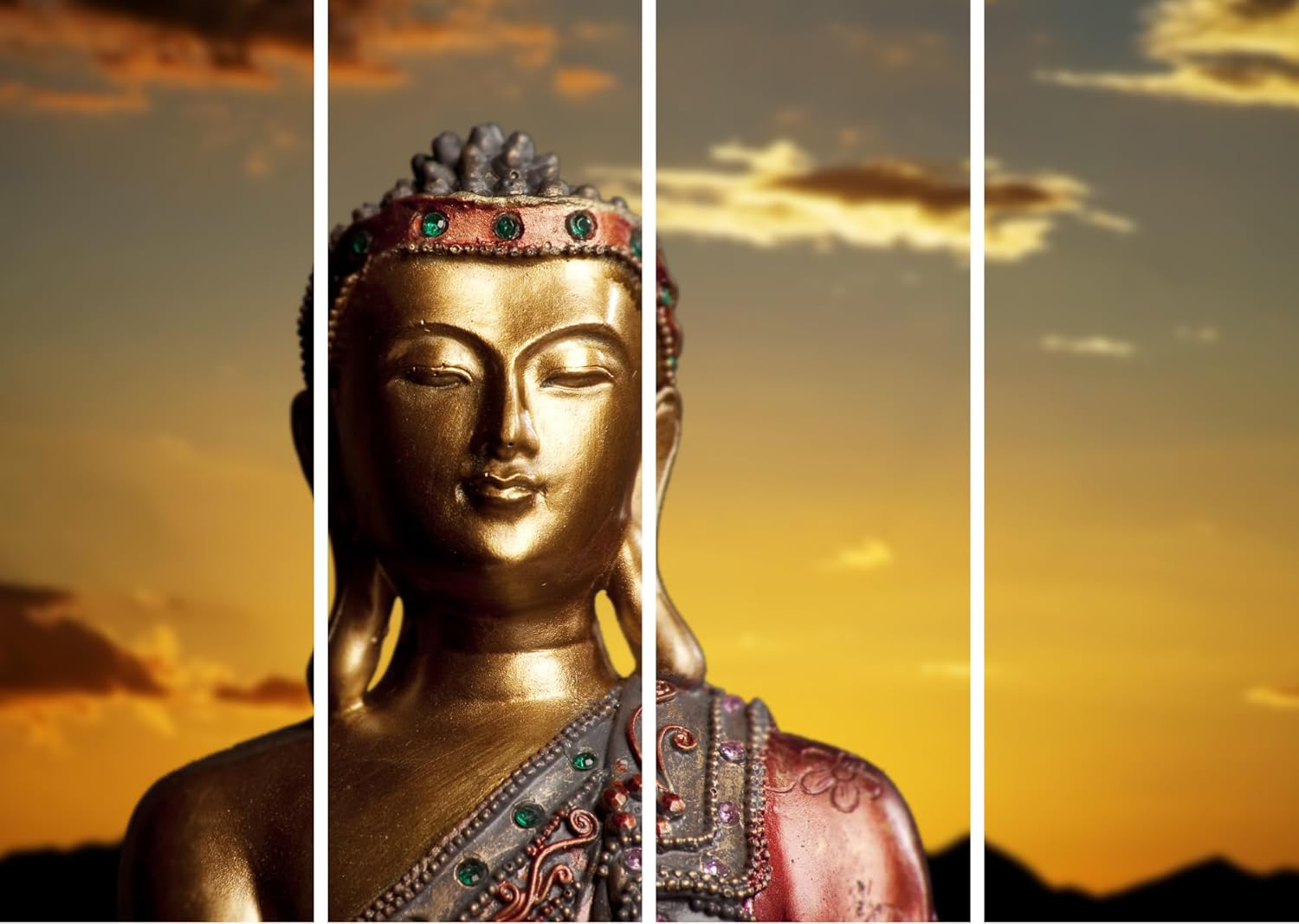
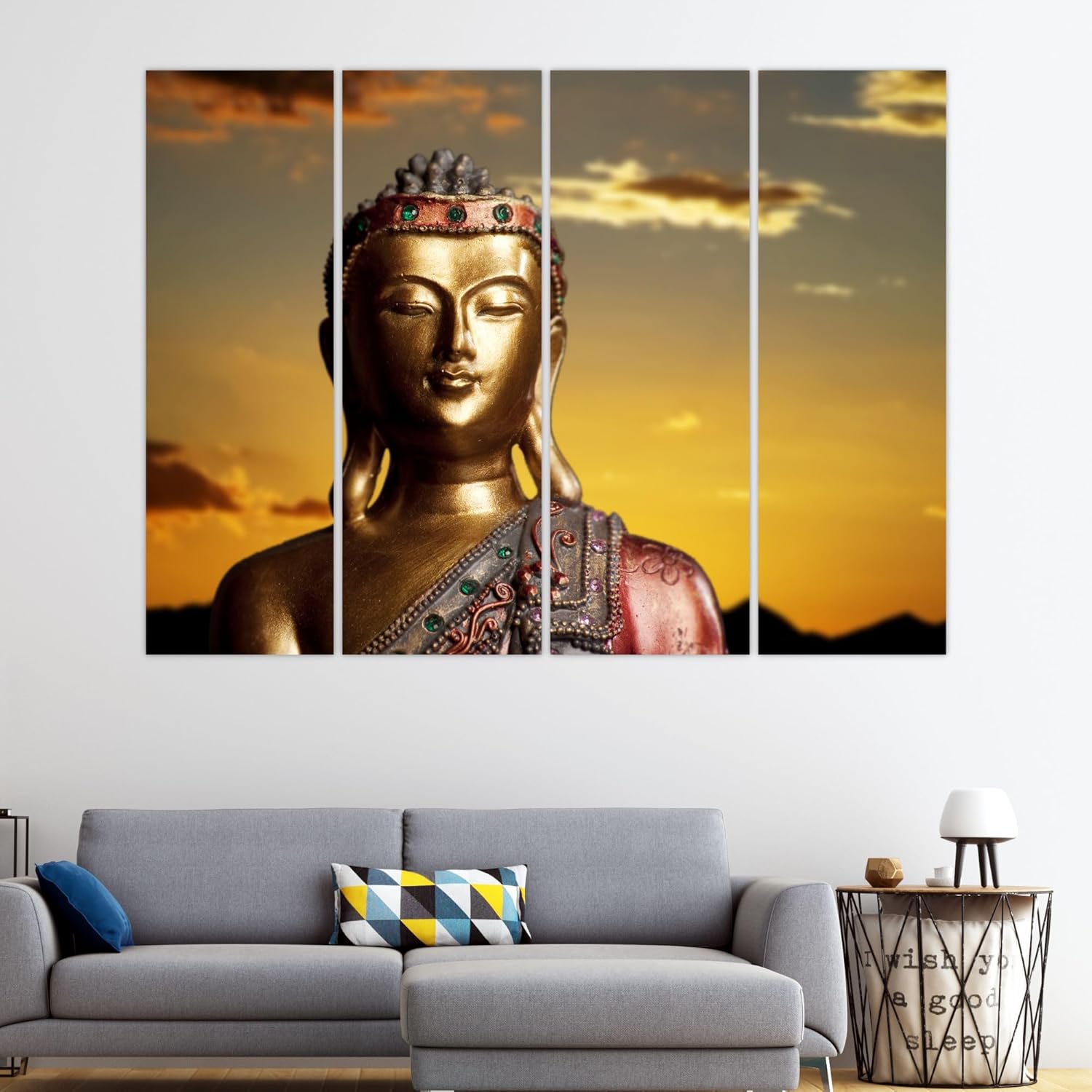
Here's what you're actually looking at: a 4-panel Buddha composition at 85cm wide by 55cm tall. The golden Buddha figure sits centered against a warm sunset sky—amber, orange, and soft cloud wisps. The face is serene, eyes closed in meditation, with a jeweled crown featuring small emerald accents. The four MDF panels create vertical divisions that add visual rhythm without fragmenting the Buddha's expression. This isn't an abstract interpretation or a silhouette—it's a detailed portrait-style Buddha with clear features, warm tones, and a composition designed to feel grounded rather than floating.
At 85cm, this piece fits walls between 8-10 feet wide without looking cramped or lost. If your sofa is 6-7 feet wide (typical for Indian 2BHK/3BHK living rooms), this sits comfortably above it with balanced negative space on either side.
Why 85cm Works on 8-10 Foot Walls (And What Changes If You Go Smaller or Bigger)
Your wall is probably between 8-12 feet wide. Let's do the math for different scenarios.
On an 8-foot wall (244cm): 85cm covers about 35% of the wall width. That leaves roughly 80cm of space on each side—enough to feel balanced without looking sparse. If you have a 6-foot sofa (180cm) centered below, the art extends 85cm while the sofa extends 180cm, creating a visual anchor where the sofa grounds the composition.
On a 10-foot wall (305cm): 85cm covers about 28% of the wall width. This works well if your sofa is 7-8 feet wide—the art sits proportionally above without trying to match the sofa's full width. You'll have about 110cm of wall space on each side.
On a 12-foot wall (366cm): 85cm covers only 23% of the wall width. Here, the piece might feel undersized unless placed in a specific zone—above a console table, in a meditation corner, or on a hallway wall where the narrower field of view makes 85cm feel more substantial.
The 55cm height works well in rooms with 8-10 foot ceilings. At standard installation height (20-25cm above your sofa), the top of the frame sits around 175-180cm from the floor—comfortably within eye level when standing, and creating a natural focal point when seated.
How These Golden-Amber Tones Look in Indian Living Rooms (Not Just Online Photos)
The dominant colors here are golden-amber for the Buddha figure and warm orange-yellow for the sunset background. There's maroon-burgundy in the robe detailing and small emerald green accents in the crown jewels.
Against cream or off-white walls (most common in Indian apartments): The warm golden tones complement rather than clash. Unlike cool-toned Buddha art (blues, silvers) that can feel stark against cream walls, this warm palette creates a cohesive, welcoming feel. The amber-orange background almost glows against neutral walls.
Against light yellow or peach walls (common builder finishes): The sunset tones are harmonious—both share the warm spectrum. This won't create the jarring contrast that cooler artwork might.
With wooden furniture: The golden-brown Buddha tones naturally echo the wood in your coffee table, TV unit, or dining set. This piece looks like it belongs with wooden furniture rather than fighting it.
In morning light: The golden tones appear slightly cooler, more metallic. The sunset background looks lighter.
In warm LED lighting (3000K, typical in Indian living rooms): The amber-orange intensifies. The golden Buddha appears richer. This is when the piece looks its warmest and most inviting—which is likely when guests will see it.
In afternoon sun: If your wall gets direct afternoon light, the warm tones won't wash out the way cooler blues or greens might. The golden palette handles bright light well.
Installation in Indian Walls (MDF Panels, Alignment Reality)
This is a 4-panel set, which means four separate MDF frames that need to hang in alignment. Each panel has mounting hardware on the back (hooks visible in the product image showing the MDF frame backs).
For concrete walls (older buildings, most Indian apartments): You'll need wall anchors. Mark the position of all four panels using the spacing shown in the product image—the white gaps between panels are part of the design, so maintain consistent spacing (approximately 2-3cm between panels).
For drywall (modern apartments): Standard drywall anchors work. The 3kg total weight is distributed across four panels, so each panel carries roughly 750g—well within what basic anchors handle.
Alignment tip: Use a laser level or a long straight edge to ensure all four panels hang at the same height. Misaligned multi-panel art is immediately noticeable. Mark all mounting points before drilling the first hole.
For rentals: The holes required for this piece are small—6mm diameter for standard anchors. When you move out, fill with wall putty, sand smooth, touch up with paint. Total repair: ₹200 and 15 minutes.
Installation time: About 25-30 minutes for a 4-panel set if you're being careful with alignment. Don't rush the leveling step.
How This Compares to Macrame Wall Hangings You Might Be Considering
If you've been browsing spiritual or meditation-corner decor, you've probably seen macrame wall hangings—those knotted rope designs, sometimes with Buddha or mandala themes.
Here's the honest comparison:
Visual presence: Macrame has texture but limited color impact. It's usually cream, beige, or natural rope tones. This 4-panel Buddha has actual imagery—a face, expression, color depth, jeweled details. From across the room, macrame reads as "texture on wall" while this reads as "art with meaning."
Durability in Indian conditions: Macrame collects dust in the knots and fibers. In monsoon humidity, the rope can absorb moisture and develop that slightly musty smell. Vinyl on MDF wipes clean with a dry cloth and doesn't absorb atmospheric moisture.
Longevity: Macrame fibers break down over time, especially in sunlight. The knots loosen. After 2-3 years, it often looks tired. MDF with vinyl print maintains its appearance—no fraying, no loosening, no fiber degradation.
Installation: Macrame often needs a dowel or branch, creating a different aesthetic (more boho, less structured). This 4-panel set hangs flush against the wall with clean edges.
Price comparison: Quality macrame Buddha pieces in similar sizes run ₹1,500-₹3,000. For roughly the same investment, you get more visual impact, easier maintenance, and better longevity with vinyl on MDF.
What This Will Actually Feel Like in Your Room
From the doorway: The golden Buddha against the warm sunset background creates a focal point. The 4-panel division adds structure without being distracting—your eye registers "Buddha art" before noticing the panel format.
From your sofa: At 85cm wide and standard mounting height, this sits in your natural field of view. The closed-eyes, meditative expression feels calming rather than intense. Unlike Buddha art with direct eye contact or dramatic poses, this portrait-style composition doesn't demand attention—it offers presence.
Does it dominate the wall? At 85cm, no. This is a medium-sized piece that anchors a section of your wall without overwhelming it. If you have a meditation corner or pooja area nearby, it complements rather than competes. If you want the Buddha to be the dominant visual element in the room, consider whether 85cm is sufficient for your wall size—on walls over 10 feet, you might want larger.
Solo or with adjacent decor? This works well alone above a sofa or console. If you want to add elements, consider small wall-mounted planters or a simple shelf with a few meditation items—nothing that competes with the Buddha's face as the focal point.
Moolwan Design Note
The jeweled crown detail—small emerald accents against the golden Buddha—adds visual interest without overwhelming the meditative expression. The 4-panel format creates rhythm while the centered face ensures the composition reads as unified, not fragmented.
Moolwan Quality Standard
Designed for Indian apartments and lighting conditions. Packed for long-distance Indian transit. Quality checked before dispatch. Splash-proof vinyl resists humidity-related damage. Ships from West Bengal.
Moolwan Fit Guidance for Indian Homes
85cm works on walls between 8-10 feet wide. For 6-7 foot sofas, this creates balanced proportions with comfortable negative space. Install 20-25cm above sofa top for proper visual anchoring.
Quick Specifications
- Product: Moolwan 4-Panel Buddha Vinyl Wall Art on MDF (85x55cm)
- Brand: Moolwan
- Category: Vinyl Wall Art on MDF
- Collection: Buddha Wall Art Collection
- Dimensions: 85cm W × 55cm H × 2cm D
- Weight: 3 kg
- Material & Construction: Splash-proof vinyl print on MDF with sturdy frames
- Colors: Golden-amber Buddha, warm orange-yellow sunset sky, maroon-burgundy robe details, emerald green crown accents
- Best For: Living room walls 8-10 ft wide, meditation corners, entryways
- Ships From: West Bengal
Frequently Asked Questions
Will 85cm look proportional above my 6-foot sofa?
Yes. 85cm is about 47% of a 6-foot (180cm) sofa width—within the ideal 50-75% range for balanced proportions. You'll have visual breathing room on either side without the art looking undersized.
How do I keep the 4 panels aligned during installation?
Mark all four panel positions before drilling any holes. Use a laser level or a long straight edge across the full 85cm width. Maintain consistent spacing between panels (2-3cm). Measure twice, drill once.
Will the golden tones look washed out if my wall gets afternoon sun?
No. Warm golden-amber tones handle direct sunlight better than cooler colors. The sunset background is already designed with high-light tones, so it won't appear faded even in bright afternoon light.
How does vinyl on MDF handle Mumbai/Chennai monsoon humidity?
The splash-proof vinyl surface doesn't absorb moisture the way canvas might. MDF with proper finishing remains dimensionally stable in 70-85% humidity. Wipe occasionally with a dry cloth to prevent dust accumulation.
Can I hang this in a rental without losing my deposit?
Yes. You'll need 4-8 small anchor holes (6mm diameter) for the four panels. When you move out, fill with wall putty, sand smooth, touch up with matching paint. Total cost: under ₹200. These holes are smaller than standard picture hook holes.
Product Snapshot
- Brand: Moolwan
- Product: Moolwan 4-Panel Buddha Vinyl Wall Art on MDF (85x55cm)
- Category: Vinyl Wall Art on MDF
- Collection: Buddha Wall Art Collection
- Theme/Type: Buddha Portrait
- Best For: Living room walls 8-10 ft wide, meditation corners, entryways, hallways
- Primary Differentiator: Golden Buddha portrait against warm sunset sky
- Secondary Differentiators: Jeweled crown with emerald accents; meditative closed-eyes composition
- Material & Construction: Splash-proof vinyl print on MDF with sturdy frames
- Care Instructions: Dry dust with microfiber cloth every 2-3 weeks; no water or chemicals
- Ships From: West Bengal
- Packing: Long-distance transit ready
- Quality Check: Before dispatch