
Cart
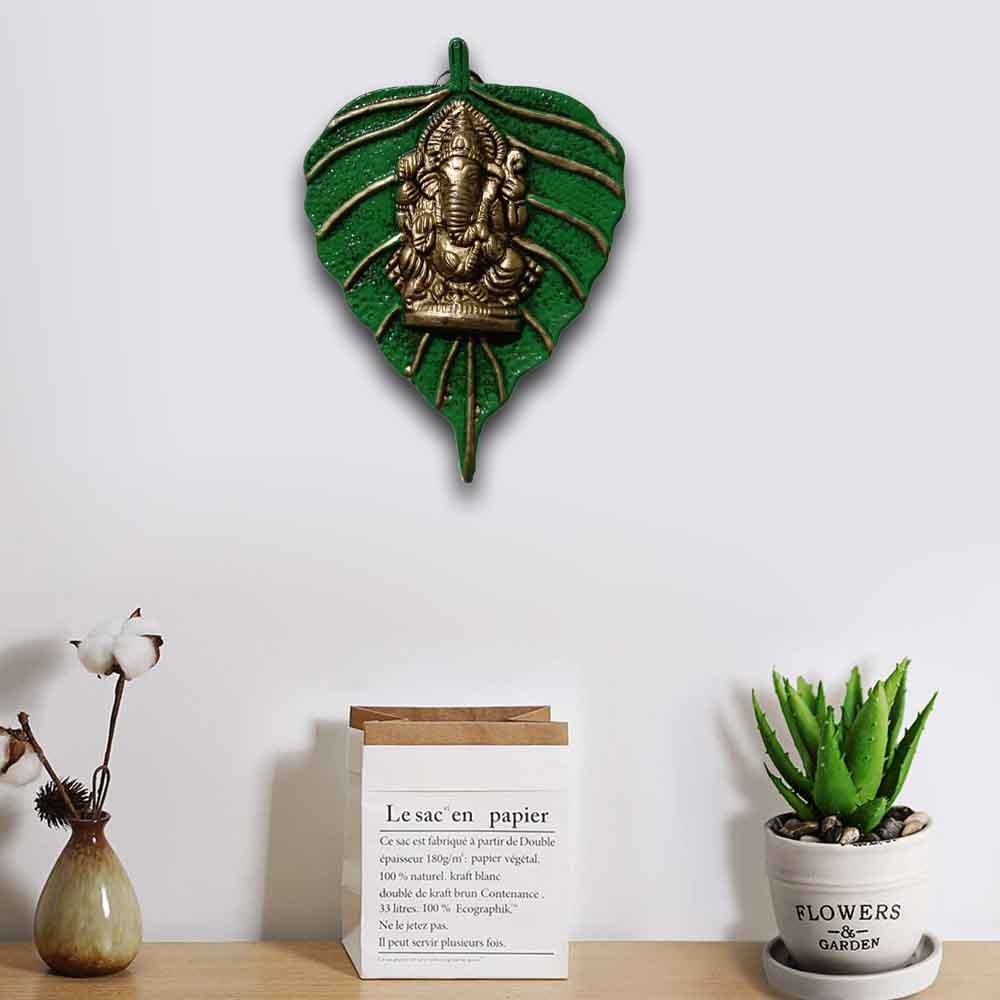
Let's face it—your pooja room might be the spiritual headquarters of your home, but is it giving off those divine vibes or just collecting dust between festivals? Whether you're a daily prayer warrior or someone who visits the pooja room mainly during exam seasons (we've all been there!), creating a sacred space that aligns with Vastu Shastra isn't just about pleasing the gods—it's about bringing positive energy flowing through your home faster than gossip at a family gathering! Buckle up, devotees and decorators, as we dive into some pooja room wisdom that'll have even the gods giving you a celestial thumbs-up! Utilize Stunning abstract showpieces for vastu-compliant pooja room transformation to make this journey to spiritual elegance both impactful and effortless.
Think of your pooja room like cosmic real estate—location matters! According to Vastu, the northeast corner (called "Ishanya") is the VIP spot for your spiritual sanctuary. Why? It's like the gods' favorite hangout zone! This direction is associated with Jupiter and receives early morning sunlight—basically a spiritual double whammy. If your home's layout is conspiring against this placement, the east or north directions make excellent alternatives. Just please, please avoid the south—unless you want your prayers getting lost like socks in a laundry machine! A Modern Ganesha statue for vastu-ideal northeast pooja corner decor adds both spiritual warmth and sleek aesthetic.
Ever noticed how the gods in temples always seem to have perfect lighting? That's no coincidence! Natural light in your pooja room isn't just good for those devotional selfies—it's Vastu-approved for inviting positive vibes. If windows aren't an option (hello, apartment dwellers!), go for yellow or saffron-colored lighting fixtures that mimic the warm glow of flames. Pro tip: avoid harsh white lights that make your deities look like they're under interrogation. Your gods deserve better than feeling like they're at a police station! Complement the ambiance with a Resin Ganesha statue that radiates serenity in Vastu-lit pooja room and blends beautifully with soft lighting.
Choosing colors for your pooja room is like picking an outfit for a divine date—some options just work better than others! White, yellow, and light blue are the holy grail of pooja room colors, symbolizing purity, knowledge, and tranquility. Looking to make a bolder statement? Light orange and soft gold tones can add warmth while maintaining that spiritual vibe. Just avoid black, deep red, or neon colors that might make your pooja room look more like a nightclub than a sacred space. Unless, of course, your prayer style is more "disco devotion"! Add extra depth with a Ceramic floral Ganesha decor in light hues for vastu-aligned ambiance that resonates with your chosen palette.
Arranging your deities is basically like planning a celestial dinner party—there's definitely a protocol! Place the main deity in the center, slightly elevated if possible. The rule of thumb is to arrange gods from left to right in descending height order, kind of like a spiritual family photo. And remember—metal idols in the north, stone in the center, and wood or clay in the south. Mixing these up is like serving ice cream with pickle—technically possible but cosmically questionable! For a grounded and aesthetic focal altar, try a Ganesh showpiece on wooden tray for vastu-aligned altar setup.
Your pooja room floor isn't just something to kneel on—it's the foundation of your spiritual practices! Wooden flooring gets the Vastu gold star for its natural warmth and positive energy conduction. Marble comes in as a close second, especially white or light-colored varieties. Whatever you choose, keep it simple and easy to clean—because nothing disrupts meditation quite like wondering if that's last week's kumkum powder or mysterious food stains beneath your knees! Add harmony with a White matte Ganesha idol for vastu-enhanced prayer flooring that complements the serenity of the base.
Let's be honest—connecting with the divine is hard when your legs are falling asleep! Create a comfortable seating area that invites longer prayer sessions without your body sending SOS signals. Low wooden seats or traditional cushions (preferably in natural fabrics like cotton or silk) positioned facing east or north are ideal. Think of it as creating a spiritual comfort zone where your body can relax while your soul does the heavy lifting! A serene Ganesha idol on raised base for enhanced meditation corner decor adds depth to your prayer posture while reinforcing vastu principles.
Decorating your pooja room isn't just about aesthetics—it's about power-packing your prayers! Incorporate symbols like the Swastika (the ancient sacred symbol, not the other one!), Om, or yantra patterns that act like spiritual WiFi boosters. Bells, conch shells, and traditional oil lamps aren't just pretty accessories—they're energy cleansers that have been on spiritual duty since before trending was even a thing. Use them thoughtfully rather than turning your pooja room into the spiritual equivalent of a souvenir shop! Choose a Symbolic modern Ganesha showpiece on tray with yatra theme for Vastu balance for an immersive spiritual experience.
Did you know plants can be spiritual roommates? Tulsi (Holy Basil) is basically the VIP plant for pooja rooms—it's like having a divine bouncer guarding your sacred space! Other Vastu-approved green buddies include money plant (because who doesn't want financial blessings?) and small indoor plants with rounded leaves. Just remember to keep them well-maintained—a dying plant sends the wrong message to the universe. "If you can't keep a plant alive, how can we trust you with prosperity?" the gods might wonder! Pair greenery with a Compact ceramic Ganesha idol to complement sacred plant spaces for a natural yet divine pairing.
Your pooja room should smell heavenly—literally! Incense sticks aren't just for creating that mystical smoke backdrop for your Instagram prayer posts; they're energy purifiers. Sandalwood, lotus, and jasmine are like the spiritual equivalent of designer perfumes for your sacred space. Just don't go overboard unless you want your pooja room smelling like that one relative who bathes in perfume before family gatherings. Remember: subtlety is divine! Match the fragrance with a Ganesh Chaturthi decor idol to amplify incense ritual effects and enhance your spiritual aroma.
Mirrors in pooja rooms are trickier than explaining cryptocurrency to your grandparents! According to Vastu, mirrors generally shouldn't face your deities directly—it's like making the gods stare at themselves, which seems a bit narcissistic! If you must have mirrors (perhaps to create an illusion of space), place them on the northern or eastern walls, and make sure they don't reflect the altar. Think of mirrors as the gossips of the decor world—they should never be positioned to share what's happening at the altar with the rest of the room! Keep energies sacred with a Traditional Ganesh murti avoiding direct mirror reflection in pooja decor.
If "organized chaos" describes your current pooja room situation, the gods might be sending you side-eye! A cluttered sacred space is like trying to make an important phone call in a noisy market—your divine connection gets lost in the static. Keep your pooja room neat, with designated spots for everything from incense holders to prasad plates. And please, those Amazon packages and random bills seeking shelter? They need a different home. Your spiritual space deserves better than being the default storage solution! Place a Subtle resin Ganesha decor for minimal yet divine vastu-based setup to maintain both form and function.
Creating a Vastu-compliant pooja room isn't about following rules for the sake of tradition—it's about designing a space where positive energy flows as smoothly as butter on hot parathas! Remember, this is your personal portal to the divine, so while following Vastu guidelines, infuse it with elements that resonate with your spiritual journey. A thoughtfully designed pooja room becomes more than just a corner of your house—it becomes the heart of your home, pumping positive vibes through every room. Now go forth and create a sacred space so divine, even the neighbors' prayers might start coming to your address by mistake!
As per Vastu, your pooja room should ideally be in the northeast corner of your home—think of it as the spiritual sweet spot! The room should be kept clean, clutter-free, and well-ventilated with natural light whenever possible. The altar should face east or north, with deities arranged thoughtfully (not randomly like a spiritual garage sale!). The floor should preferably be raised slightly compared to the rest of the house, symbolizing the elevated nature of the space. Remember, your pooja room should feel peaceful and inviting—like a spiritual spa for your soul, not an intimidating space you visit only during emergencies!
Decorating your pooja room with Vastu in mind is like following a divine design rulebook! Start with light, soothing colors like white, yellow, or light blue on the walls. Use wooden elements for warmth and brass or copper items for positive energy. Add traditional oil lamps (diyas), bells, and incense holders that aren't just pretty but functional. Textiles should be natural fabrics like cotton or silk in peaceful colors. Avoid cluttering the space with unnecessary items—each decoration should have spiritual significance. Think minimalist but meaningful—like Marie Kondo went spiritual and asked, "Does this spark divine joy?" before adding each element!
If your pooja room were packing for a spiritual vacation, these five essentials would definitely make the suitcase: First, a bell or ghanta (because sometimes the gods need a wake-up call too!). Second, an oil lamp or diya (the original mood lighting). Third, a small container for kumkum/roli and other prayer materials (spiritual makeup, if you will). Fourth, a clean cloth or asana for sitting during prayers (because connecting with divinity with a numb backside is challenging). And fifth, fresh flowers or a Tulsi plant (nature's air freshener with spiritual benefits). These five items form the starter pack for any functioning pooja room—everything else is just spiritual bonus points!
Arranging a pooja room is like setting up the ultimate spiritual workspace! Begin by selecting the northeast corner if possible. Create a slightly elevated platform or altar facing east or north. Position your main deity in the center with other gods arranged thoughtfully around (not piled like a divine traffic jam!). Keep prayer materials neatly organized in designated containers rather than scattered like evidence of a hasty morning ritual. Include comfortable seating that faces the altar and ensures proper lighting—both natural and warm artificial options. The key is creating a flowing layout where you can move naturally through your prayer routine without knocking things over or performing spiritual gymnastics!
Choosing deity photos is not a divine popularity contest—it's about personal connection and family traditions! Most Hindu homes include Ganesha (the ultimate obstacle-remover and spiritual bouncer), family deities (kula devata), and primary gods like Shiva, Vishnu, Lakshmi, or Durga depending on your traditions. The rule isn't about quantity but quality and personal significance. Display images in frames made of wood or metal rather than plastic (because even gods appreciate good framing!). And remember—gods who are traditionally rivals in mythology shouldn't face each other directly. It's like avoiding seating feuding relatives at the same dinner table—just good spiritual etiquette!
Mirrors in pooja rooms are like that relative who always says the wrong thing at family gatherings—best positioned carefully! According to Vastu, mirrors generally shouldn't be placed facing the deities directly as they're believed to reflect divine energy back rather than allowing it to spread throughout the home. If you must include a mirror, position it on the northern or eastern wall, ensuring it doesn't reflect the altar or any religious symbols. Some Vastu experts suggest avoiding mirrors in pooja rooms altogether, but if you're working with a multi-purpose space, just make sure your reflection doesn't photobomb your deities during prayer time!


