
Cart
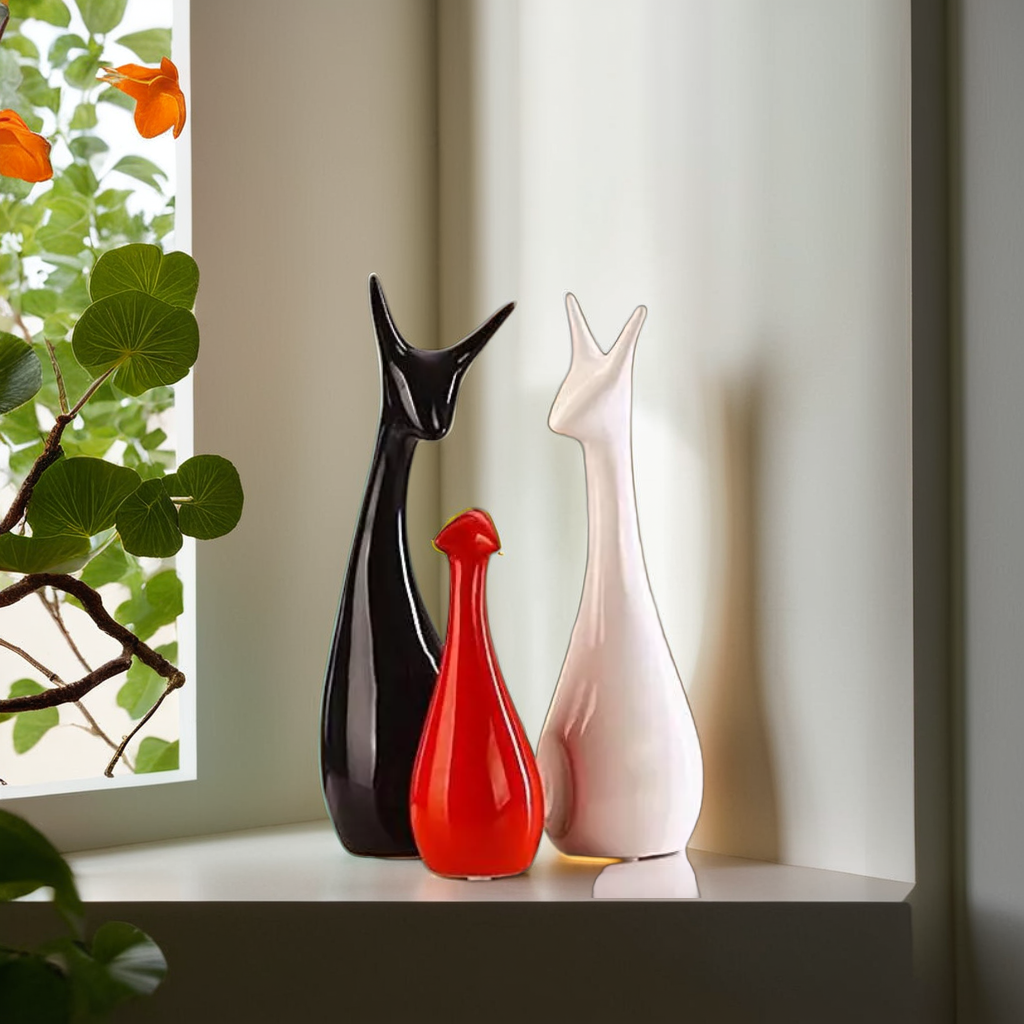
Remember when you were a kid and homework felt like a punishment worse than being told you couldn't have dessert? Well, times haven't changed much - except now YOU'RE the parent trying to convince your little humans that studying isn't torture! The secret weapon parents everywhere are discovering? A super cool study space that makes hitting the books feel more like entering a personal command center. With a few clever tweaks to your child's study table, you might just find them voluntarily doing math problems (okay, let's not get carried away, but they'll definitely complain less). From rainbow organizers to dinosaur-themed desk buddies, I'm about to share 12 study table decoration ideas so fun, your kids might actually forget they're learning! One ingenious idea includes adding a Stunning Small Decorative Showpiece for Study Table Transformation at Home, giving the space charm without sacrificing desk space.
Why settle for a boring desk when it could be a spaceship control panel or an underwater research station? Pick a theme your child loves and run with it! Space explorers will adore constellation decals on the desk surface, while animal lovers might go wild for a jungle-themed workspace with leafy garlands and cute animal pencil holders. My friend's daughter was struggling with math until her desk became "Unicorn Academy" complete with sparkly pencils and a rainbow desk mat. Suddenly, multiplication became magical! Just remember - themes can change faster than your kid's favorite food, so opt for easily swappable accessories rather than permanent modifications that'll have you redecorating again next month when dinosaurs are "so last week." Add flair by incorporating a Decorative Abstract Showpiece for Themed Kids Study Desk Makeover in your chosen theme.
Did you know colors actually affect how we think and feel? It's not just designer mumbo-jumbo! Blue promotes calm focus (perfect for your little tornado), yellow sparks creativity (hello, art projects!), and green reduces eye strain (buh-bye, headaches). My nephew was bouncing off the walls during study time until his mom introduced a predominantly blue desk setup with yellow accents. Now he sits still for... well, at least 15 minutes, which is practically a miracle! Don't want to commit to painting? Try colorful desk mats, mousepads, or pen cups in these brain-boosting hues. Pro tip: ask your child which colors make them feel happy and calm – their instincts might surprise you! A thoughtful addition like a Colorful Resin Showpiece for Kids’ Study Table Ideas at Home can reinforce those energizing color vibes subtly and effectively.
Nothing says "I'm serious about studying" like having your own personal spotlight! Beyond preventing squinty eyes and hunched shoulders, today's desk lamps are seriously cool décor pieces. Look for adjustable LED lamps in fun shapes – my personal favorites are the ones that look like little robots or animals. For ultimate kid approval, grab one that changes colors! My colleague's son has a touch-activated lamp that cycles through rainbow hues, and he uses different colors for different subjects (red for math, blue for reading). It's been a game-changer for his focus, plus it looks like something straight out of a sci-fi movie. Just remember to position it to avoid screen glare – nothing kills homework motivation faster than not being able to see! Pair that lighting setup with a Glazed Finish Vase for Study Desk Décor with Lighting Accent, which enhances visual appeal without cluttering the space.
Let's be honest: kids and organization go together like peanut butter and...well, more peanut butter (it's sticky and messy is what I'm saying). But with the right tools, you can trick them into tidiness! Skip the boring black pencil cups and opt for quirky containers – empty mason jars decorated with washi tape, repurposed building block storage, or those adorable animal-shaped holders that "eat" the pencils. Color-coded folders become way more appealing when they form a rainbow, and even simple drawer dividers feel special when they're bright and playful. My sister created a "homework completed" box decorated with superhero stickers – finishing assignments and filing them away became part of the "saving the day" narrative! Bring intrigue and order using a Fun Artistic Resin Showpiece for Organized Study Table Setup that doubles as inspiration.
Why stop at the desk when you've got all that glorious wall space? Cork boards, magnetic boards, or pegboards mounted above the study table instantly expand your child's territory while adding major style points. The magic happens when you let them personalize it – my friend's son covered his cork board with dinosaur facts and drawings, while his sister's is a collage of inspiring quotes and NASA photos. These boards aren't just decorative; they're functional tools for pinning schedules, assignment reminders, and inspiration. For younger kids, a simple clothesline with cute clips lets them display their latest masterpieces. Bonus: when homework gets tough, having visual reminders of their achievements right in front of them can be the confidence boost they need! Incorporate an Artistic Wall Decor for Study Area Vertical Display Inspiration as a brilliant way to make good use of wall real estate.
News flash: most kids weren't designed to sit perfectly still for hours! Instead of fighting nature, work with it by creating a comfort-focused study space. Start with the chair – a slightly bouncy seat can actually help active kids concentrate (who knew?). Add a small cushion for lower back support or a wobble cushion that lets them wiggle while they work. My nephew concentrates best with a simple stress ball nearby to squeeze during tough math problems. Another game-changer? A small footrest or even a resistance band tied between chair legs gives fidgety feet somewhere to go. One clever mom I know keeps a small basket of fidget-friendly items next to her daughter's desk – simple things like a smooth stone, a small squishy toy, or a textured pencil grip that provide sensory input without becoming major distractions. Add calming décor like a Resin Matte Finish Decor Piece for Cozy Kids Study Corner to tie relaxation and focus together.
In the digital age, even elementary schoolers might need computer access for assignments. But nothing ruins a beautiful study space faster than a tangled rat's nest of cables! Turn tech organization into part of your décor scheme with colorful cable clips, adorable animal-shaped cord holders, or washi tape labels that make identifying chargers a breeze. My cousin's tech-savvy tween has a desk with a built-in "charging garden" – a small section where devices rest on fake grass while charging. For younger kids, consider decorative covers for power strips (dinosaur-shaped ones exist, and they're amazing) or simple cable sleeves in bright colors. Remember, teaching kids to manage their digital tools neatly is both a practical skill AND makes their study space much more appealing! Add a quirky Antique Style Showpiece for Tech-Friendly Study Desk Décor as a stylish touch that anchors their digital zone.
Want to boost your child's concentration, reduce stress, AND beautify their study space in one fell swoop? Add plants! Before you panic about another living thing to keep alive, know that there are virtually indestructible options out there. Succulents and air plants require minimal attention, while pothos and snake plants seem to thrive on neglect (much like my housekeeping skills). My friend's daughter named her desk plant "Albert Einplant" and talks to it while studying – hilariously, her science grades improved after this leafy friend arrived! For kids who might knock things over, consider wall-mounted planters or magnetic ones that stick to metal surfaces. Beyond the scientific benefits, caring for a plant teaches responsibility, and let's be honest – everything looks better with a touch of green! Elevate the design further with a Ceramic Vase for Study Table with Low Maintenance Plant Setup.
The most motivating study spaces reflect the personality of their little occupants! Encourage your child to add personal touches that make them smile – family photos in quirky frames, a small display shelf for their favorite collection (goodbye, desktop clutter!), or a special mug that holds their study snacks. My niece has a "word of the day" chalkboard at her desk where she writes a new vocabulary word each morning – it's become a fun family game to use that word throughout the day. Another sweet idea? A small "mailbox" where family members can leave encouraging notes before big tests or challenging assignments. These personalized elements transform a generic workspace into a special spot where your child feels truly at home with their thoughts and ideas. A wonderful complement is a Unique Modern Statue for Kids Study Table Personalization that makes their space uniquely theirs.
Kids thrive on recognition, so why not build it right into their study space? Create a designated area for displaying achievements – it could be as simple as a string with clothespins for hanging good test papers or as elaborate as a "Wall of Fame" with framed certificates. One creative dad I know installed a small trophy shelf above his son's desk, but instead of traditional trophies, it holds small toys or treats that can be "earned" by completing study goals. Another brilliant idea? A visual progress tracker for long-term projects – my colleague's daughter has a paper "reading tree" where she adds a leaf for each book completed. These visual reminders of past successes provide powerful motivation during moments of frustration – "I did it before, I can do it again!" Introduce an Eye-Catching Tall Showpiece to Celebrate Study Achievements at Home, acting as a centerpiece for the motivation zone.
Creating an inspiring study space doesn't have to empty your wallet! Some of the most creative desk transformations I've seen relied heavily on dollar store finds and upcycled treasures. Plastic bins become stylish storage with a coat of spray paint and some decorative tape. Plain notebooks get personality with stickers or magazine cutouts. Even simple clothespins can become photo holders or paper clips with a little paint and imagination. My favorite budget hack? Using decorative contact paper to transform an old desk surface – my sister covered her daughter's scratched-up hand-me-down desk with a marble-look contact paper, and now it looks like something from a fancy catalog! The best part of budget-friendly decorating is that it feels less precious – when everything is inexpensive, kids feel freer to experiment and truly make the space their own. Enhance the desk with a Budget Ceramic Decor Accent for DIY Kids Study Desk Makeover that matches the aesthetics affordably.
Decorating a child's study table should balance function with fun! Start with essentials like good lighting and comfortable seating, then add personality through a color scheme that promotes focus (blues, greens) with pops of energizing colors (yellow, orange). Incorporate your child's interests through themed accessories like space-themed pencil holders or dinosaur bookends. The magic happens when you involve your child in the process – their input ensures they'll actually want to use the space you create together. Remember that less is often more – too many decorations can become visual distractions!
The key to study table organization is creating dedicated zones: a workspace zone (kept clear except during active work), a supply zone (pens, pencils, scissors), a reference zone (dictionaries, frequently used books), and a storage zone (completed work, ongoing projects). Vertical storage using wall-mounted shelves or pegboards maximizes space while keeping essentials visible. Color-coding systems work wonders – try coordinating folders by subject or using different colored containers for different types of supplies. Most importantly, teach your child the "one-minute cleanup" habit at the end of each study session – returning items to their homes immediately prevents overwhelming messes.
The ideal color palette for a study table combines focus-enhancing neutrals with strategically placed pops of stimulating colors. Light blues promote concentration and calm, soft greens reduce eye strain and anxiety, while neutral whites and light woods create a clean foundation. For accents, yellow stimulates creativity and critical thinking, while orange provides energizing bursts for motivation. The best approach is customizing to your child's preferences and needs – visually sensitive children might benefit from more muted tones, while those who struggle with focus might need brighter accents to maintain engagement. When in doubt, start with a neutral base and add colorful accessories that can be easily changed.
While "lucky colors" vary across cultures, blue is widely considered beneficial for academic success as it promotes calm concentration and clear thinking. In Chinese feng shui traditions, green represents growth and learning, while purple symbolizes wisdom. Indian vastu suggests yellow for intelligence and memory enhancement. Rather than focusing on luck alone, consider combining these traditionally auspicious colors with your child's personal preferences – a study space they love is inherently "luckier" because they'll actually use it! The most universally beneficial approach is creating balance: calming background colors with energizing accents, avoiding overly dark shades that can feel oppressive or extremely bright colors that might overwhelm.
Setting up an effective study table starts with ergonomics – the chair height should allow feet to rest flat with knees at 90 degrees, while the table height should let arms rest comfortably when typing or writing. Position the desk to maximize natural light while avoiding glare, and supplement with adjustable task lighting. Create clear zones for different activities (computer work, reading, writing, crafts) and ensure essential supplies are within reach but not cluttering the main workspace. Consider your child's specific needs – fidgety kids benefit from wobble cushions or footrests, while visually distracted children might need the desk to face a blank wall rather than a window. Finally, involve your child in personalization touches to create ownership of the space – their input dramatically increases the likelihood they'll actually want to use it!


