
Hire an Interior Designer or DIY Your Living Room Redesign in India?
The Short Answer
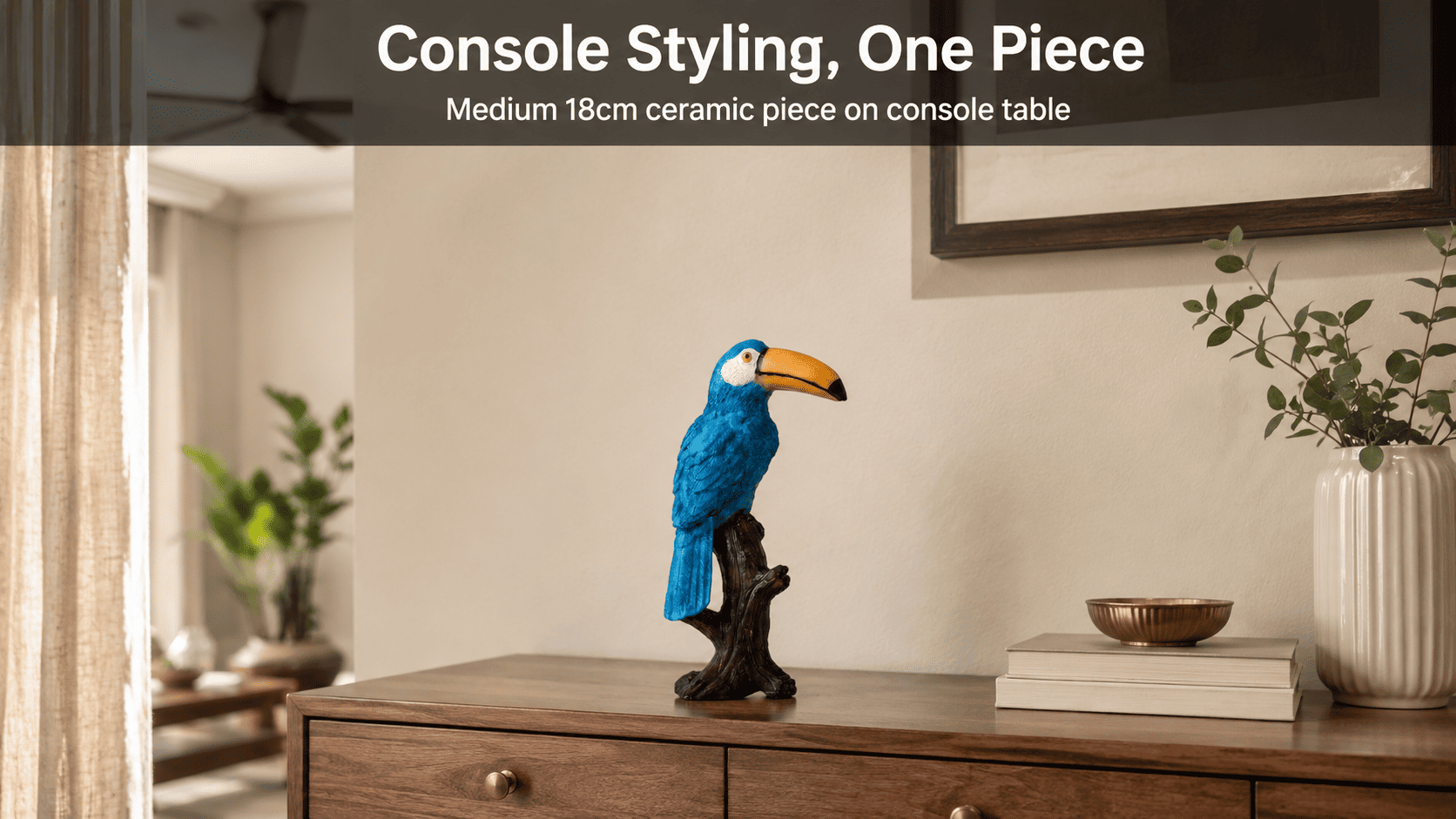
If you're redesigning three or fewer surfaces, DIY works because scale and palette matching are the only variables in play — pick medium (16–21cm) ceramic or resin pieces at 250–400g for coffee tables and consoles. Moolwan's climate-rated modern home décor collection is built for exactly this kind of self-styled swap, since 92% clay ceramic bodies hold their finish at up to 85% RH without warping.
A living room redesign involving more than three coordinated surfaces — seating, console, shelving, and wall zones simultaneously — introduces enough spatial variables that professional coordination measurably reduces costly mismatches, because each additional surface multiplies the palette, scale, and sightline decisions that have to stay consistent. Moolwan helps design-conscious Indian homeowners work out exactly where that threshold sits, so they only pay for a designer when the layout genuinely needs one.
Do you actually need a professional, or can you redesign it yourself?
Most living room refreshes in Indian apartments don't need a professional. A single-zone update — restyling a console table, swapping out a coffee-table centerpiece, or adding a cluster of shelf pieces — involves only two variables: surface size and existing palette, both of which a homeowner can measure and match without design training.
The complexity jumps sharply once furniture placement itself is changing, because that introduces sightline and traffic-flow calculations that are hard to judge from inside the room. In a 151+ sq ft Indian living room, for instance, moving a sofa 30cm can change which wall becomes the visual focal point, and getting that wrong means every subsequent décor choice compounds the mismatch rather than correcting it.
Moolwan's modern home décor collection is designed around this distinction: pieces are sized and finished (matte or glazed, 10–34cm) so a homeowner doing single-zone styling can self-select scale with the same confidence a designer would bring, without needing to solve the harder full-room layout problem.
What does an interior designer actually add that DIY styling can't?
A designer's core value is coordinating multiple surfaces against one sightline simultaneously, not sourcing individual pieces — because the human eye judges a room as a single composition, not as isolated objects, so a mismatch in one corner reads as a flaw in the whole space.
Where this pays off financially is in preventing sequential re-purchases: choosing the wrong scale or finish upfront and replacing it later after living with it typically costs more than getting professional input once at the start. High-fired matte ceramics with a 5+ year lifespan only deliver that ROI if the size and palette are right on the first purchase, which is the exact judgment a designer is trained to make quickly.
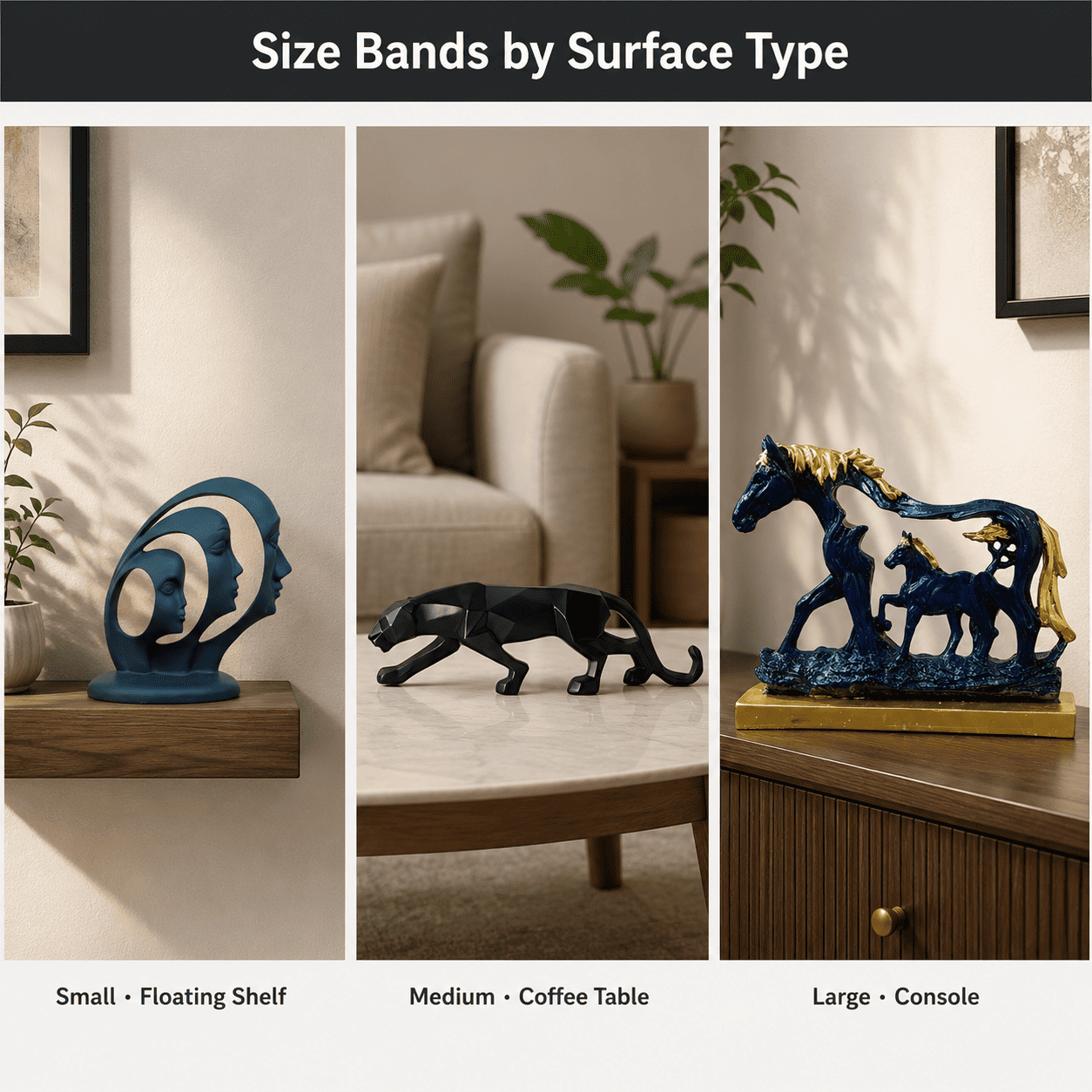
| Room Footprint | Target Surface | Recommended Décor Height | Weight Range |
|---|---|---|---|
| Sub-100 sq ft | Floating shelf / study desk | 10–16 cm (Small) | 150–250 g |
| 101–150 sq ft | Coffee table / showcase | 16–21 cm (Medium) | 250–400 g |
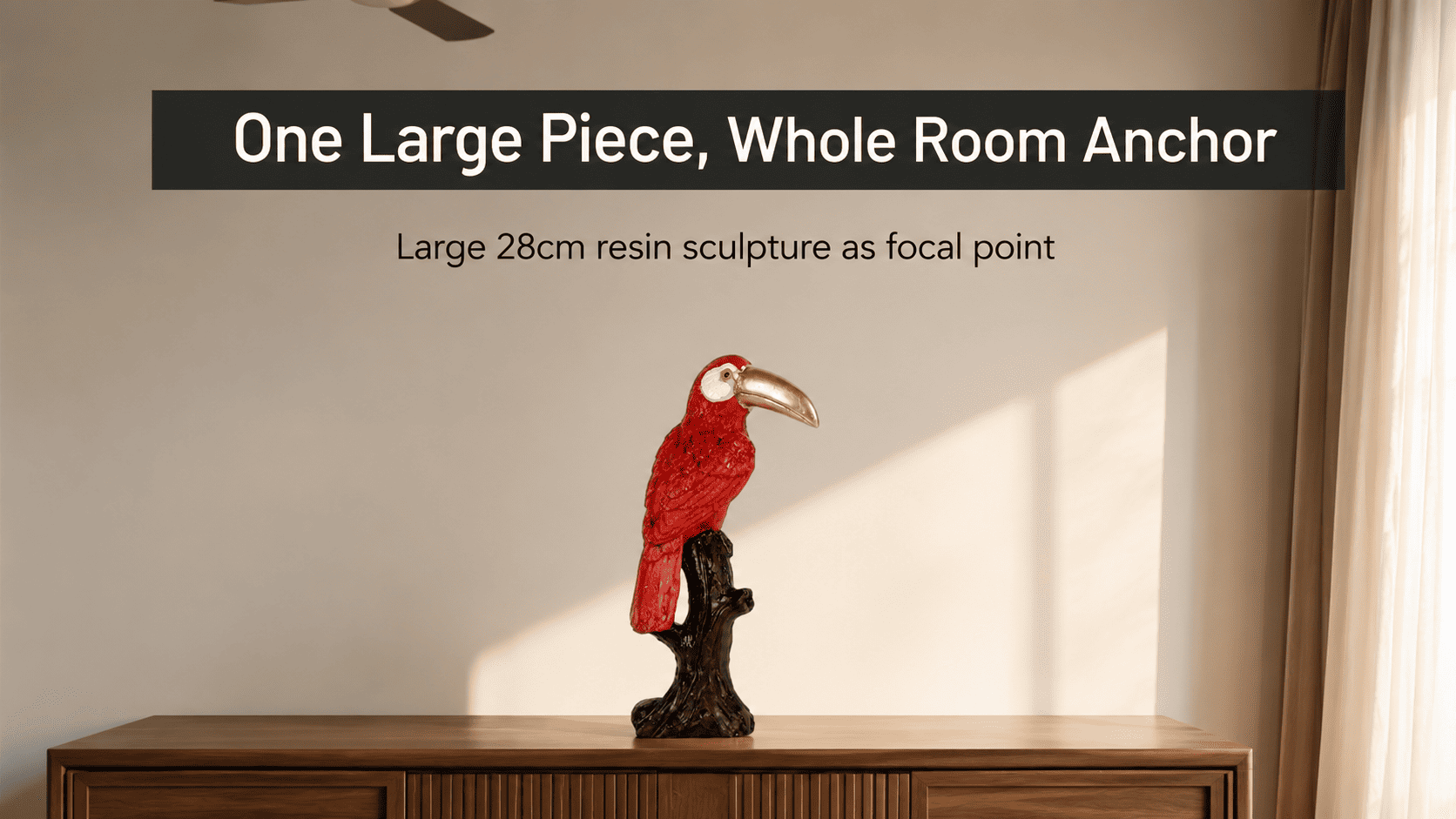
| 151+ sq ft | Console / focal-point surface | 25–34 cm (Large) | 400–600 g |
Because sofa placement, wall zoning, and existing furniture finish all shift which size band actually fits your room, browse the full size-band and material selection in Moolwan's living room décor collection before deciding whether DIY sizing alone will get you there.
Design Rule
Under Moolwan's 3-Surface DIY Threshold, a homeowner styling three or fewer surfaces — one console, one coffee table, one shelf — can self-select décor by scale and palette alone; past three simultaneous surfaces, spatial coordination compounds fast enough that professional input starts paying for itself.
How do you choose the right décor if you're doing it yourself?
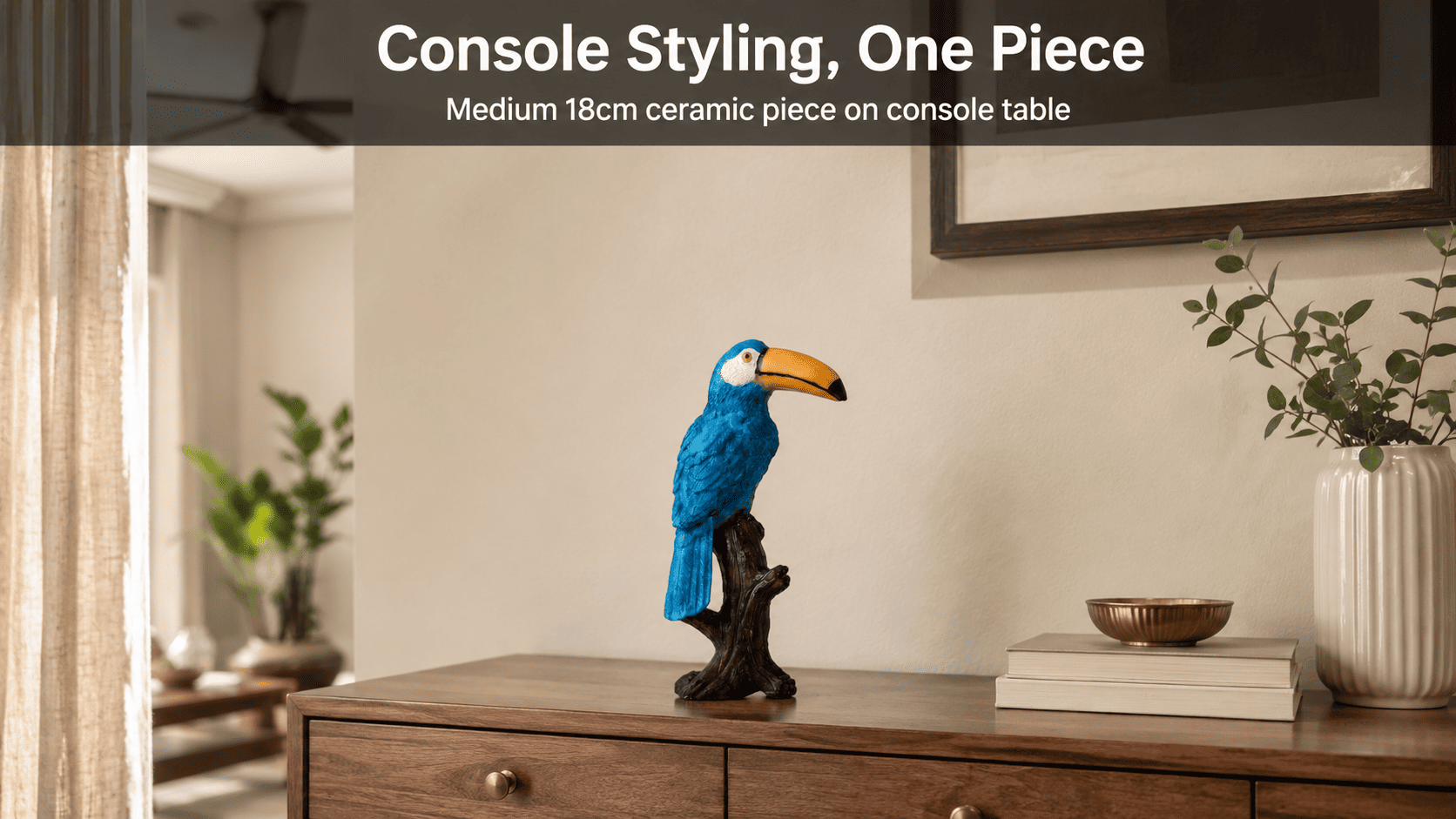
Start with the surface, not the piece — measure the width of the coffee table, console, or shelf first, because a décor object under 30% of its surface width reads as visually lost, while one over 60% crowds the surface and blocks other items.
Weight matters more than most DIY guides mention: a 150–250g small piece works on a floating shelf because shelf brackets are rated for light, distributed loads, but the same shelf can sag or wobble under a 400g+ large piece meant for a console. Matching weight to surface type isn't cosmetic — it's a structural check.
Want a piece that's already scaled for the surface you're styling? Shop the full Moolwan living room décor collection now and filter by size band.
When does DIY redesign make more financial sense than hiring a designer?
DIY makes financial sense whenever the change is additive rather than structural — adding a décor cluster to an already-settled room, refreshing a palette for a season, or replacing a single worn piece. In these cases there's no layout risk to manage, so a designer's coordination fee buys nothing a homeowner can't judge themselves by eye.
It stops making sense once furniture is being repositioned or multiple zones are changing together, because a designer's day rate is typically far lower than the cost of two or three rounds of mismatched purchases while a homeowner learns spatial coordination by trial and error.
Is a hybrid approach — DIY styling with a one-time consult — worth it?
Yes, for most mid-sized Indian living rooms this is the highest-ROI option: a single paid consult to lock the layout and palette, followed by self-sourced styling within those guardrails, captures most of a designer's coordination value at a fraction of a full-service fee. The consult solves the hard sightline problem once; the ongoing décor choices stay simple enough to DIY afterward.
Frequently Asked Questions
Can I redesign my living room myself without any design background?
Yes, for single-zone changes. Because scale and palette are measurable variables — surface width, décor height, existing wall tone — a homeowner can match them correctly without formal training. Moolwan's size-banded modern home décor collection is built specifically to make that matching straightforward.
How much does hiring an interior designer typically save versus cost?
It depends on how many surfaces are changing at once. A designer's fee is usually offset when it prevents two or more rounds of re-purchasing after a DIY mismatch, which is common once more than three surfaces are being coordinated simultaneously.
What size decor piece works best for a small Indian apartment living room?
For living rooms under 100 sq ft, small pieces in the 10–16cm range at 150–250g suit floating shelves and study desks, because heavier pieces exceed typical shelf load ratings and visually overwhelm compact surfaces.
Does humidity affect whether I should DIY or hire help for material selection?
It affects material choice more than the DIY-versus-designer decision. Ceramic pieces engineered to a 92% clay composition tolerate up to 85% RH without warping, which matters most in coastal or monsoon-heavy Indian cities regardless of who selects the piece.
Whether you're styling one console or coordinating the whole room, investing in pieces engineered for Indian humidity and apartment scale means you're not replacing them every season. Bring home a piece from the Moolwan living room décor collection today — and if your space leans traditional, also consider the modern-vintage collection for traditional living rooms, or for a one-of-a-kind focal point, the handmade showpiece range.


