
How to Make a House Look Expensive on a Budget: 7 Décor Rules
The Short Answer
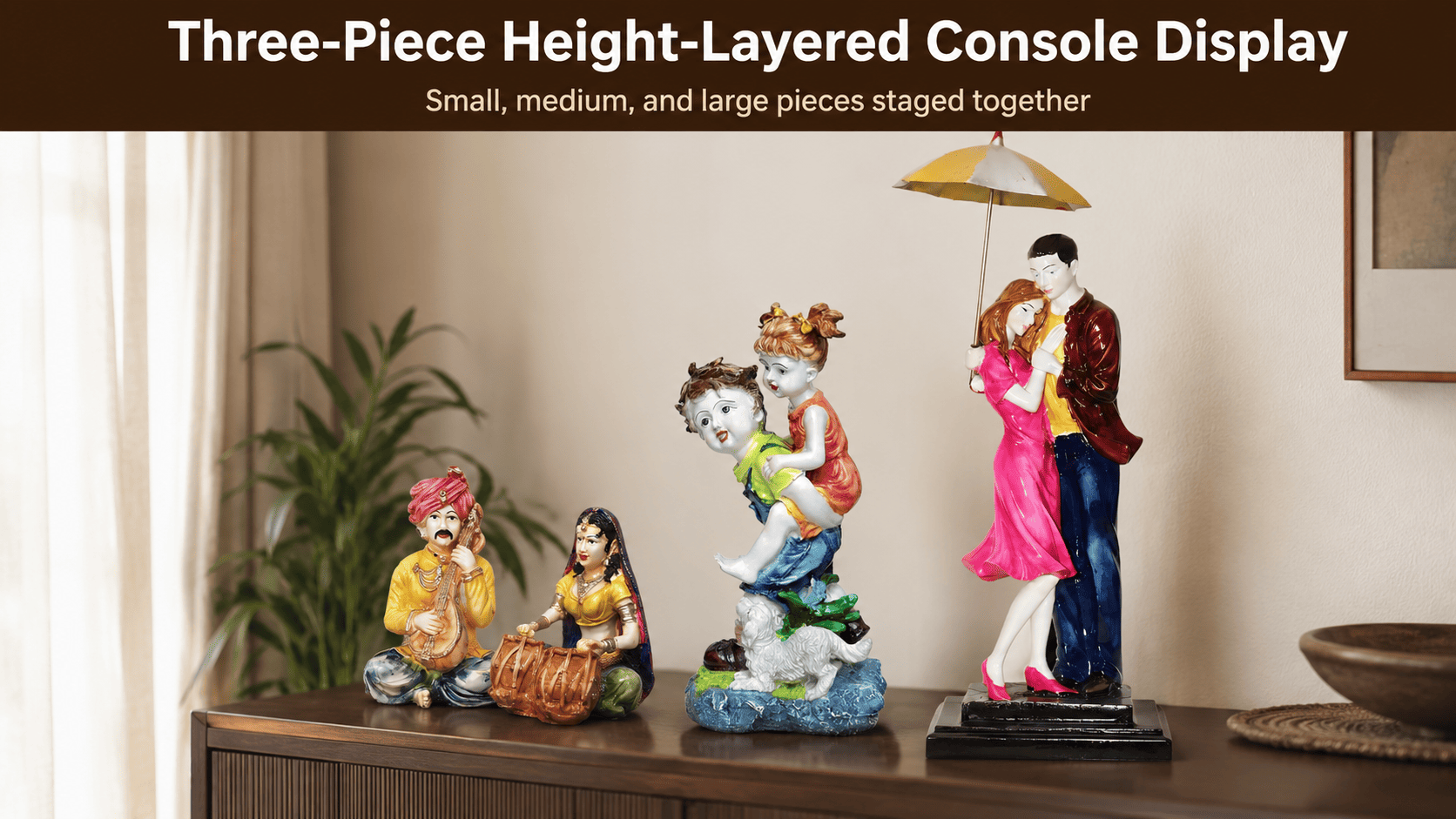
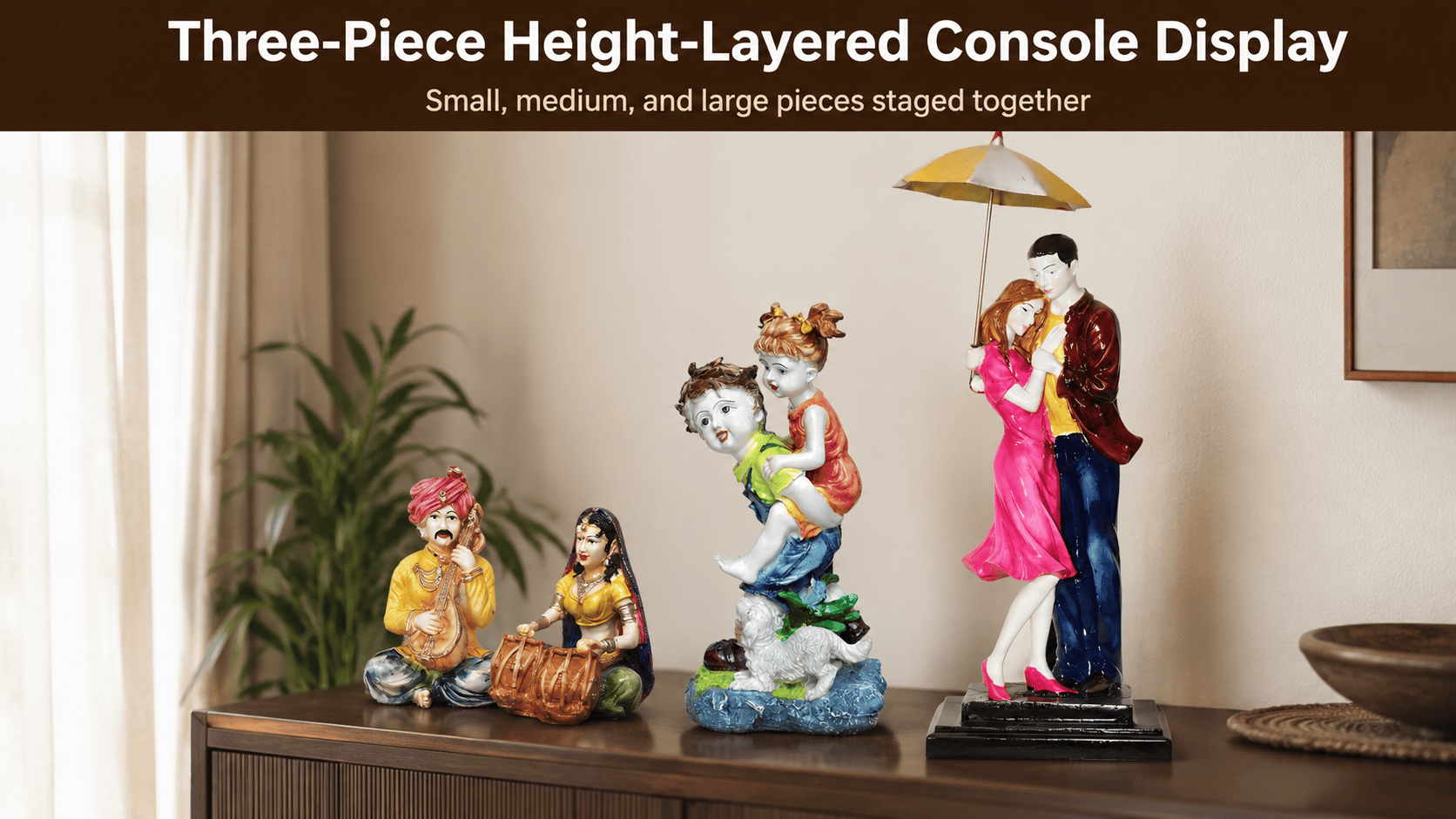
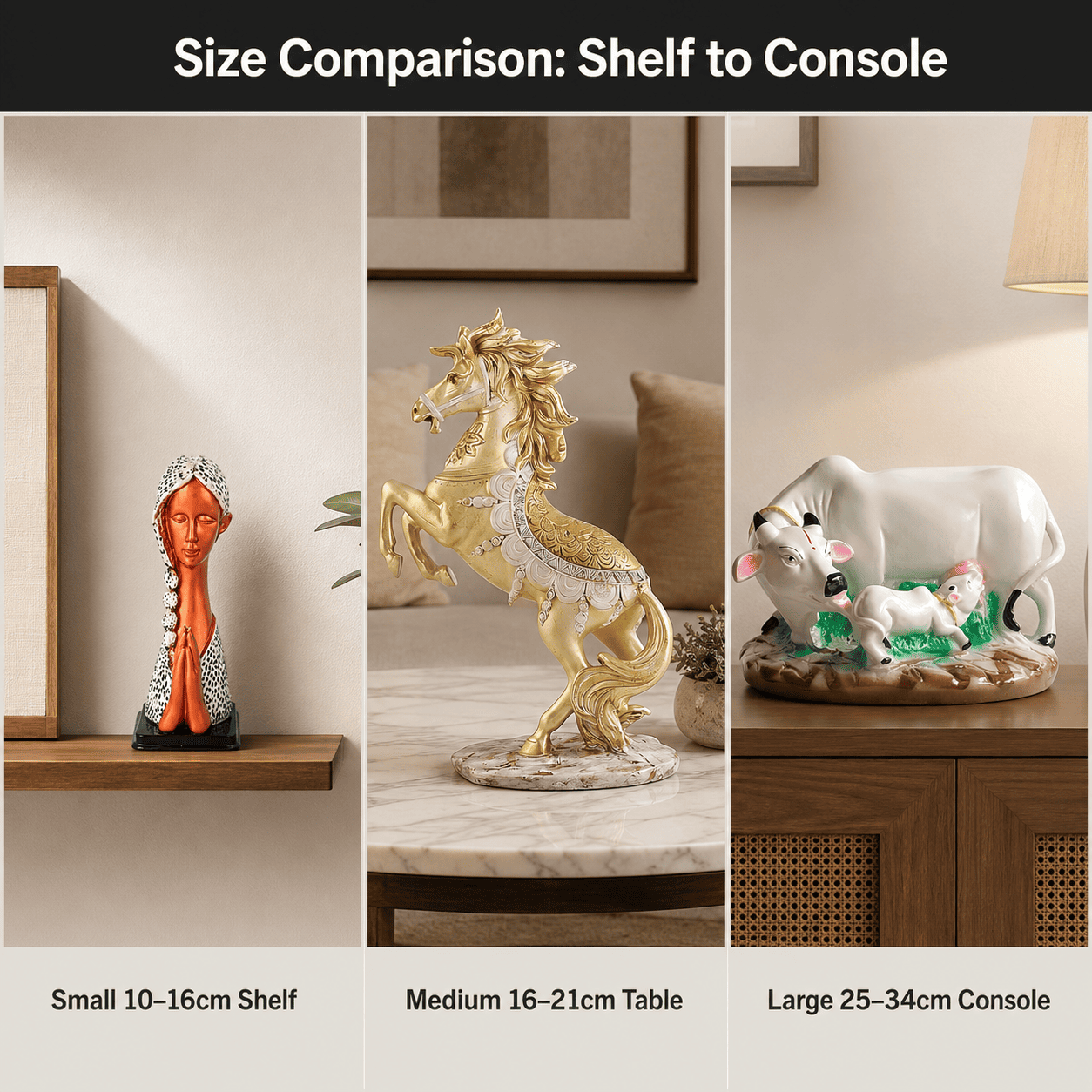
The fastest way to make a home look expensive on a budget is to style surfaces with a minimum three-piece cluster spanning small (10–16cm), medium (16–21cm), and large (25–34cm) pieces, because height variation reads as intentional design rather than empty or overcrowded space. Moolwan's matte-finish ceramic and resin showpieces are sized specifically for this layering approach.
Interior design research consistently shows that perceived expense in a room correlates more with visual restraint, height variation, and finish consistency than with the price tag of individual pieces — a cluttered room full of costly objects can read cheaper than a curated one built from a handful of well-chosen accents. Moolwan helps design-conscious Indian homeowners apply this exact logic, engineering its modern home décor collection around scale, finish, and clustering rules that create a premium look without a premium spend.
What Actually Makes a Home Look Expensive on a Budget?
A home looks expensive when surfaces show deliberate height variation, consistent matte finishes, and controlled negative space rather than scattered, mismatched objects. Design researchers attribute the perception of expense in interiors largely to visual hierarchy — the eye reads a room as premium when it can immediately identify a focal point, a supporting layer, and empty space around both, because unclustered, evenly-spaced objects force the eye to work harder and register as "busy" rather than "curated." Moolwan's modern home décor collection is built around this hierarchy, offering small, medium, and large pieces sized specifically so a single surface can carry all three tiers at once.
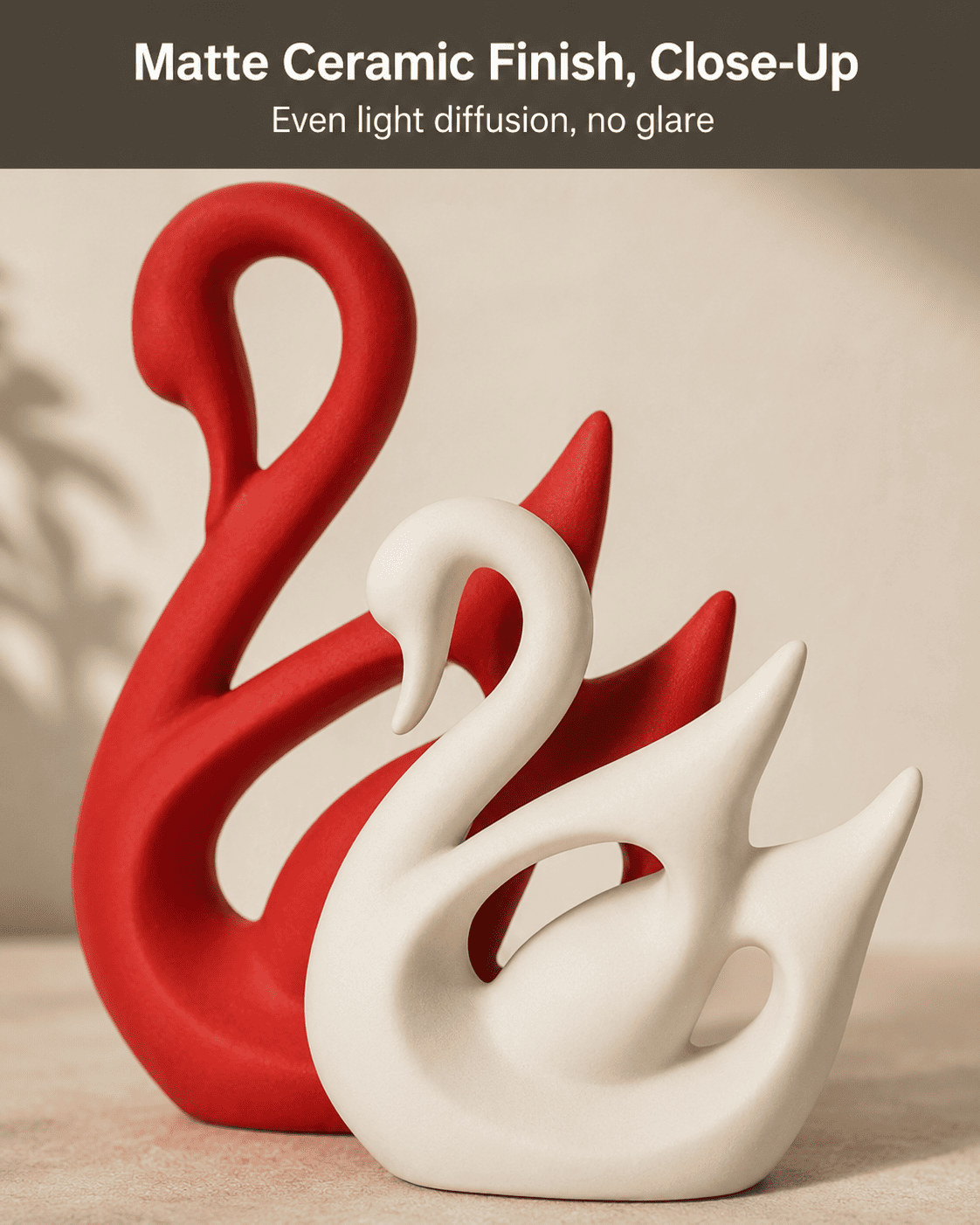
Finish consistency plays an equally large role: glossy, mismatched textures scatter light in different directions and visually fragment a room, while a single finish family — all matte or all glazed — reflects light uniformly across a surface and reads as coordinated rather than accumulated over time. This is why a matte ceramic piece and a matte resin piece placed on the same shelf look intentional, even at a fraction of the cost of a single imported showpiece.
How Do You Choose the Right Size Décor Accent for Each Surface?
The right size is determined by the width of the surface it sits on, not by personal preference, because oversized pieces overwhelm small surfaces and undersized pieces disappear on large ones. A floating shelf or bathroom counter under 30cm wide can only visually support a small décor accent in the 10–16cm range before the object begins to dominate the available surface area; anything larger breaks the surface-to-object ratio that the eye reads as balanced. A coffee table or showcase in the 45–60cm range, by contrast, has enough surface depth to carry a medium 16–21cm piece as a genuine focal point without the object looking lost.
| Target Surface | Surface Width | Recommended Piece Size | Weight Range |
|---|---|---|---|
| Floating shelf / bathroom counter | Under 30 cm | 10–16 cm (Small) | 150–250 g |
| Study desk / side table | 30–45 cm | 10–16 cm (Small) | 150–250 g |
| Coffee table / showcase | 45–60 cm | 16–21 cm (Medium) | 250–400 g |
| Console / entry table / bookshelf | 60+ cm | 25–34 cm (Large) | 400–600 g |
Because entry consoles, bookshelves, and coffee tables in Indian apartments vary widely in width and load capacity, browse the full size and material selection in Moolwan's modern home décor collection to match a piece to your exact surface.
Design Rule
To prevent a styled surface from reading as either empty or cluttered, apply Moolwan's 3-Height Cluster Rule, which mandates grouping a minimum of three décor accents spanning all three size tiers — small (10–16cm), medium (16–21cm), and large (25–34cm) — on any surface wider than 45cm, so the eye registers layered depth instead of flat repetition.
Does a Higher Price Always Mean a More Expensive Look?
No — durability and finish quality affect the expensive look far more than price, because low-durability pieces visibly degrade within a year and start reading as cheap regardless of original cost. A resin piece rated to only 3H pencil hardness scratches under normal handling within months in a high-traffic space, and once the surface shows visible wear the entire display reads as budget rather than curated, even if the piece itself was expensive at purchase. Investing in Moolwan's 94%-purity epoxy resin and 92%-clay ceramic pieces — rated for 3+ and 5+ year indoor lifespans respectively — protects the expensive look over time instead of just at the moment of purchase, which is the core ROI logic behind climate-rated décor.
Want a home that still looks expensive two years from now? Shop the full Moolwan modern home décor collection now.
How Do You Avoid a Cluttered, Cheap Look When Styling on a Budget?
Avoid clutter by leaving roughly 60–70% of any surface visibly empty, because unbroken negative space is what signals restraint and intentionality to the eye. Filling every inch of a shelf or console with décor is one of the most common reasons a budget-styled room reads as cheap, because a fully packed surface removes the visual "breathing room" that separates curated display from accumulated clutter. Keeping the surface no more than 30–40% covered, and clustering that coverage into one or two groupings rather than spreading pieces evenly, lets each individual accent register instead of blurring into a wall of objects.
Moolwan's compact small and medium accents (10–21cm) are specifically sized so that a two-piece cluster can occupy the recommended 30–40% coverage without needing bulky objects to fill the space.
Frequently Asked Questions
How many décor pieces should I put on one shelf to make it look expensive?
Group a minimum of three pieces spanning small, medium, and large sizes rather than spacing single objects evenly across a shelf, because varied height within one cluster reads as an intentional display while evenly-spaced single objects read as filler. Moolwan's small (10–16cm), medium (16–21cm), and large (25–34cm) tiers are sized to work together in exactly this kind of grouping.
What finish looks more expensive, matte or glazed?
Matte finishes generally read as more expensive in Indian interiors because they diffuse ambient light evenly and hide micro-scratches over time, whereas glazed finishes reflect light in a single direction and show every scratch and dust mark under bright daylight. Glazed pieces still work well as a single statement accent, but matte is the safer default for multi-piece clusters.
Does humidity affect how long budget décor keeps its expensive look?
Yes — décor rated below 60% relative humidity tolerance can visibly warp or dull within a single monsoon season in most Indian cities, which is why material rating matters more than visible finish at the point of purchase. Moolwan's ceramic pieces are rated to 85% RH and its resin pieces to 60% RH specifically for this reason.
Can I mix ceramic and resin décor accents on the same surface?
Yes, mixing ceramic and resin accents on one surface is fine as long as the finish family stays consistent, because material mixing is far less noticeable to the eye than finish mixing. Pairing a matte ceramic piece with a matte resin piece will read as coordinated even though the materials differ.
Ready to style a home that looks expensive without the expensive price tag? Bring home a curated, climate-rated piece from the Moolwan modern home décor collection — and if you're furnishing a whole room, also check the modern interior décor edit for new homes or browse Moolwan's unique home décor pieces for a one-of-a-kind statement accent.


