
Cart
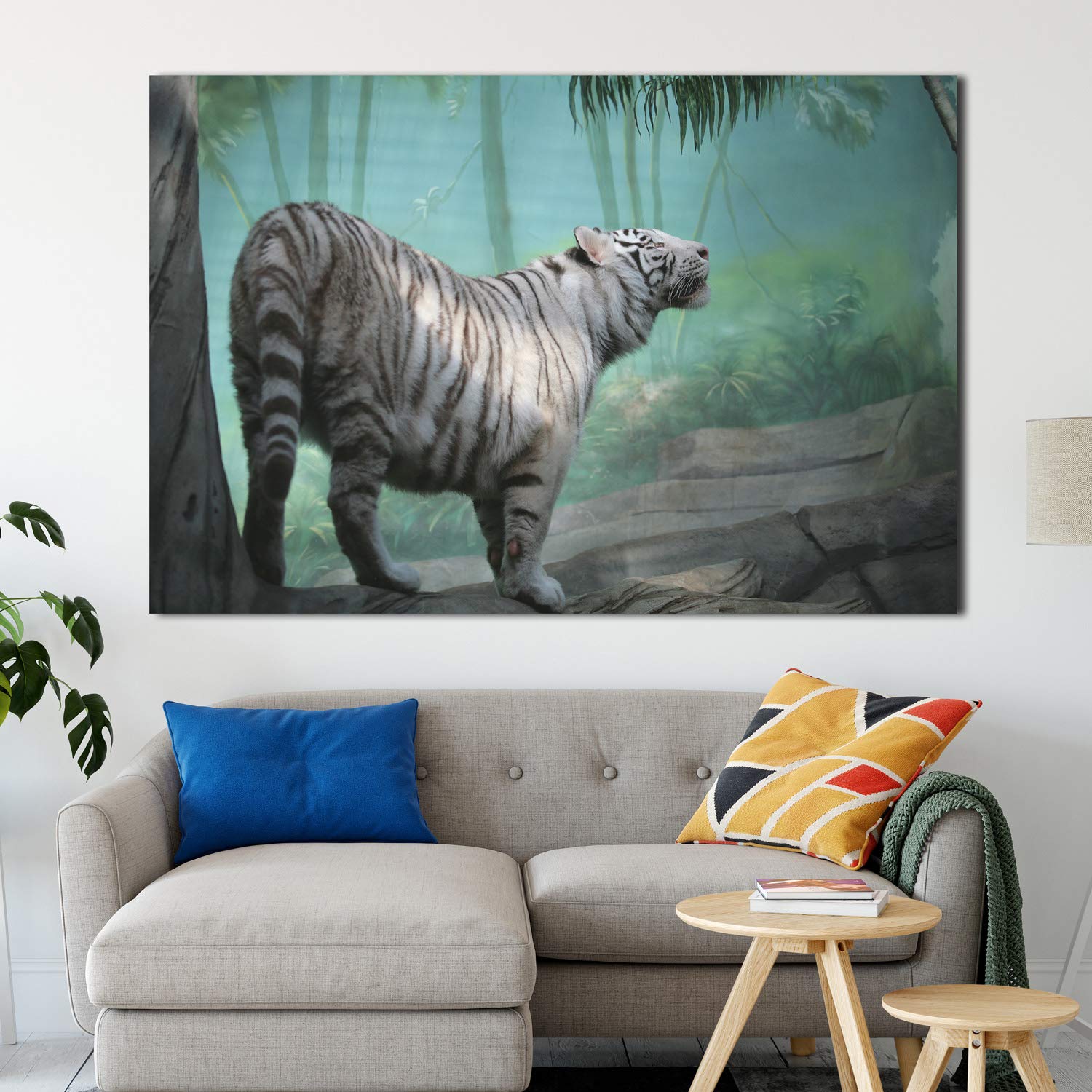
Ever walked into a room that feels both warmly familiar and excitingly fresh? That's the magic of blending traditional interior design with modern elements—a style that lets you honor those gorgeous classic elements while still feeling like you're living in this century (and not your grandmother's parlor). The best part? You don't need an interior designer's budget to pull it off! This delightful design mashup gives you permission to keep Grandma's antique dresser while pairing it with that sleek modern lamp you've been eyeing. It's like having your design cake and eating it too! Add charm to your rooms with easy decor enhancements like a Stunning Ceramic Vase for Traditional Theme with Modern Twist for shelf or corner use.
Let's spill the design tea: when traditional coziness and modern minimalism have a beautiful baby, it's called "transitional design." This style is basically the Switzerland of interior design—diplomatic, balanced, and everyone seems to like it! Transitional spaces combine the comfort and warmth of traditional design with the clean lines and updated materials of contemporary styles. It's like wearing your favorite vintage jeans with a brand-new trendy top—timeless meets of-the-moment in perfect harmony! Accentuate your layout with an Artistic Wall Hanging for Transitional Design Fusion on a Budget that balances modern patterns and classical textures.
Not ready to dive headfirst into a complete home makeover? No problem! Start small with some budget-friendly tweaks that pack a big punch. Try painting traditional wooden furniture in a modern color (hello, navy blue nightstand!), or adding geometric-patterned pillows to that classic sofa. Even switching out ornate picture frames for sleek, simple ones can shift the vibe from "stuffy traditional" to "thoughtfully curated." Remember: transitional design is all about balance—like trying to eat a healthy diet but still making room for chocolate cake! Make a subtle yet stylish statement with Small Decorative Resin Showpieces for Modern-Classic Blend in Compact Interiors.
If colors were personalities, transitional design would be that friend who's both dependable AND surprising. Start with a soothing neutral base (think sophisticated grays, warm taupes, or creamy whites) then add strategic pops of color for modern energy. While traditional rooms might layer multiple patterns and colors, transitional spaces keep things calmer with a more restrained palette. It's like Marie Kondo met a traditional designer and they compromised: "Yes, we'll keep the colors, but only the ones that spark joy!" Try complementing your color strategy with Modern Glazed Finish Ceramic Vase in Transitional Color Palettes that offer subtle sophistication.
Here's where the magic happens! Transitional design loves mixing furniture styles—pairing that wingback chair (maybe with updated upholstery) with a sleek glass coffee table. The secret is maintaining similar scale and complementary lines. Look for traditional pieces with simpler silhouettes or modern pieces with a touch of classic detail. And remember, budget warriors: secondhand shops, Facebook Marketplace, and family hand-me-downs are goldmines for traditional pieces just waiting for a modern resurrection! Revamp old silhouettes with a Tall Modern Abstract Statue for Corner Display in Transitional Space and achieve elegance on a budget.
Fabrics are the unsung heroes of budget-friendly transformations! Update traditional furniture with modern fabrics (or vice versa) for instant transitional style. Think classic sofa shapes reupholstered in performance velvet, or a modern chair dressed up with traditional patterns in updated colorways. Can't afford reupholstering? No worries! Slipcovers, throws, and strategically placed pillows can work similar magic for a fraction of the cost. It's like giving your furniture a fashion makeover without plastic surgery! Pair your textile upgrades with a Classic Resin Showpiece in Antique Finish for Elegant Textural Blend to complement your re-styled corners.
Nothing screams "this room needs therapy" like outdated lighting. Swap those traditional chandeliers and sconces for updated versions with cleaner lines but similar structures. Or go bold with an ultra-modern fixture in a traditional space—like putting a sleek pendant light above a classic dining table. Pro budget tip: spray paint can transform traditional light fixtures from dated to daring in an afternoon! Just remember to turn off the electricity first (unless you're going for that "shocked" look). Illuminate your room further by including a Sleek Resin Decor Piece to Enhance Light Aesthetic in Transitional Homes.
Walls provide major impact for minimal investment! Consider painting traditional molding in a contrasting color to your walls for a modern edge. Or try the reverse: add traditional-style molding to basic walls for architectural interest (stick-on molding is budget-friendly and landlord-approved!). Wallpaper is having a moment too—try traditional patterns in bold modern colors, or modern patterns in subtle tones. Remember: accent walls are your budget's best friend when full-room treatments aren't in the cards! Add flair with a Modern Hanging Wall Decor for Vertical Impact in Transitional Settings, ideal for visual balance.
Traditional spaces love their accessories (so. many. knickknacks.), while modern rooms prefer the "less is more" approach. Transitional style finds the sweet spot—curating meaningful pieces rather than displaying every treasure you own. Group traditional accessories in more minimal arrangements, or showcase just a few traditional elements alongside cleaner modern pieces. It's like having a closet full of accessories but only wearing the ones that truly elevate your outfit! Achieve balance with a Compact Abstract Showpiece for Shelf Styling in Transitional Layouts to avoid clutter and create cohesion.
Floors make a major statement, but replacing them isn't always budget-friendly. The good news? Area rugs are transformational! Layer a modern geometric rug over traditional hardwood, or place a traditional pattern in unexpected spaces. For true budget warriors, try painting existing floors (yes, you can paint floors!), updating tile with peel-and-stick options, or using modern rugs with traditional patterns. Your floors are like the shoes of your room—they can make or break the outfit! Pair flooring hacks with a Large Ceramic Decor Statue for Floor-Corner Styling Under Budget to elevate the ambiance on a dime.
Windows deserve special attention in transitional spaces. Skip the heavy, puddling drapes of traditional design and the stark minimalism of ultra-modern spaces. Instead, opt for simple panels in luxurious fabrics, or traditional patterns in updated colorways. Budget tip: ready-made curtains with custom details (like trim added to plain panels) give you designer looks without designer prices. Think of window treatments as jewelry for your room—they should enhance, not overwhelm! Complement your drapes with a Vertical Abstract Resin Decor for Flanking Window Panels Elegantly.
Absolutely yes, you can mix traditional and modern art—in fact, it's encouraged in transitional design! Try displaying classic landscapes in modern frames, or grouping abstract pieces with vintage portraits. The key is finding a unifying element: similar frames, complementary colors, or consistent spacing. Creating a gallery wall is like hosting a dinner party—you want interesting, diverse guests who somehow all get along together! Merge artistic eras with a Vibrant Decorative Wall Hanging for Eclectic Gallery Wall Designs and bring the wall to life.
Creating a successful transitional space is all about balance—like trying to eat healthy while still maintaining your sanity. Aim for the 70/30 rule: either 70% traditional elements with 30% modern touches, or vice versa. And don't forget the 3-5-7 rule: odd numbers of items (3, 5, or 7) tend to look more appealing in groupings than even numbers. Most importantly, include things you love—because the best designed spaces tell your unique story, just with better lighting and more thoughtful furniture placement!
The beautiful marriage of traditional and modern design elements is commonly called "transitional design." It's the perfect middle ground for those who appreciate classic elements but don't want their home looking like a historical museum. Think of it as the design equivalent of comfort food with a gourmet twist!
The 3-5-7 rule is the designer's secret weapon for creating visually pleasing arrangements. It suggests grouping decorative items in odd numbers (specifically 3, 5, or 7) rather than even numbers. Odd-numbered groupings create more interest and dynamic energy than symmetrical arrangements—it's like the difference between a perfectly matched outfit and one with an unexpected pop that makes it memorable!
The 70/30 rule suggests that a well-balanced room should have about 70% of one style and 30% of another complementary style. In transitional design, this means either 70% traditional elements with 30% modern touches, or 70% modern with 30% traditional. It's like creating the perfect playlist—mostly songs from your favorite genre, with just enough variety to keep things interesting!
To modernize a traditional house, start by decluttering and simplifying (traditional spaces tend to be more "maximalist"). Paint dark woodwork in lighter colors, update lighting fixtures, and replace heavy window treatments with simpler options. Introduce clean-lined furniture pieces to balance ornate architecture, and limit your color palette to create a more contemporary feel. It's like giving your home a stylish haircut without completely changing its personality!
Absolutely! Mixing modern and traditional art creates dynamic, personalized spaces with depth and character. The key is finding a common element—complementary colors, similar themes, or consistent framing. Try placing a bold abstract piece above a traditional console table, or hanging a classical landscape in a room with modern furniture. The juxtaposition creates visual interest and conversation starters—much like pairing an unexpected wine with a classic dish!
\


