
Cart
Welcome to the world of small living rooms, where every inch counts and furniture arrangement feels like a game of Tetris you really need to win! If you've ever stared at your compact living space wondering how on earth you're supposed to fit a TV, a dining table, AND still have room to do your happy dance when your favorite show drops a new season — you're in the right place, friend. Living in a cozy space doesn't mean living without style. In fact, some of the most jaw-droppingly beautiful homes in the world are tiny. The secret? Smart design, clever tricks, and a healthy dose of creativity. Whether you're a renter trying to make a studio apartment feel like a Pinterest board come to life, or a homeowner squeezing maximum function out of a small floor plan, these small living room ideas with TV and dining table are about to change your life — or at least your living room. Let's dive in!

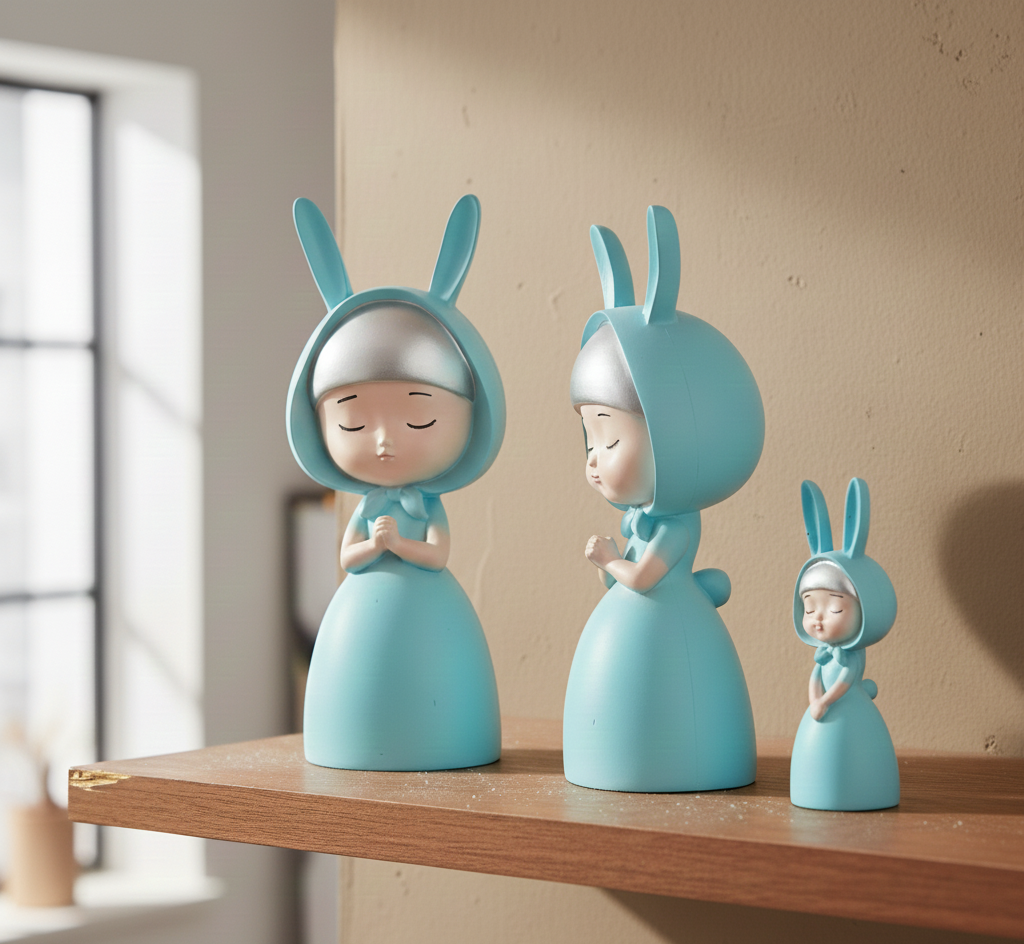
Before you go adding anything to your cart (we all know how that ends — hello, impulse purchases!), grab a measuring tape and get friendly with your floor plan. Knowing the exact dimensions of your space is the single most important step in designing a small living room with a TV and dining table. Map out where your windows, doors, and outlets are. Sketch it on paper or use a free online room planner tool. You can even incorporate small decorative showpieces for small tables to enhance the overall aesthetics. This way, you won't end up with a dining table that blocks your front door — because nothing kills a dinner party vibe like asking guests to climb over furniture. Once you know your space, you can plan smarter, shop smarter, and avoid that dreaded "it didn't fit" panic.

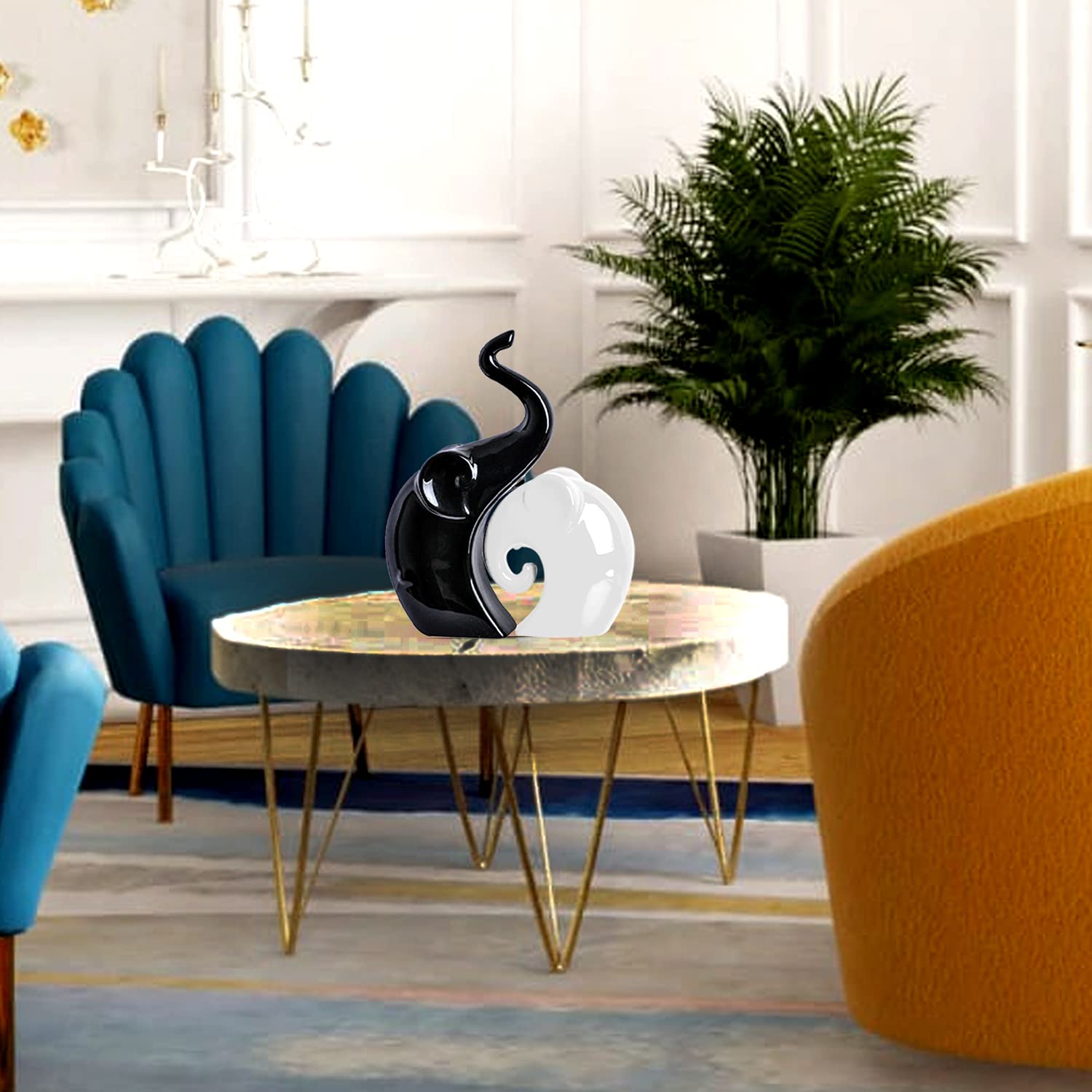
Think of your small living room like a tiny country — it can have different regions! The trick to making a living room and dining area coexist peacefully (like roommates who actually like each other) is zoning. You don't need a wall or even a room divider to separate these two areas. Use a rug to anchor your seating area and another one under the dining table — voilà, two zones! You can also use the back of your sofa as a subtle visual boundary between the living and dining spaces. With the addition of modern design statues as decorative pieces to these zones, you enhance their aesthetics seamlessly. Placing your sofa facing away from the dining area and toward the TV creates a natural division that feels intentional, not accidental. It's basically interior design magic, and you don't even need a wand.
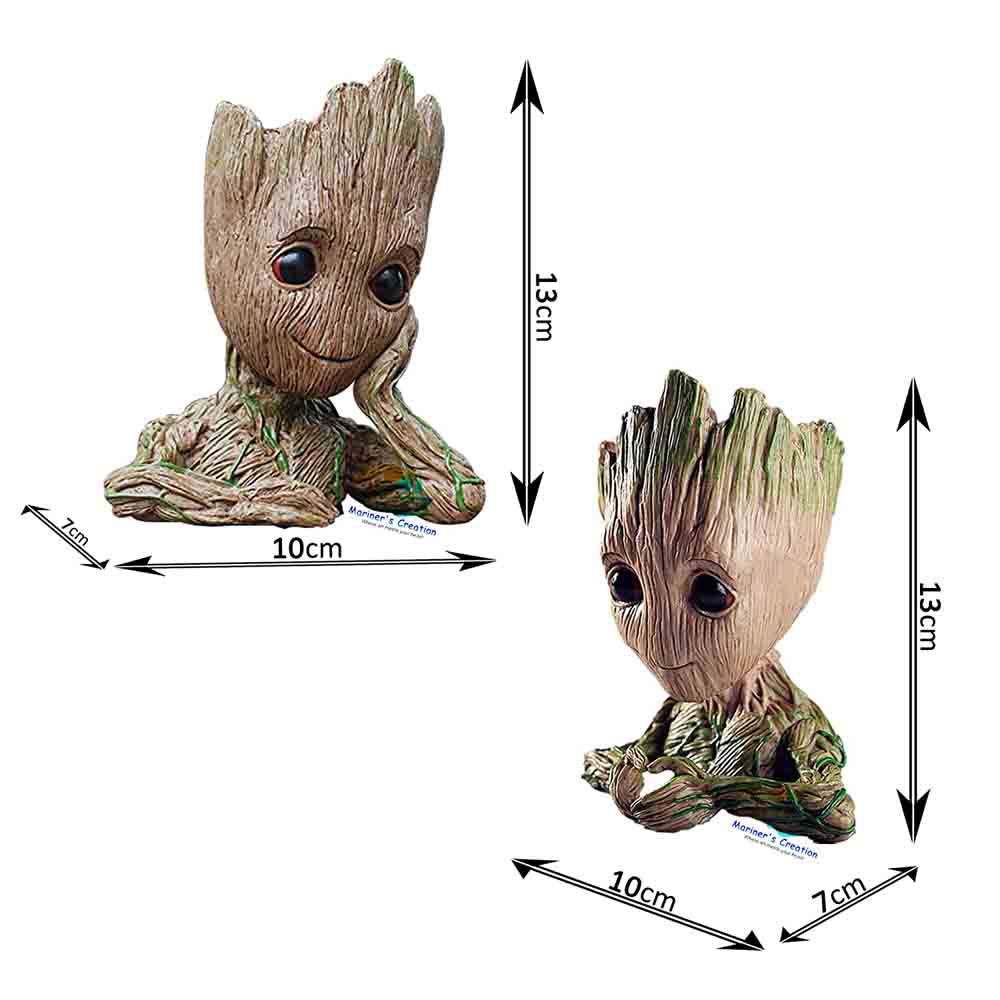
Let's be honest — in a small living room, the TV is basically royalty. Everything else arranges itself around it. So placing your TV thoughtfully is crucial. Wall-mounting your TV is an absolute game-changer for small spaces. Not only does it free up floor space, but it also creates that sleek, modern look that makes guests think you hired a professional designer (your secret is safe with us). Consider using small items suitable for vertical column of TV unit to add character without taking up space. If wall mounting isn't an option, a slim, low-profile TV console works beautifully. You can even use the corner of the room for a corner TV unit, which tucks your screen away neatly and opens up the central floor space. Pro tip: mount it at eye level when seated — your neck will thank you during those long Netflix marathons!
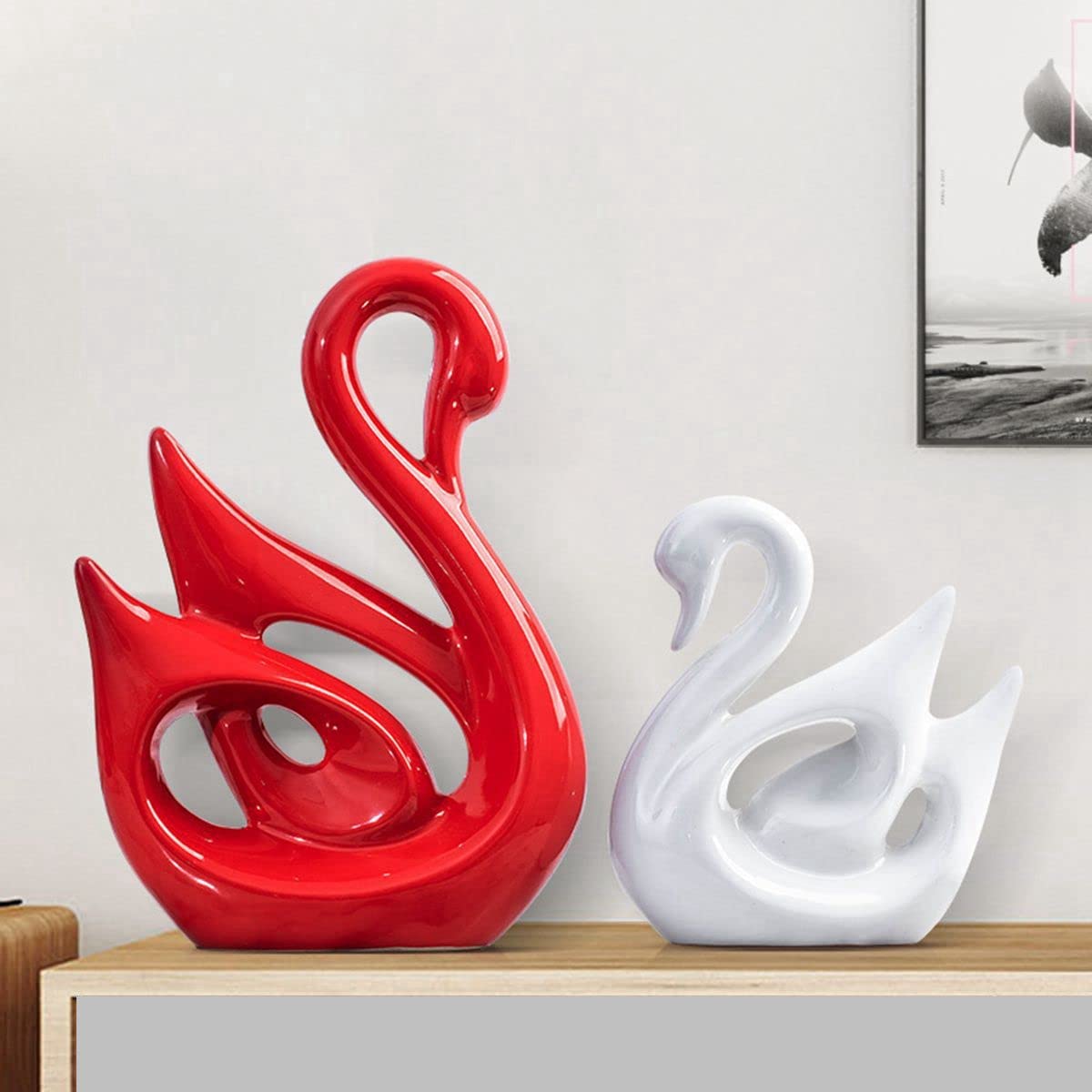
Choosing the right dining table for a small living room is like online dating — size, shape, and style all matter enormously! Round and oval tables are your best friends in tight spaces because they have no sharp corners to bump into at midnight (ouch!) and they allow more people to squeeze around them. If you're really short on space, a drop-leaf or extendable table is basically a superhero in disguise — it folds down when not in use and expands when guests come over. Complement these with abstract showpieces for dining ambiance that add personality to your dining space. A wall-mounted fold-down table is another brilliant option that literally disappears when not in use. Choose a table with a light finish or glass top to keep the space feeling open and airy rather than heavy and cramped.

The sofa is the heart of your living room, but in a small space, it can also be the biggest space-hog. Choose wisely! A sleek two-seater or a compact three-seater with slim arms and legs will feel far less bulky than a plush, overstuffed sectional (as cozy as those are, they're basically furniture black holes in small rooms). Sofas with exposed legs are a genius trick — they create a visual sense of space because the eye can see the floor underneath, making the room feel larger. Incorporate small decorative showpieces for small tables or shelving to add style without cluttering. If you absolutely love sectionals, look for a small L-shaped sectional that can tuck neatly into a corner and double as extra storage with built-in ottoman compartments. Sitting pretty just got practical!
When the floor runs out of room, it's time to look up! Vertical space is the most underutilized real estate in small living rooms, and it's completely free! Install floating shelves above the TV or dining area to store books, plants, and decorative items without taking up any floor space. A tall, slim bookcase can add storage while drawing the eye upward — making ceilings feel higher and rooms feel bigger. Consider artistic wall hangings for vertical column of TV unit that add flair and style. Use wall hooks for bags and accessories near the entryway. Even hanging curtains close to the ceiling (rather than just above the window) makes the room feel significantly taller. Your walls are basically a blank canvas, and it's time to paint your masterpiece!

Lighting in a small living room is like makeup — done right, it's transformative! A single overhead light is the equivalent of one-size-fits-all fashion — technically fine but not doing anyone any favors. Layer your lighting instead! Use a combination of floor lamps, table lamps, and pendant lights to create warmth and depth. Pair these lights with ceramic and resin vases for soft lighting accents to add an elegant touch. In the dining area, a pendant light hanging over the table not only defines the zone beautifully but also creates that cozy bistro ambiance that makes every meal feel a little more special (even if it's just Tuesday's leftover pasta). Mirrors are lighting's best friend too — place a large mirror opposite a window to bounce natural light around the room and make the space feel instantly bigger. It's basically interior design science!
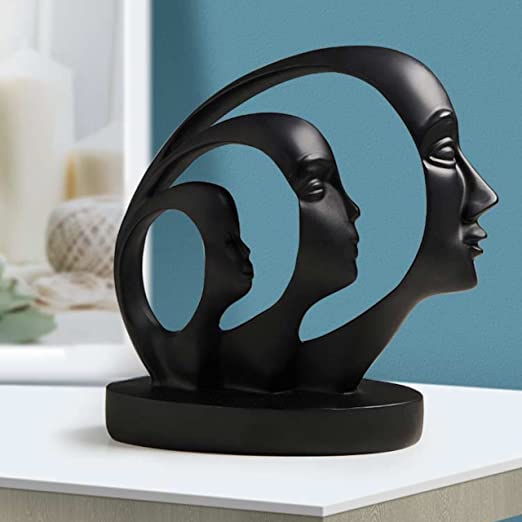
In a small living room, every piece of furniture should be pulling double — or even triple — duty. A storage ottoman that serves as a coffee table, extra seating, AND a place to stash your blankets? That's the MVP right there. Look for nesting tables that tuck together and can be pulled out when you have guests. A bar cart can do double duty as extra dining storage AND a stylish TV-side snack station (because popcorn needs a proper home too!). Combine the use of tall showpieces for corner spaces for style and function in such designs. Bench seating along the dining table can slide neatly under the table when not in use, taking up zero extra space. And a console table behind the sofa? It works as a room divider AND extra surface space for lamps, decor, or your favorite plant collection.

Color is the most budget-friendly design tool in your entire toolkit, and getting it right can make your small living room look twice the size — no sledgehammer required! Light, neutral colors like soft whites, warm creams, pale grays, and sage greens make walls recede and spaces feel larger. But don't be afraid of a little color! An accent wall behind the TV in a deep navy or forest green can actually make the space feel more intentional and designed. Keep it interesting by adding ceramic and resin vases in vibrant colors to tie both areas together. When you have a combined living and dining area, keeping a consistent color palette across both zones creates a sense of flow and makes the combined space feel cohesive rather than chaotic. Think of it as the tonal outfit — everything coordinates, nothing clashes.
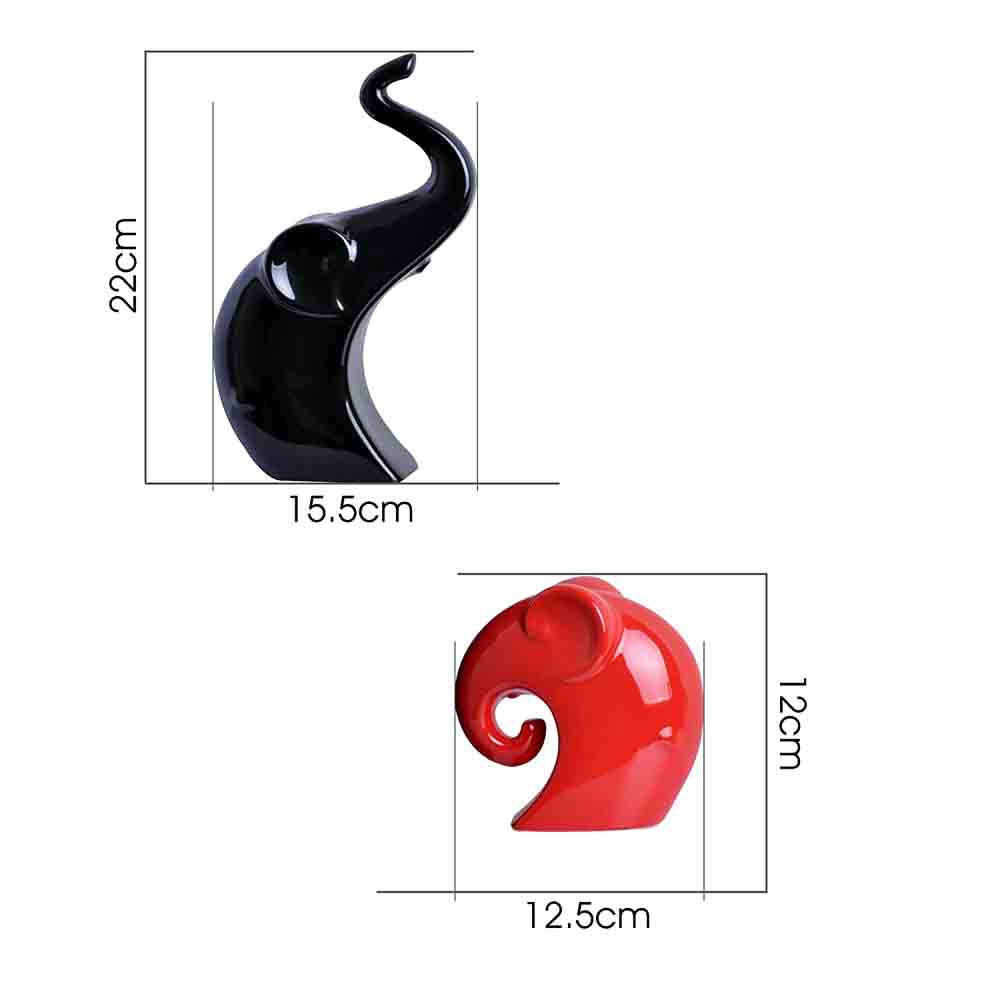
Rugs are doing so much heavy lifting in small living rooms that they deserve their own fan club! The right rug defines zones, adds warmth, and can even make a room look bigger — all at the same time. For your living area, choose a rug that's large enough to sit under at least the front legs of your sofa and chairs. Consider using small decorative showpieces for small tables to complement your rug choices beautifully. A rug that's too small floats awkwardly in the middle of the room like a small island in a big ocean — not a good look. In the dining area, ensure the rug is large enough so that chairs stay on it even when pulled out. Opt for low-pile rugs in small spaces as they're easier to maintain and feel less bulky. Light-colored rugs with subtle patterns are especially great for making small spaces feel open and bright!

Here's the unfiltered truth about small living rooms: clutter is the enemy. Every extra item you add to a small space competes for visual attention and makes the room feel smaller, busier, and more chaotic. Channel your inner Marie Kondo and ask yourself if everything in your living room truly sparks joy — or if it's just taking up precious real estate. Adopt the "one in, one out" rule for decorative items. Keep surfaces relatively clear and let a few statement pieces shine rather than covering every surface with a jumble of trinkets. Using artistic wall hangings and decor to neatly outfit your space can transform the overall ambiance. Hidden storage is your best friend here — ottomans with storage, TV consoles with cabinets, dining benches with lift-up lids. When everything has a home, your small space feels calm, curated, and surprisingly spacious.

Plants are basically the friendliest, cheapest design upgrade you can give to any small living room. A tall, slim fiddle-leaf fig or snake plant in a corner adds height, life, and color without taking up floor space. Small trailing plants on floating shelves add a boho charm that makes your space look effortlessly styled. Succulents and cacti on the dining table or windowsill add a low-maintenance pop of green. Beyond looking gorgeous, plants actually improve air quality and boost your mood — so they're basically doing more for your home than most furniture pieces. Just remember to water them (unlike that one sad plant on your desk you've been ignoring for three months — we've all been there).
Now for the fun part — styling! When your living room and dining area share the same open space, the key to making it look intentional is cohesion. Choose a consistent design theme — whether it's Scandinavian minimalism, boho chic, mid-century modern, or maximalist glam — and stick to it across both zones. Repeat colors, materials, and textures throughout. If your dining chairs have rattan backs, incorporate a rattan side table or lamp in the living area. If your sofa has blue accent cushions, echo that blue in a dining table centerpiece or artwork on the wall. It's like composing a song — when all the elements are in harmony, the overall effect is beautiful, and nobody notices the individual parts working hard behind the scenes.
Here's the thing about small living rooms — they have a superpower that big rooms often lack: coziness. There's something wonderfully intimate and warm about a compact space that's been thoughtfully designed. By combining smart furniture choices, clever zoning, strategic lighting, and a consistent color palette, your small living room with a TV and dining table can genuinely feel like the most welcoming spot in the world. You don't need square footage to have style. You don't need a mansion to have a home that feels luxurious. You just need a little creativity, a measuring tape, and maybe a few of the ideas from this blog — and your tiny space will be transformed into something truly magical. Now go rearrange that furniture and get ready to love your home all over again!
Dividing a living room and dining room combo is all about creating visual boundaries without actually building walls — think of it as the polite version of "your side, my side." The most effective method is using area rugs: one rug anchored under the sofa and seating area, and a separate rug under the dining table instantly signals two different zones. The back of a sofa floating in the middle of the room (rather than pushed against a wall) naturally creates a division between the two areas. You can also use a bookshelf, a narrow console table, or even a row of tall plants as a soft room divider. Pendant lighting above the dining table and a floor lamp in the living area help reinforce the separation through light. Consistent color palette across both areas keeps the whole space feeling connected rather than choppy, so it looks like two well-designed rooms that just happen to be best friends.
Making a living room cozy on a budget is honestly one of the most fun design challenges — it's like a treasure hunt where the prize is a room you love! Start with textiles: layering soft throw blankets, plush cushions, and a warm area rug instantly transforms any living room from "meh" to "oh wow" without breaking the bank. Thrift stores and discount home stores are goldmines for affordable cushions, frames, and decorative items. Lighting makes an enormous difference — swap out harsh overhead bulbs for warm-toned LED bulbs and add an inexpensive floor lamp for that golden-hour glow all day long. Candles (real or battery-operated) add instant warmth and ambiance. Rearranging your existing furniture costs absolutely nothing and can completely change the feel of a room. Add some low-maintenance plants from a local nursery, hang some printed photos or downloaded printable art, and suddenly your living room looks like it walked straight out of a home décor magazine — on a shoestring budget!
Making a small living room look bigger is basically an art form, and once you know the tricks, you'll feel like a design genius! First and most importantly — keep it light. Light paint colors on walls, light furniture finishes, and sheer window treatments that let natural light pour in all contribute to a spacious feeling. Mirrors are absolute magic in small rooms: a large mirror on one wall reflects light and the room back at itself, essentially doubling the visual space. Choose furniture with slim profiles and visible legs to let the eye travel across the floor uninterrupted. Avoid blocking windows or pathways with bulky furniture. Use vertical space with tall shelving to draw the eye upward. Keep clutter to a minimum because visual noise makes any room feel cramped. Stick to a consistent color palette throughout — too many competing colors make a space feel busy and small. Finally, choose a large-scale piece of artwork rather than lots of small ones — one statement piece feels more expansive than a jumble of tiny frames.
Arranging furniture in a small living room with a TV requires a little strategy — think of yourself as a chess player making deliberate, considered moves! Start with the TV: wall-mount it to free up floor space and position it so it's viewable from the main seating area without requiring anyone to crane their neck. Place your sofa directly across from the TV as the anchor piece — if the room is tiny, push it slightly against the wall to maximize floor space (just leave a few inches for airflow and to avoid that "furniture store showroom" look). Flank the sofa with a small side table on one end rather than large armchairs if space is tight. If you want additional seating, opt for armless accent chairs or small poufs that can be tucked away when not in use. Keep a clear pathway from the front door through the room — at least 36 inches of walkway makes a room feel functional and uncluttered. Position the dining table near a wall or in a corner to keep the central floor space open, and make sure chairs can be pulled out comfortably without hitting the sofa. When everything has a clear purpose and a clear path, even the smallest living room feels thoughtfully designed and surprisingly spacious.


