
Cart
Living in a shoebox apartment? Got a room so small your echo needs to duck? Don't worry! Your tiny space can still have massive personality without requiring a massive wallet. Whether you're in a cozy studio apartment or a bedroom that's more "intimate" than "spacious," I'm about to show you how to transform your little corner of the world into a Pinterest-worthy paradise. Let's squeeze every inch of awesome out of your small space without squeezing every penny from your bank account!
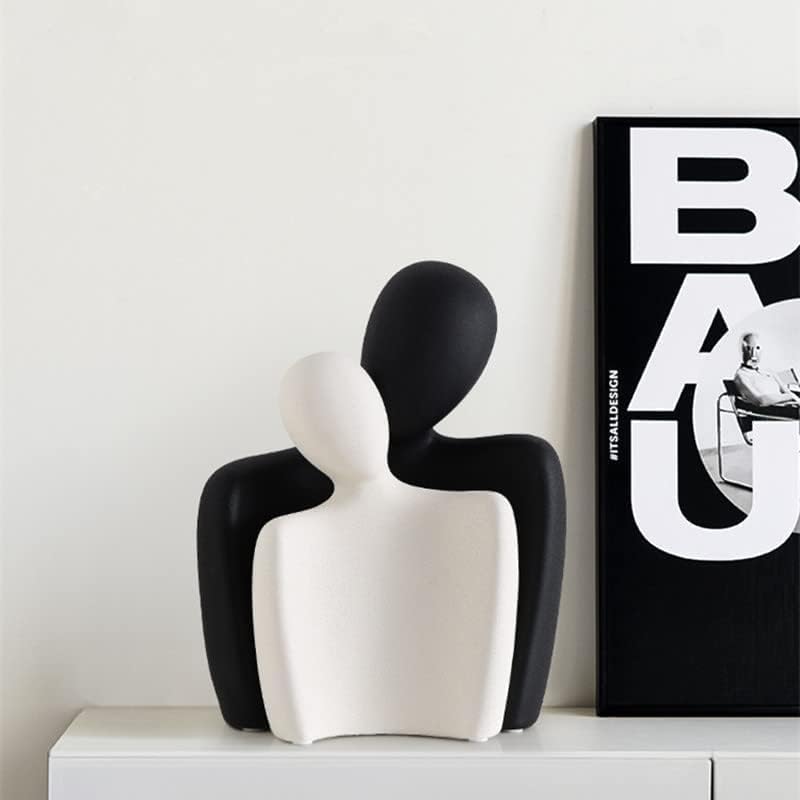
Tiny spaces call for furniture with identity issues – in the best possible way! Look for pieces that can't make up their mind about what they want to be. That coffee table that's also a storage bin? Perfect! An ottoman that works as extra seating, a footrest, AND a table when you put a tray on top? Yes, please! These multitasking marvels are like getting three pieces of furniture while only paying for (and fitting in) one. My personal favorite? Beds with drawers underneath – because who doesn't need a secret place to hide snacks and last season's impulse purchases? For added charm, consider pairing your setup with abstract showpieces for small room decorating ideas to give your multifunctional furniture some artistic flair without consuming space.
Mirrors aren't just for checking if you've got spinach in your teeth. They're actually magical portals that create the illusion of more space! Place a large mirror opposite a window, and suddenly you've got twice the natural light and a room that feels twice as big. It's basically square footage sorcery. You can find budget-friendly mirrors at thrift stores, yard sales, or even just grab that full-length one that's been leaning against your wall since you moved in and finally hang it up! Your tiny space will thank you by looking significantly less tiny. Complementing mirrors with modern design statues to amplify small space aesthetics can further boost the perception of size and add a sculptural statement.
When your floor space is more limited than tickets to a Taylor Swift concert, it's time to look up! Your walls are prime decorating real estate just waiting to be developed. Floating shelves, wall-mounted plants, and vertical storage solutions turn unused wall space into functional storage that doesn't eat up precious floor space. Plus, drawing the eye upward creates the illusion of height. Just remember: secure everything properly unless you want your "avant-garde" decorating style to include randomly falling objects! Adding artistic wall hanging pieces for vertical decorating ideas can turn a bland wall into a gallery of character and charm.
Nothing transforms a space faster or cheaper than paint. A light color on the walls can make your room feel more expansive than David Copperfield's magic tricks. For renters, ask your landlord about painting (many will say yes if you choose neutral colors) or use removable wallpaper. Still a no-go? Paint some second-hand furniture instead! That sad $15 thrift store side table can become your room's statement piece with just a can of bold-colored paint and an afternoon of DIY spirit. Accentuate your corner with a colorful ceramic vase idea for budget room decoration to bring together your refreshed palette.
Thrift stores, flea markets, and Facebook Marketplace are the Disneyland of budget decorating. That vintage lamp someone's grandmother didn't want anymore? It's about to become your room's conversation piece for $8.99! The key is looking past the current state of items to their potential. That weird wooden thing could be spray-painted gold and suddenly look like expensive modern art. Remember: weird + paint = "eclectic designer piece." Just be sure to clean everything thoroughly – you want vintage charm, not vintage germs. Spruce up your finds with resin showpieces perfect for small apartment design ideas that bring a modern yet earthy vibe.
Here's a shocking revelation: the cheapest way to make your space look better is to get rid of stuff! I know, revolutionary concept. But seriously, clutter makes small spaces look like organized chaos at best and a hoarder's training ground at worst. Be ruthless – if you haven't used it in a year and it doesn't bring you joy (thanks, Marie Kondo!), it's time to say goodbye. Your remaining possessions will thank you for giving them room to breathe, and suddenly your small space will feel intentional rather than overcrowded. Reward your decluttered space with minimalist corner pieces ideal for tight room settings to create stylish focal points without adding clutter.
Textiles are the secret weapon of budget decorating. New bedding, a few throw pillows, or a colorful rug can completely change your room's vibe without renovating or buying big furniture. Look for sales, or better yet, learn the ancient art of pillow cover swapping – keep the same inserts and just change the covers seasonally. As for rugs, they're not just for comfort – they define spaces and add color. In a studio apartment, a rug can magically create a "living room" out of thin air, no walls required! We recommend combining your textiles with decorative wall hangings for cozy small spaces to bring depth and character to your walls.
Plants add life to any space (literally), and they don't have to cost a fortune. Start with hardy, hard-to-kill varieties like pothos or snake plants (perfect for those of us with accidentally murderous thumbs). Propagate from friends' plants for free greenery, or check out plant swaps in your area. Can't keep anything alive? High-quality fake plants have come a long way from your grandmother's plastic ferns. Just dust them occasionally so they don't become dead giveaways! Pair your greenery with ceramic pots and small modern decor for stylish greenery to make even your fake plants look editorial-worthy.
Overhead lighting is the fluorescent enemy of cozy spaces. Instead, create ambiance with multiple light sources at different heights. Floor lamps, table lamps, and string lights create warm pools of light that make even the smallest space feel intimate rather than cramped. Check thrift stores for lamp bases you can update with new shades. And never underestimate the transformative power of fairy lights – they're not just for dorm rooms and Christmas trees anymore! Let your charming light corners glow beside tabletop décor ideas for budget lighting arrangements.
In small spaces, everything needs to earn its keep, including storage. Use pretty baskets to corral clutter (instantly making your random stuff look intentional), utilize under-bed space with rolling drawers, and embrace door-hanging organizers for everything from shoes to office supplies. The rule is simple: if it must be visible, make it attractive. If it can't be attractive, hide it. Your collection of charging cables and old birthday cards doesn't need to be on display, no matter how sentimental they might be. Tie it together with creative DIY decorating ideas using resin decor items to keep functionality stylish.
Art galleries for your walls can be created on any budget. Frame interesting fabric, pretty wrapping paper, or your own photography for instant wall candy. Print free vintage botanical illustrations or maps online. Create a gallery wall with thrift store frames painted the same color for cohesion. Or go really budget: washi tape geometric designs directly on the wall for removable, landlord-friendly "wallpaper." Remember, your walls should tell your story – even if that story is "I'm fabulous at decorating on a shoestring budget!" To elevate it further, use budget wall art ideas with mini decorative showpieces for extra zing.
There's a fine line between "cozy" and "claustrophobic," and in small spaces, that line gets even thinner. Embracing minimalist principles doesn't mean living in a stark white box – it means being intentional about every item you bring into your space. Ask yourself: "Do I love this? Does it serve a purpose? Does it deserve my limited square footage?" Being selective creates a curated look that feels purposeful rather than thrown together. Plus, buying fewer, better things ultimately saves money compared to constantly replacing cheap items that fall apart. Complement your decisions with minimal room decor using subtle finish ceramic items that blend elegance with space-efficiency.
Start by decluttering and deep cleaning – it's free and makes an immediate difference! Shop secondhand for furniture and accessories, repurpose items you already own, and DIY when possible. Focus your limited budget on high-impact changes like paint, lighting, and textiles. Remember, transforming a space isn't about how much you spend but about thoughtful choices and creativity!
The 3-5-7 rule is your color palette secret weapon! Choose 3 colors for large areas (walls, large furniture), 5 colors for upholstery and medium-sized elements, and 7 colors for accessories. This creates a cohesive look without becoming boring or chaotic. In small spaces, this rule helps prevent visual overwhelm – crucial when every inch counts!
Embrace scale-appropriate furniture (no oversized sectionals!), create a focused color scheme, and incorporate different textures to add depth without clutter. Use mirrors strategically, maximize natural light, and incorporate vertical storage. Most importantly, edit ruthlessly – in small spaces, each item should earn its place through function, beauty, or preferably both!
The 2/3 rule suggests that furniture should take up about two-thirds of the available space in any room. This leaves one-third empty, creating visual breathing room that prevents the space from feeling cramped. In small rooms, this might mean choosing a slightly smaller bed or sofa than you might in a larger space to maintain that crucial sense of openness.
The 50-50 rule balances visual weight in your space: 50% light elements and 50% dark elements. This creates dynamic contrast without tipping too far in either direction. In small spaces, this often translates to lighter walls (the 50% light) with darker furniture and accents (the 50% dark) to create depth without making the room feel smaller.
In small spaces, avoid oversized furniture, too many small decorative items (which create visual clutter), dark colors on all walls, blocking natural light sources, pushing all furniture against walls, and ignoring vertical space. Also steer clear of matching furniture sets – they make spaces look generic rather than personal. Finally, avoid the temptation to fill every inch of space – emptiness is not your enemy!


