
Cart
Let's face it – your drawing room might be smaller than your childhood dreams of owning a mansion, but that doesn't mean it can't look magazine-worthy! Small spaces are like that friend who's short but has the biggest personality in the room – they just need the right outfit to shine. Whether you're living in a cozy apartment that makes sardine cans look spacious or a starter home with a drawing room the size of a postage stamp, I've got your back with some seriously clever ideas that'll have your guests saying, "Wait, how did you make this place look so BIG?" So grab your measuring tape (and perhaps a glass of something nice), and let's transform your tiny drawing room from cramped to completely fabulous!
By adding Artistic Wall Hangings for Small Drawing Room Design Ideas to Maximize Style, even the tiniest space finds its personality expanded and elevated with modern charisma.
Listen up, small space warriors! If your furniture only does one job, it's not pulling its weight. Think of multi-functional pieces as the superheroes of your drawing room – by day, they're innocent ottomans, by night, they transform into storage bins hiding all your "stuff" (we won't tell anyone about those reality TV DVDs). Coffee tables with drawers, sofas that convert to beds for those friends who "just need to crash for one night" (and stay for three), or nesting tables that can spread out when company comes and tuck away when it's just you and your Netflix addiction. My personal favorite? Ottoman storage cubes that serve as seating, footrests, AND hide away the mountain of magazines you swear you'll read someday!
To enhance versatility in styling, incorporate Modern Decorative Accessories That Complement Multifunctional Furniture Ideas for that seamless blend of beauty and utility.
When floor space is as precious as the last cookie in the jar, it's time to look up! Your walls are basically untapped real estate just waiting for you to make a move. Floating shelves aren't just practical—they're like magic platforms that make your stuff hover beautifully while keeping floor space clear. Wall-mounted lights free up table space, and hanging planters bring greenery without sacrificing an inch of precious floor. And here's a pro tip that'll blow your mind: mount your TV on the wall and suddenly you've got space for that cute side table you've been eyeing. Your walls have been sitting there doing nothing but holding up your ceiling—it's time they earned their keep!
Complement this layout trick with Small Resin Wall Art for Vertical Drawing Room Decor in Compact Spaces, maximizing both height and artfulness with minimal intrusion.
Spoiler alert: it's the person who strategically placed mirrors in their tiny drawing room! Mirrors are basically magic portals that create the illusion of space where there is none (sadly, they won't actually transport you to a bigger apartment). Place a large mirror opposite a window and watch as it bounces light around like a disco ball and seemingly doubles your room size. Or go wild with a gallery wall of smaller decorative mirrors—it's like having windows to parallel universes that happen to look exactly like your drawing room! Just be careful not to create a hall-of-mirrors effect unless you want your guests feeling like they're in a carnival funhouse!
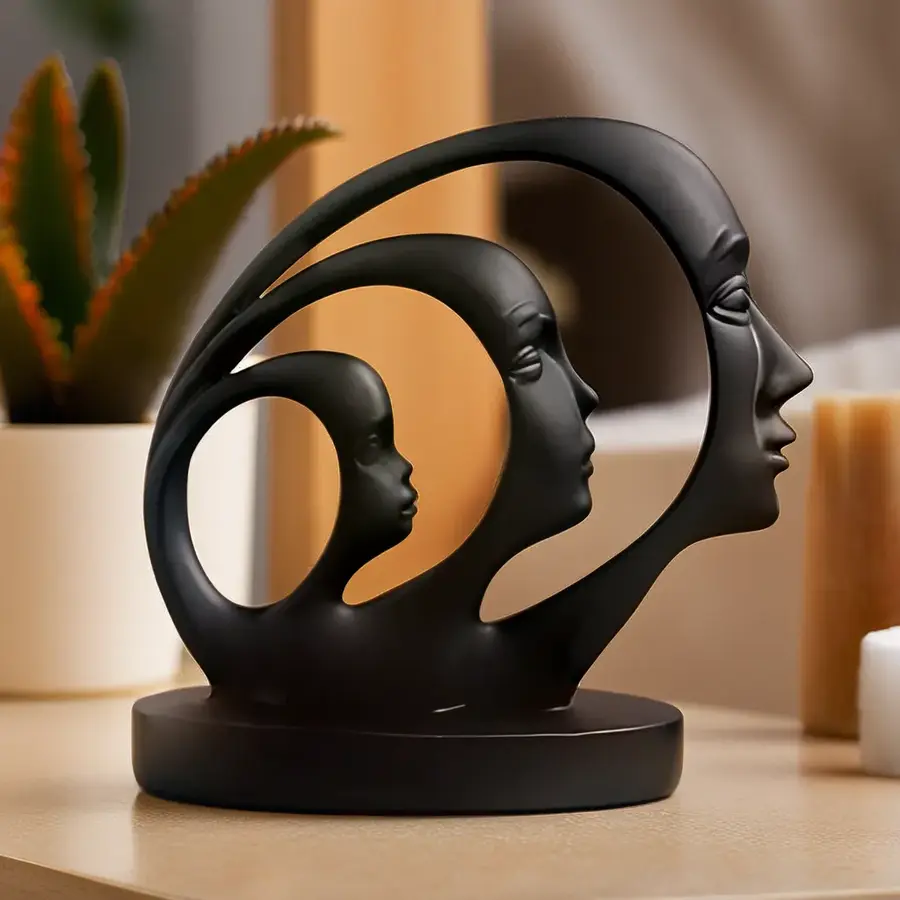
Accentuate the reflected light and aesthetic with Abstract Decorative Showpieces for Mirror-Enhanced Small Spaces that draw both reflection and attention across the room.
Forget what you've heard about mood lighting—when it comes to small spaces, more light equals more room (at least visually). Dark corners are where space goes to hide, so banish those shadows with strategic lighting at different levels. Think floor lamps that curve over seating areas, wall sconces that don't take up table space, and maybe even those string lights you've had since college (we can call them "ambient lighting" now that you're an adult). And please, for the love of all things stylish, ditch those heavy drapes! Let natural light pour in like it's liquid gold, and watch your tiny room transform from cave-like to cavernous. Well, maybe not cavernous, but definitely less cave-like!
Let that light dance over Glazed Ceramic Vases to Brighten and Open Up Small Drawing Rooms by reflecting charm without overwhelming the minimal space.
Remember that time you wore vertical stripes and everyone thought you'd grown two inches overnight? Your drawing room can pull the same trick! Light colors make walls recede visually, creating an airy, spacious feel. Think soft whites, pale grays, or those barely-there blues that remind you of fancy spa retreats. Want to get fancy? Paint your ceiling a shade lighter than your walls—it's like giving your room a visual lift without involving any actual construction. And if you're feeling brave, a strategic accent wall in a deeper hue can create depth and dimension. Just please, PLEASE avoid painting every wall a different bold color unless your design goal is "disorienting funhouse"!
Complement those soothing tones with Subtle Matte Finish Ceramic Statues for Space-Enhancing Room Accents, which blend harmoniously with airy palettes while anchoring warmth.
Here's a groundbreaking concept: the less stuff you have crammed into your drawing room, the bigger it will look! I know, mind-blowing, right? Channel your inner Marie Kondo and ask if that collection of commemorative plates from places you've never visited is really sparking joy—or just sparking dust. Be ruthless! That chair you inherited from your great-aunt that nobody ever sits in because it feels like being embraced by a cactus? It's time to say goodbye. Keep only what you love, use, or absolutely can't live without. Your drawing room will thank you by suddenly seeming twice as large, and you'll thank yourself when you can walk across the room without performing an obstacle course worthy of Ninja Warrior!
Use Small Tabletop Showpieces for Decluttered and Delightful Drawing Room Space to maintain a clean yet expressive aesthetic that doesn't suffocate your design.
That oversized sectional sofa you've been eyeing? It's like trying to fit a Great Dane in a studio apartment—technically possible but not recommended. Furniture that's proportional to your space is the secret sauce of small room design. Look for slim-profile sofas with exposed legs (they let light flow underneath, creating the illusion of more floor space), armchairs that don't engulf half the room, and coffee tables that don't require a hiking permit to get around. And remember: just because something is labeled "apartment-sized" doesn't mean it won't be comfortable! Think of it as buying clothes that actually fit rather than drowning in fabric that makes you look like you're playing dress-up in someone else's closet!
Balance function and fit with Medium Size Decorative Showpieces to Match Proportional Layouts, effortlessly styling scaled furniture zones.
Here's a counter-intuitive tip that'll blow your mind: pulling furniture slightly away from the walls can actually make a room feel larger! I know, it sounds crazy—like telling someone with a small bank account to spend money to save money—but trust me on this one. Creating even a tiny bit of space between your pieces and the wall creates a sense of depth and dimension. It's like the difference between a crowded elevator where everyone's pressed against the walls and one where people have just enough space to breathe without smelling what the stranger next to them had for lunch. Your furniture needs personal space too!
Try complementing this airy layout idea with Lightweight Artistic Showpieces for the Floating Furniture Look, which don’t crowd but add flair.
Whoever said small spaces can't handle bold patterns probably also thinks beige is a personality trait. The trick is using pattern strategically—like that friend who knows exactly when to tell a joke at a dinner party. A vibrant area rug can define your seating area while adding visual interest, while patterned throw pillows bring personality without overwhelming the space. If you're feeling adventurous, a wallpapered accent wall can create a focal point that distracts from the room's diminutive dimensions. Just remember to balance bold patterns with solid colors elsewhere, or your drawing room might end up looking like it's suffering from a severe case of pattern vertigo!
Bring this liveliness together with Colorful Resin Decorative Showpieces that Express Big Personality in Small Spaces without overpowering your palette.
Even the smallest drawing room can wear multiple hats with the right zoning strategy! Use area rugs to visually separate your "sitting area" from your "reading nook" (even if they're technically just three feet apart). A strategically placed bookshelf or open shelving unit can act as a room divider without blocking light or making the space feel closed in—it's like having walls without actually having walls! Different lighting in each zone further emphasizes their distinct purposes. Your guests will be amazed at how you've created a whole mansion's worth of functionality in a space barely big enough to do a cartwheel in (not that you should try that—remember the decluttering we talked about?).
Define spaces elegantly with Creative Decorative Items for Mini Zones in Small Drawing Rooms that serve both functionality and flair.
Clear acrylic or glass furniture is basically the invisibility cloak of the design world—it exists without visually taking up space! A glass coffee table creates function without visual weight, while acrylic side tables or chairs practically disappear, letting your eye travel through them to make the room feel more open. Plus, they're super easy to clean when you inevitably spill your wine while gesturing dramatically about how much bigger your drawing room looks now! Just a word of caution: limit yourself to a few transparent pieces unless you want your drawing room to look like you're expecting a visit from the Invisible Man and all his friends.
Pair it effortlessly with Translucent Resin Decor Accents for Weightless Visual Style and let your interiors breathe freely, no matter the square footage.
To make a small room look stylish, embrace multifunctional furniture that doesn't overwhelm the space, incorporate mirrors to visually expand the area, and choose a cohesive color scheme with lighter hues. Add personality through carefully selected statement pieces rather than numerous small accessories. Think quality over quantity—a few well-chosen, stylish elements will create more impact than a cluttered collection of so-so items. Finally, proper lighting at different levels (floor, table, and wall) will highlight your thoughtful design choices while making the space feel larger and more sophisticated.
Start by determining how you'll actually use the space—is it for entertaining, relaxing, or both? Measure your room and create a floor plan before purchasing furniture to ensure everything fits properly. Choose a color scheme that reflects your personality while enhancing the sense of space (typically lighter colors for small rooms). Invest in quality foundational pieces that are proportional to your room size, then layer in lighting, textiles, and accessories. Remember that good design evolves over time—start with the basics and add personal touches as you live in the space and understand how you naturally use it.
When designing a room with little space, make every inch count with multipurpose furniture (like storage ottomans or nesting tables) and pieces that are proportional to the room size. Utilize vertical space with wall-mounted shelving and sconces. Create the illusion of more space with mirrors, light colors, and furniture with exposed legs that allow light to flow underneath. Keep the floor as clear as possible to maximize the sense of openness, and be ruthless about editing—in tiny spaces, clutter is your number one enemy! Finally, embrace the coziness of your small room by creating an intentionally intimate atmosphere rather than fighting against the limited square footage.
Styling an empty room is all about building layers—start with the largest elements first. Begin with your main furniture pieces positioned according to function and flow. Add an area rug to define the space and anchor your furniture arrangement. Incorporate different lighting sources (overhead, task, and ambient) to create dimension. Then add window treatments that complement your design style while maximizing natural light. Finally, layer in accessories like art, pillows, throws, and a few meaningful decorative objects to add personality. Remember that negative space is actually valuable in design—not every inch needs to be filled!
Effective space planning starts with measuring your room's dimensions and creating a scaled floor plan (you can use graph paper or digital tools). Mark permanent features like doors, windows, and outlets. Determine the room's primary purpose and create zones for different activities if needed. Allow for proper traffic flow with at least 30-36 inches for walkways. Position your largest furniture pieces first, ensuring they're proportional to the room. Keep furniture arrangements conversational (seating should generally face each other) and positioned to take advantage of focal points like windows or fireplaces. Remember to consider both function and visual balance—sometimes the most practical arrangement isn't the most aesthetically pleasing, so find the sweet spot between the two!


