
Cart
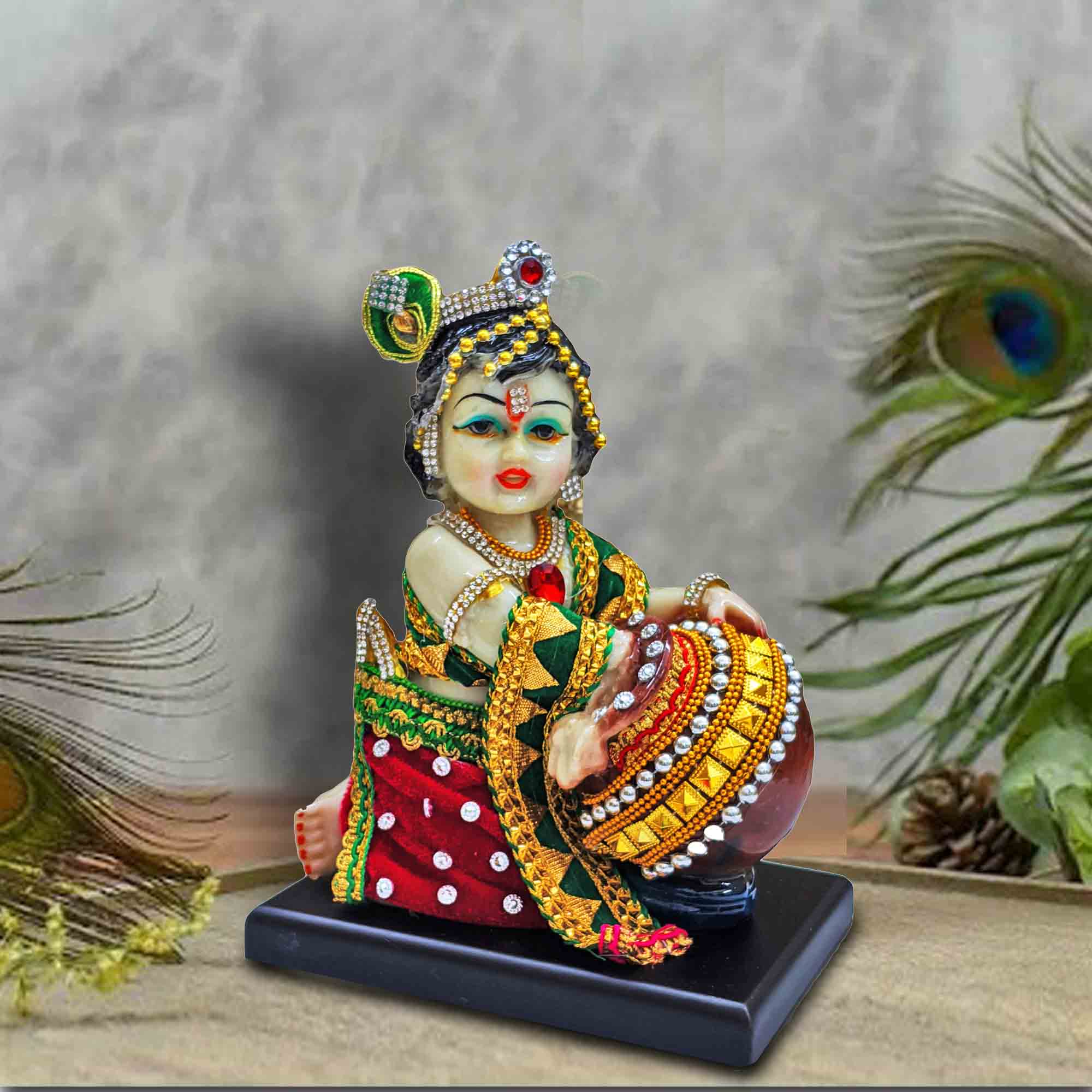
So, you've got yourself a south facing home and now you're wondering where to put that all-important pooja room without accidentally upsetting the cosmic balance of the universe. No pressure, right? Well, breathe easy, my friend! While traditional Vastu texts might give south facing homes a bit of side-eye, modern Vastu experts have totally figured out how to make your southern orientation work beautifully—especially when it comes to your sacred space. Think of Vastu less like a strict teacher and more like that friend who helps rearrange your furniture to make your living room feel "just right." Today, we're going to dive into the fun world of pooja room planning that'll keep your home blessed and your energy flowing smoother than your favorite ghee on hot chapatis! To elevate the spiritual ambiance, many homeowners opt for a Stunning Ganesh statue as spiritual decor for Vastu harmony in south facing homes. Its subtle design and balanced energy blend beautifully with the divine setting.
If your south facing house was on a dating app, its perfect match would definitely be a north-east pooja room! The north-east corner (also adorably nicknamed the "Ishan kona") is basically the VIP section for divine energy. It's like the cosmic equivalent of front-row concert tickets! This direction is associated with Jupiter and water elements, creating the perfect environment for meditation and spiritual connection. Plus, placing your pooja room here means morning sunlight will naturally illuminate your sacred space—talk about a divine spotlight! Just imagine starting your day with the sun's rays hitting your deities like nature's own Instagram filter. Spiritual #nofilter vibes guaranteed! And to make this sacred spot more serene, consider adding a Ceramic Ganesh murti for pooja decor in northeast Vastu setup, ideal for small shelves and prayer altars.
Sometimes your house layout looks at your Vastu plans and says, "That's cute, but no." If the north-east corner is already occupied by something unmovable (like that bathroom that would cost your life savings to relocate), the east direction is your next best friend! The east represents new beginnings and is associated with the sun god—basically the universe's way of saying "rise and shine!" to your spiritual practice. An east-facing pooja room catches those first morning rays, perfect for those early morning prayers when you're still trying to remember if you're awake or just dreaming about being awake. Add to this divine space a Wooden tray Ganesha showpiece for sunrise-aligned east pooja setup, blending natural textures with serene prayers.
Let's be real—sometimes our homes come with limitations that even the most determined Vastu enthusiast can't overcome. If north-east and east aren't options, west direction can work as your plan C. Think of it as the bronze medal of pooja room directions—not quite gold, but still on the podium! The west is associated with Lord Varuna (water god), so incorporating water elements like a small fountain nearby can enhance the energy. Just remember: with a western pooja room, you might want to add extra lighting since you'll miss out on that natural morning sunlight that makes your deities look like they're ready for their celestial close-up. A Traditional Ganesh murti for west-placed pooja decor with water features can brighten dull corners and anchor healing presence.
Can we put a pooja room in the south? Well, that's like asking if you can put pineapple on pizza—some experts will gasp in horror while others will shrug and say "why not?" Traditional Vastu generally advises against it since south is associated with Lord Yama (death) and fire element. But modern practitioners have found workarounds! If south is absolutely your only option, place Lord Ganesha in the northwest corner of your pooja room and add cooling elements like silver or copper items. It's like putting the spiritual AC on to balance that fiery south energy! Enhance your adjustments with a Metallic Ganesha statue to balance energy in south-facing pooja rooms, offering charm and calm in powerful finishes.
Now that we've sorted the location drama, let's make your pooja room Instagram-worthy (though I'm pretty sure the gods care more about your devotion than your décor). Wooden platforms for your idols are a big yes—think of them as divine pedestals! Choose light colors like white, yellow, or light blue for the walls to create a peaceful vibe. And here's a fun tip: position your idols so you face east or north while praying—it's like the spiritual equivalent of finding your best angle for selfies! Add a small bell (the original notification sound) and some fresh flowers daily, and you've got yourself a pooja room that even picky deities would double-tap. Accentuate this vibe with a Modern resin Ganesha idol for stylish and serene pooja room decor, suitable for compact prayer corners.
Your pooja room door is basically the red carpet entrance for divine energy! Two-door entrances are considered super auspicious—like having a VIP access point for the gods. If possible, doors should open inward and toward the north or east—never south! And please, for the love of all things sacred, avoid sliding doors for pooja rooms. The gods prefer a proper entrance, not something that reminds them of supermarket automatic doors. Also, keep that threshold slightly elevated from the rest of the house—it's like giving your sacred space its own little stage! Flank this entrance with a White Ganesha idol for pooja doorway positivity and purity to truly invite grace and harmony.
Lighting in your pooja room is crucial—after all, no one likes to squint during spiritual moments! Natural light is best (another reason north-east corners rock), but since you can't exactly ask the sun to stick around 24/7, opt for warm yellow lights rather than harsh white ones. It's like choosing between a cozy café ambiance and hospital waiting room vibes—easy choice, right? Oil lamps or diyas add that traditional touch that electric lights just can't match. Think of them as the vinyl records in our digital age—less convenient but infinitely more soulful! Pair this lighting plan with a Glazed ceramic Ganesha statue suited for light-filled devotion corners to radiate timeless charm.
Your south facing house already has strong fire energy (thanks, southern sun!), so your pooja room needs to balance things out. Add a small silver or copper vessel of water to introduce the cooling water element. Earth elements like clay diyas or natural stone idols help ground the energy. For air element, keep the space well ventilated—divine beings appreciate fresh air just like we do! And for space element, avoid cluttering your pooja room with too many items. Even gods need their personal space, you know? It's like spiritual feng shui—everything in harmony makes for happy deities! Complement this balance with a Vastu-approved small Ganesh statue for elemental harmony in pooja room, great for compact and sacred display zones.
Colors in your south facing house can make or break the Vastu vibe! For pooja rooms, white is always a classic choice—like the spiritual equivalent of that perfect white shirt that goes with everything. Light yellows and blues create peaceful energy, while reds and blacks are a big no-no (save those for your edgy living room makeover). For the exterior of south facing houses, opt for cooling colors like white, light blue, or green. It's like putting your house in a refreshing mint outfit during a hot summer day—both practical and stylish! Incorporate a Color-matching Ganesha statue to enhance pooja room color energy for a cohesive and calm spiritual spot.
Every direction has ruling planets, and in Vastu, we can use this cosmic information to our advantage! For south facing homes, place a small pyramid in the south-west corner to pacify the strong energies. Keeping a small piece of yellow sapphire (Jupiter's gem) in your pooja room can enhance positive energy. You could also place images of Lord Vishnu or Goddess Lakshmi facing north for prosperity. Think of these as your home's spiritual accessories—like the perfect jewelry that completes your outfit but with cosmic benefits! You can also include a Symbolic Ganesha murti to align with Vastu planetary energies, a smart, lightweight piece perfect for shelf placement.
Here's a modern-day Vastu question: Can your pooja room and home office share space in your south facing house? Ideally, keep electronic devices away from your sacred space—it's hard to connect with divine energy when your laptop is pinging with work emails! If space constraints make separation impossible, use a room divider or curtain to create boundaries. Think of it as creating a spiritual DMZ between your work life and spiritual life. And please, resist the temptation to check Instagram between mantras—even the most understanding deities might raise an eyebrow at that! Try placing a Compact Ganesh statue for focused pooja space in shared tech rooms to maintain the spiritual ambiance in modern living.
Having a south facing house isn't a Vastu disaster—it just needs some thoughtful adjustments! Remember that ancient Vastu principles were developed before modern architecture, so adaptation is key. Place your pooja room in the north-east if possible, keep your space clean and clutter-free, use appropriate colors and elements, and most importantly, fill your sacred space with genuine devotion. A pooja room created with love and positive intentions will always outshine even the most technically perfect but spiritually empty space. After all, the gods probably care more about the energy in your heart than whether your room is exactly 12 degrees northeast!
The best location for a pooja room in a south facing house is the north-east corner (Ishan kona). This creates a beautiful energy balance with your south facing entrance. If that's not possible, the east direction makes an excellent second choice, followed by the north or west. The south direction should generally be avoided for pooja rooms, but if you absolutely must use it, place Lord Ganesha in the northwest corner of the room and add cooling elements to balance the energy.
Sprinkle some good fortune on your south facing home by keeping the entrance clean and well-lit, placing a Tulsi plant in the north-east, installing a small water feature in the north or east, using cooling colors like white and blue for exteriors, hanging wind chimes near the front door, keeping a brass tortoise in the south-west corner, and ensuring your pooja room is properly positioned and maintained. Regular cleaning and clutter removal also keeps energy flowing smoothly—think of it as cosmic housekeeping that doubles as luck attraction!
Traditional Vastu advises against placing a pooja room in the south direction since south is associated with Lord Yama and fire element. However, if you have absolutely no alternative, modern Vastu experts suggest some workarounds: place Lord Ganesha in the northwest corner of your pooja room, use cooling colors like white and blue, add silver or copper elements, ensure excellent ventilation, and keep a small vessel of water to balance the fiery energy. It's not ideal, but with these adjustments, you can make it work—kind of like making the best of a bad hair day!
To neutralize Vastu imbalances in a south facing house, try these cosmic corrections: place a pyramid in the south-west corner, install a water feature in the north-east, use yellow sapphire (ideally blessed) somewhere in the home, hang pictures of positive deities like Lakshmi or Vishnu facing north, keep the south wall stronger and thicker than other walls, use cooling colors throughout the home, maintain cleanliness especially in the south and south-west areas, and ensure your pooja room follows proper Vastu guidelines. These adjustments work like spiritual shock absorbers for your home!
People with Moon signs (Rashi) of Cancer (Karka), Scorpio (Vrishchik), and Pisces (Meen) generally find south facing houses most compatible with their energy. These water signs naturally balance the fiery energy of south facing homes. Taurus (Vrishabha) and Capricorn (Makar) individuals may also do well. However, those with Aries (Mesh), Leo (Simha), and Sagittarius (Dhanu) Rashis—already fiery by nature—might find south facing homes intensify their energy too much, potentially creating imbalance. Remember though, your entire birth chart matters, not just your Moon sign, so consult an astrologer for personalized advice!


