
Cart
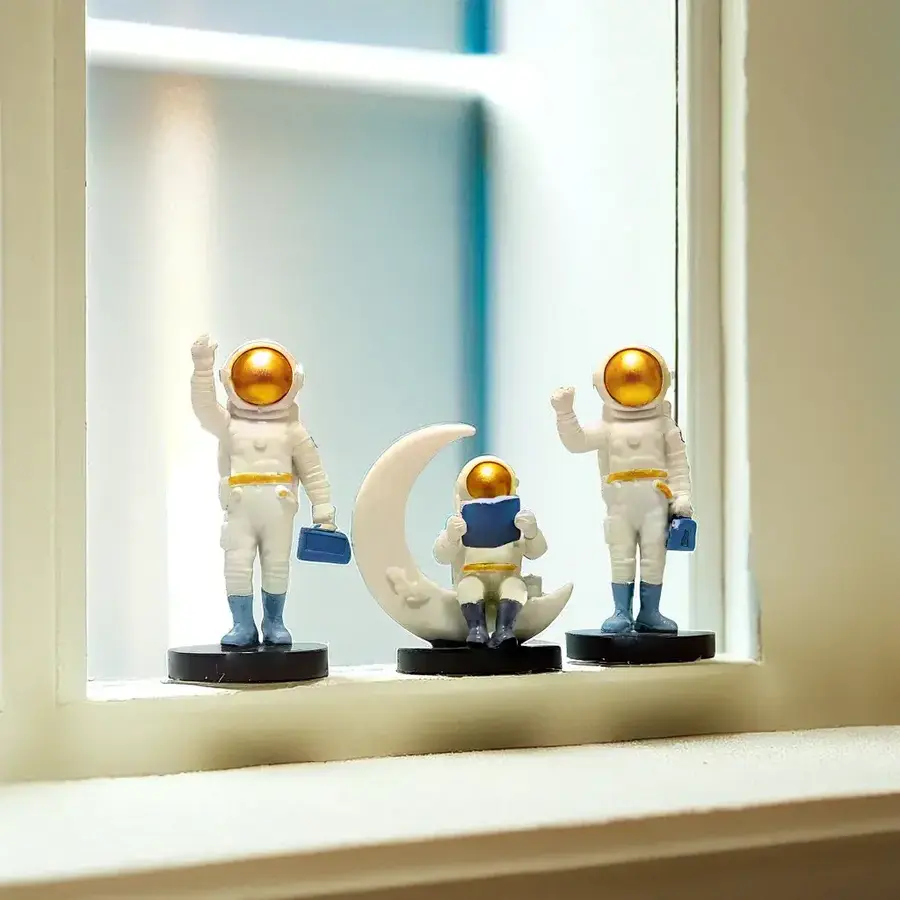
Let's face it—when two kids share one study space, it can quickly turn into World War III over territory rights ("She crossed the invisible line again, Mom!"). But before you consider building an extension or moving houses, I've got some sanity-saving solutions that won't require a second mortgage. Whether you've got siblings who love each other one minute and are throwing erasers the next, or you're just trying to create some semblance of personal space in a shoebox apartment, these budget-friendly room divider ideas will save the day—and your wallet!
Remember when you were a kid and your sibling's breathing was somehow the most annoying sound in the universe? Well, your children feel the same way during homework time. Giving each child their own defined territory isn't just about peace and quiet—it's about helping them develop independence, focus, and personal responsibility. Plus, let's be honest, it significantly reduces the number of "Mom, she's looking at me!" complaints you'll hear daily. Adding a Miniature abstract showpiece for kids' shared study space separation at each desk can help personalize and subtly reinforce territorial distinction without clutter.
Why buy a room divider when you can use something you probably already need? A tall bookshelf placed perpendicular to a wall creates an instant room divider that also solves the "where do we put all these books?!" crisis. IKEA's BILLY bookcase is a budget favorite (under $100), but don't overlook Facebook Marketplace or thrift stores where bookshelves are practically being given away. Pro tip: Let each kid decorate their side with their favorite colors or themes—one side can be galaxy-themed while the other rocks unicorns! Add a touch of personality with a Stylish ceramic tabletop showpiece for bookshelf dividers in kids' rooms to make the division more inspiring and stylish.
Curtains might be the cheapest, easiest way to divide a room, and they don't require an engineering degree to install! Grab a tension rod (about $10-15) and some inexpensive curtains (another $10-20), and voilà—instant privacy! The beauty of curtains is that they can be pushed aside when the kids are feeling cooperative, and drawn when one is practicing recorder while the other is trying to memorize multiplication tables. Choose different colors for each side, and you've also added some personality to the room! To accentuate each space, try adding a Modern wall hanging showpiece to accessorize curtain-based dividers that blends function with style.
Cube storage units are the Swiss Army knife of kids' rooms. Place a cube organizer sideways between two desks, and suddenly you've got a divider AND storage for books, supplies, and those weird collections kids accumulate (why does my son have seventeen pinecones?). At around $50-70 for a decent-sized unit, it's a budget-friendly option that grows with your kids. Bonus: add fabric bins in each child's favorite color to keep smaller items from migrating to the wrong territory. Infuse creativity by placing a Colorful small resin desk figurine for cube shelf dividers in a few compartments for a delightful aesthetic.
A folding screen is like having a superhero in your room design arsenal—it can appear whenever needed and retreat when not. Basic three-panel screens start at about $40, but here's where you can get creative: let the kids decorate their own panels with fabric, photos, or artwork. It becomes both a divider and a personalized gallery! And when they inevitably decide they want to completely rearrange their room (again), it's easy to move. You can also enhance it with a Tall tabletop ceramic showpiece for folding screen decor enhancements for a sophisticated and delightful look.
Remember those tri-fold project boards from science fair days? For about $5 each, they make excellent desk dividers! Have each kid decorate their own board, then place it at the back of their desk. It creates a distraction-free zone during homework time and doubles as a place to pin schedules, goals, and inspirational quotes like "Mom says I have to finish my math before I can play Minecraft." Consider strengthening focus further with a Calming resin Buddha head showpiece for desk divider inspiration placed right at the center of each desk.
Who says dividers can't be pretty? Create a whimsical separation by hanging string lights in a curtain pattern ($10-15) and adding some hanging plants (real or fake, depending on your black thumb status). It's an inexpensive way to create a visual boundary while adding some magical ambiance. Your kids will feel like they're studying in an enchanted forest instead of the corner of your spare room! Make it magical by including a Cute decorative table showpiece with lights and plants for playful separation to capture your kids’ imagination.
Sometimes the solution isn't adding something, but rearranging what you already have. Position two desks back-to-back in the center of the room, creating natural territories without additional dividers. Add a small shelf between them for extra privacy, and you've maximized floor space while minimizing sibling warfare. This arrangement costs exactly zero dollars if you already have the desks! Adding a Minimalist resin sculpture showpiece for back-to-back study desk style gives the middle space a cohesive and modern anchor to tie the arrangement together.
Never underestimate the power of visual boundaries! Use different paint colors or washi tape to create distinct zones in the room. A bold stripe down the middle of the wall, different colored rugs, or even ceiling-to-floor washi tape borders give each child their own visually distinct area without physical barriers. Total cost? About $30 for paint or $5-10 for decorative tape, and it's amazingly effective at helping kids respect each other's space. For even clearer visual anchoring, place a Silver finish wooden-style showpiece on the color-dividing shelf for extra charm and separation.
A ladder shelf ($40-60) creates a semi-open divider that doesn't block light or make the room feel smaller. Each child can use their side of the shelf for books, trophies, or those art projects you feel guilty throwing away. The graduated shelf design keeps the room feeling open while still creating separate zones—perfect for small spaces where claustrophobia is a real concern! Top it with a Functional abstract showpiece for shelf-based room dividers to blend style and personality.
Before you toss those old bi-fold closet doors during your renovation, consider giving them new life as room dividers! With some hinges to connect them and a fun paint job, they become a sturdy divider for around $20 in supplies (assuming the doors are free). Attach hooks to each side for headphones and backpacks, and you've created functional storage too. Place a Cute studying baby monk showpiece for closet door divider accent on a mounted ledge near the divider for a gentle and meaningful touch.
A standing pegboard divider costs about $40-60 to make and serves triple duty as a room divider, organizational system, and decoration spot. Each kid can customize their side with hooks for headphones, bins for supplies, and clips for artwork or schedules. It's like having a personal command center that also happens to keep your sibling's annoying humming from driving you bonkers. You can also include a Big ceramic statement showpiece for kids' pegboard room division at the base for visual weight and elegance.
Even with the best dividers, kids sharing a study space need some ground rules to maintain harmony. Create a simple chart for shared resources (like the printer or special markers), establish quiet hours, and make sure each child has a special item that's just theirs—whether it's a fancy desk lamp or a comfy chair. Remember, the goal isn't to build an impenetrable fortress, but to create enough separation that they can focus while still learning to coexist (a vital life skill, especially if they ever have college roommates!).
Dividing a small room for two kids is all about creating visual and functional boundaries without making the space feel cramped. Use vertical solutions like bookshelves, hanging dividers, or back-to-back desks. Establish different zones with rugs or color coding, and make sure each child has personal storage. Remember that lighting is crucial—each child should have their own task light to prevent shadows from your divider solution.
The absolute cheapest room divider is a tension rod with curtains (under $30 total) or a decorated tri-fold project board ($5-10). For slightly more investment, repurpose items you might already have—like bookshelves, clothing racks, or old closet doors. DIY options like a macramé hanging divider or a rope-and-fabric screen can cost less than $25 in materials and add unique character to the room.
When dividing a small room for siblings on a budget, multifunctionality is key. Choose dividers that also provide storage, like cube organizers ($50-70) or ladder shelves ($40-60). Use visual dividers like different colored rugs ($10-30 each) or paint ($30) to define spaces without physical barriers. Get the siblings involved in DIY projects like decorating cardboard dividers—it's cheap and helps them feel ownership of their space.
To effectively separate one room into two, start by mapping out the flow of the space—where is the door, window, and closet? Place your divider perpendicular to the longest wall, ensuring both sides have access to natural light if possible. Partial dividers like half-height bookshelves or hanging ceiling panels create separation without closing off the space entirely. For extra privacy, combine strategies—perhaps a bookshelf with curtains extending to the ceiling.
Absolutely! Siblings sharing a room is not only possible but can be beneficial for developing important social skills like sharing, compromise, and respect for others' belongings. The key to successful room-sharing is giving each child some personal space and ownership within the shared environment. Even a small personal shelf that's "off-limits" to the other sibling can help establish healthy boundaries. Many adults look back on room-sharing as a bonding experience—though they might not have admitted it at the time!


