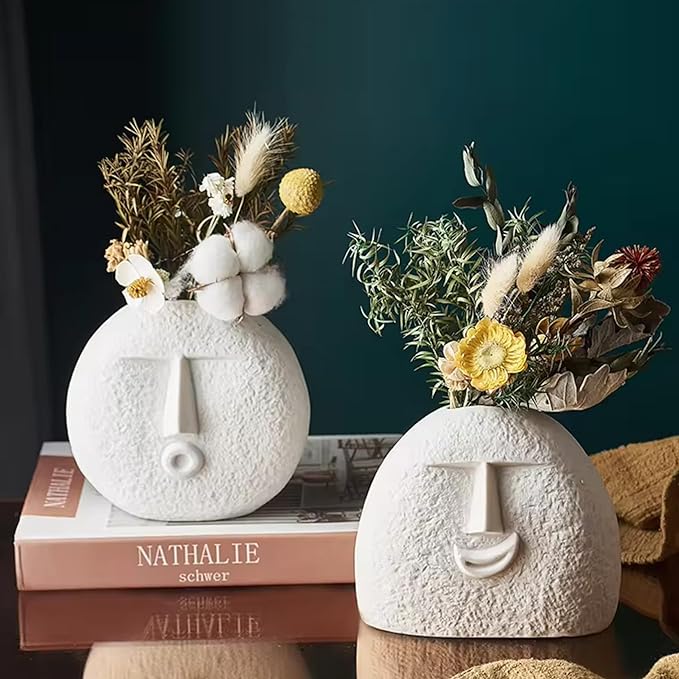
Indian kitchens have historically been treated as purely functional zones — hidden from guests, designed for efficiency, and rarely styled with intent. That is changing fast. Urban Indian homeowners in 2026 are treating the kitchen as an extension of the living space: open to sight lines, styled for Instagram, and layered with objects that carry personal meaning.
The driving force is architectural shift. More new-build and renovated apartments in Indian metros are adopting semi-open or fully open kitchen layouts, which means the kitchen is now visible from the living or dining area. A cluttered, bare-shelved kitchen is no longer a private problem — it is a visible design decision. This has accelerated demand for décor items specifically sized and engineered for kitchen environments: humidity-resistant, easy to clean, and proportioned for compact Indian kitchen shelves.
Moolwan's modern home décor collection includes a curated range of showpieces and accent pieces sized between 10–34 cm — precisely the range that fits on kitchen open shelves, window sills, and breakfast counters without overcrowding limited Indian kitchen footprints.
The all-white kitchen with stainless steel accents dominated Indian interior design for over a decade. In 2026, it is being replaced by warm terracotta, raw linen, sage green, and ochre tones. These palettes feel grounded, reduce visual fatigue in kitchens where long hours are spent, and align naturally with Indian cultural colour sensibilities. Décor objects in matte ceramic finishes in neutral earthy tones are among the fastest-moving kitchen accent categories in 2026.
Open shelves are no longer a storage hack — they are a design canvas. In 2026, curated open shelves featuring a mix of functional items (oils, jars) and intentional décor objects (small ceramic figurines, resin accents, mini sculptures) define a kitchen's aesthetic personality. The key word is curated: a shelf that looks designed, not accumulated. Moolwan's ceramic showpieces — engineered to tolerate humidity up to 85% RH and heat up to 60°C — are built exactly for Indian kitchen shelf environments where steam and warmth are constant factors.
Indian buyers in 2026 are moving away from mass-produced, identical-looking décor found in every mall. The demand is for objects that feel considered, crafted, and slightly individual. Artisan-style ceramic pieces with slight texture variation, handpainted resin accents, and matte-finish showpieces with visible craftsmanship signals are leading this shift. This is where manufacturer-direct brands like Moolwan have a structural advantage: no middleman markups, direct from the making unit to your kitchen shelf.
A single-material kitchen is considered dated in 2026. The new kitchen aesthetic layers materials — a stone countertop paired with wooden open shelves, displayed alongside ceramic objects and resin sculptures. This layering creates visual depth without the need for renovation. You can achieve it with décor alone. Explore Moolwan's modern luxury décor items for vases, statues, and sculptural pieces that complement stone-and-wood kitchen interiors beautifully.
The 2026 kitchen shelf is increasingly home to small-format sculpture — abstract or figurative pieces between 10–21 cm that create a focal point without taking over the counter. These work particularly well as a trio: varying heights, complementary textures, one matte and one glazed finish. Moolwan's small range (10–16 cm) is designed for exactly this purpose, with a weight range of 150–350g that makes repositioning and cleaning effortless.
Vastu considerations remain deeply relevant in Indian home design decisions in 2026. Kitchen Vastu typically favours south-east placement, and colour guidance leans toward red, orange, and earthy tones — which happens to align perfectly with the broader warm-palette trend. Objects with symbolic weight (birds, fish, abstract flowing forms) are popular kitchen décor picks for buyers who want their space to be both aesthetically and energetically intentional.
| Category | Out in 2026 | In for 2026 |
|---|---|---|
| Colour Palette | Cold grey, stark white, chrome | Terracotta, sage green, warm ochre, linen |
| Shelf Style | Closed cabinets, hidden storage only | Open shelving with curated décor + utility mix |
| Décor Objects | Mass-produced plastic or metal accents | Artisan ceramic, resin sculpture, matte-finish figurines |
| Material Approach | Single-material uniformity | Mixed materials: stone + wood + ceramic layering |
| Décor Scale | Oversized statement pieces or nothing at all | Small-format trios (10–21 cm) on open shelves |
| Cultural Signal | Westernised minimalism with no cultural context | Vastu-aligned tones, symbolic Indian motifs, artisan craft |
| Climate Fit | Imported décor not rated for Indian humidity/heat | Humidity-tolerant ceramics (up to 85% RH), heat-resistant finishes |
You do not need a new kitchen to have a 2026 kitchen. The fastest and most cost-effective way to modernise a kitchen's aesthetic is through shelf styling and surface accents. Here is a repeatable approach:
For bedroom-adjacent spaces or connected open-plan layouts, Moolwan's decorative items for bedroom carry the same material palette — making it easy to create a cohesive aesthetic flow from kitchen to living room to bedroom without buying from five different brands.
Moolwan is a manufacturer-direct D2C brand based in Bangalore, founded by Ruchi Malhotra, Founder & CEO of Euphorica Ventures Pvt Ltd. Every product is made in-house, which means no retailer markup, no third-party quality compromise, and no guessing on specifications. The brand was built specifically for Indian homes — because Indian kitchens are not European kitchens. They run hotter. They produce more steam. They have smaller square footage and higher daily use intensity.
Moolwan's ceramic showpieces carry a 92% clay composition with 5+ year rated lifespan, tested for humidity up to 85% RH and temperature resistance up to 60°C. These are not decorative specifications — they are the minimum threshold for surviving an Indian kitchen environment. Resin pieces, where applicable, use 94% purity epoxy resin rated to 60% RH with a 3H pencil hardness scratch-resistance rating.
Most imported and marketplace décor is not rated for these conditions. It fades, warps, or discolours within a monsoon season. Moolwan pieces are engineered to look the same in year three as they did on delivery day.
Warm earthy tones dominate Indian kitchen colour trends in 2026 — terracotta, sage green, warm ochre, and natural linen whites. These replace the cold grey and stark white palettes that led Indian interior design for the past decade. Vastu-aligned shades in the red-orange-earth family are particularly popular in Indian kitchen styling for 2026.
Artisan ceramic showpieces, small resin sculptures, and matte-finish figurines between 10–21 cm are the most popular kitchen shelf accent formats in 2026. Styling in trios — with height variation and mixed finishes (one matte, one glazed) — creates a curated rather than cluttered look. Climate compatibility matters: kitchen shelf objects must tolerate humidity and heat, which disqualifies most imported or low-grade marketplace décor.
Yes — open shelving is a defining feature of 2026 kitchen design, particularly in Indian homes with semi-open layouts. The key difference from older interpretations is intentional curation: open shelves in 2026 are styled like a retail display, not used as overflow storage. A mix of functional and decorative objects, with clear visual hierarchy, defines the 2026 open-shelf kitchen aesthetic.
Style one open shelf or window sill with a curated trio of décor objects in earthy tones, varying heights (small, medium, large format), and mixed finishes. Add a textured ceramic or resin piece as a colour anchor. This single change — achievable for under ₹2,000 — shifts a kitchen's visual tone more effectively than a paint job. The objects must be climate-rated for Indian kitchen humidity and heat to hold their appearance over time.
Moolwan accepts returns within 24 hours of delivery, provided the item is unused and in its original packaging. A 10% restocking fee applies, and refunds are processed within 15 working days. This policy applies across all décor categories including showpieces, ceramic accents, and resin pieces.
Quick View



