
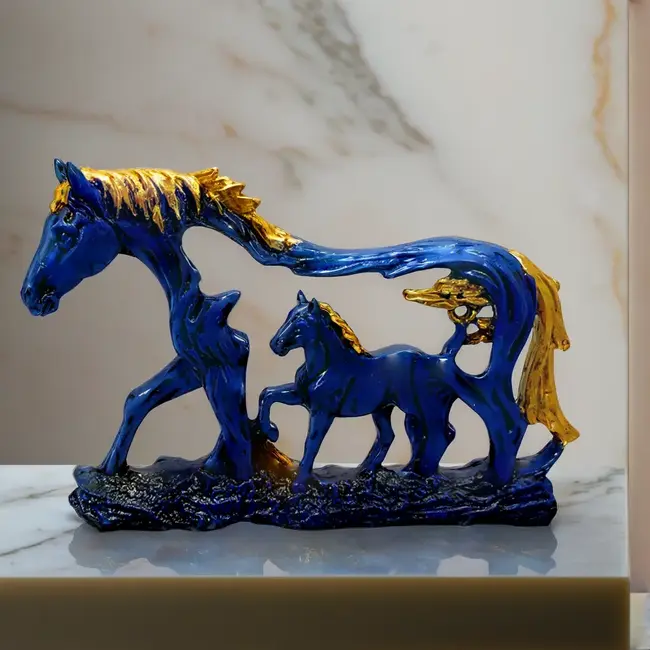
What are symbolic housewarming gifts?
We help design-conscious Indian families choose housewarming gifts that mean something — and stay beautiful for years. Moolwan (Euphorica Ventures Pvt Ltd), Bangalore, manufactures modern showpieces and décor in-house, so every piece is engineered for Indian climate conditions, not imported and repackaged.
Why symbolism matters in Indian housewarming gifts
In India, a housewarming — griha pravesh — is not just a celebration of a new address. It is a ritual marking the beginning of a family's next chapter. Gifts at this occasion are expected to carry intention. A vase is not just a vase; an elephant figurine is a prayer for prosperity. This cultural expectation transforms the gifting decision from aesthetic to meaningful, and it raises the bar for what you bring to the door.
Symbolic gifts also solve a practical gifting problem: they are universally relevant. You do not need to know the homeowner's taste in furniture or their paint colour palette. A symbol of good fortune translates across design styles — it works on a minimalist shelf, a traditional showcase, or a modern coffee table. This is why symbolic pieces are consistently chosen over consumable or purely functional gifts.
The challenge is finding a symbolic gift that is also durable. Many gifted showpieces crack within a monsoon season, fade in sunlight, or chip after a single drop. That is where material quality matters as much as the symbol itself. If you are browsing housewarming gifts for Indian homes at Moolwan, every piece is tested against Indian humidity, heat cycles, and the realities of apartment shelves.
The most meaningful symbols for an Indian new home
Not all symbols carry equal weight across India's diverse regions and communities. The table below maps the most commonly gifted symbols to their cultural meaning, ideal placement, and the buyer intent they serve — useful both for gift-givers and homeowners selecting their own décor.
| Symbol | Cultural Meaning | Ideal Placement | Best Material |
|---|---|---|---|
| Elephant (trunk up) | Strength, fortune, Vastu-positive energy | Entrance, main door shelf | Ceramic, resin |
| Ganesha | New beginnings, remover of obstacles | Puja room, living room focal wall | Ceramic, metal-finish resin |
| Lotus | Purity, growth, resilience | Coffee table, bedroom shelf | Resin, ceramic |
| Fish / Pair of Fish | Abundance, harmony, good luck | Living room showcase, kitchen windowsill | Ceramic |
| Peacock | Beauty, pride, prosperity; national symbol | Living room, dining area | Ceramic, canvas wall art |
| Tree of Life | Family roots, growth, continuity | Living room wall, hallway | Canvas wall art, metal frame |
| Laughing Buddha | Joy, contentment, wealth | Living room, study room | Resin, ceramic |
Placement matters as much as the symbol itself. A trunk-down elephant near the entrance, for instance, is considered inauspicious in Vastu — so the gifter's thoughtfulness extends beyond choosing the right symbol to selecting one that can be placed correctly in the home it is entering.
Which materials survive Indian homes long enough to be meaningful
A symbolic gift that chips after six months carries the wrong kind of message. Indian homes face conditions that imported or mass-produced showpieces are not built for: monsoon humidity that spikes above 80% RH in coastal and hill cities, summer heat crossing 40°C on west-facing walls, and the physical reality of frequent dusting and movement during festivals.
Moolwan's ceramic showpieces are made with a 92% clay composition, fired to withstand heat up to 60°C, and humidity-tolerant up to 85% RH — which covers even Kolkata and Mumbai monsoon peaks. They are 15cm drop-resistant, which matters in Indian kitchens and shelves that get bumped during cleaning. The glazed finish requires nothing more than a dry wipe. These are not decorative claims — they are the engineering specs behind every piece in Moolwan's modern home décor showpiece range.
Resin pieces offer a lighter alternative (150g–400g), with 94% epoxy purity and scratch resistance tested to 3H pencil hardness — meaning they survive keys, bangles, and the casual contact of a busy family shelf. Resin holds up in temperatures between 15–35°C and humidity up to 60% RH, which makes them ideal for air-conditioned living rooms and bedrooms rather than humid kitchens or bathrooms.
Canvas wall art, when the symbol warrants it — Tree of Life, peacock motifs, abstract mandalas — uses 340 GSM cotton canvas with eco-solvent UV-resistant inks, mounted on 1.5-inch kiln-dried pine frames with a moisture-resistant coating. This means the art does not warp, bubble, or fade even in Bangalore's erratic humidity or Delhi's dry-season heat.
Browse Moolwan's full range of curated housewarming gifts — ceramic showpieces, resin figurines, and canvas wall art, all manufactured in-house and priced factory-direct. Free shipping. Cash on delivery.
How to choose the right symbolic gift by size and budget
The most common gifting mistake is choosing a showpiece that is either too small to register in the new home or too large for the shelf it is meant to occupy. Indian apartments, particularly 2BHK and 3BHK flats built post-2010, have specific shelf and niche dimensions that most gift-givers underestimate.
Moolwan sizes symbolic showpieces into three clear tiers based on Indian apartment proportions:
- Small (10–16 cm): Ideal for bathroom shelves, study desks, or as a secondary accent on a larger showcase. Gifting budget: typically ₹400–₹900.
- Medium (16–21 cm): The sweet spot for living room showcase shelves and coffee table centrepieces. Visible without dominating. Gifting budget: ₹900–₹2,000.
- Large (25–34 cm): Focal-point pieces — entrance console tables, standalone display units, or as the centrepiece of a puja room shelf. Gifting budget: ₹2,000 and above.
If you are unsure of the homeowner's available shelf space, medium (16–21 cm) is the safest choice. It is substantial enough to feel like a considered gift and small enough to fit anywhere from a coffee table to a showcase. For wall art as a symbolic gift — particularly Tree of Life or peacock canvas prints — confirm the living room wall dimensions before buying. Moolwan's canvas art starts at 12×16 inches for accent walls and goes up to 24×36 inches for statement walls.
Need ideas on where specific symbols work best inside a home? Explore room decoration ideas and placement guides at Moolwan — each guide is built for Indian apartment layouts and lighting conditions.
Frequently Asked Questions
Is a Ganesha idol always appropriate as a housewarming gift in India?
A Ganesha idol is considered appropriate and auspicious across most Hindu households in India. However, for multi-faith or secular households, a more universally symbolic piece — such as an elephant figurine, a lotus showpiece, or a Tree of Life canvas — is a safer choice. When gifting outside your community, opt for symbols with cross-cultural positive connotations rather than specifically religious iconography.
What is the difference between a symbolic gift and a decorative gift?
A decorative gift prioritises aesthetics — it looks good but carries no specific cultural meaning. A symbolic gift carries an intended meaning (prosperity, protection, good fortune) that makes it appropriate for occasions like griha pravesh where intention matters. The best housewarming gifts combine both: a piece that is visually striking and carries a culturally resonant symbol. Moolwan's showpiece range is designed to satisfy both criteria without asking the buyer to compromise on either.
Can I gift canvas wall art as a housewarming gift, or is it too personal a choice?
Canvas wall art works as a housewarming gift when the motif is symbolic rather than highly specific in style or colour. A Tree of Life print, a peacock motif, or an abstract mandala are safe symbolic choices that work across interior styles. Avoid gifting heavily colour-specific or artist-specific prints unless you know the homeowner's palette and wall dimensions. Moolwan's canvas art uses 340 GSM cotton canvas with UV-resistant inks — so even if it goes into storage temporarily, it will not fade before it finds its wall.
How do I know if a ceramic showpiece will survive Indian climate conditions?
Check the clay composition and firing specifications. Moolwan's ceramic showpieces are built with 92% clay composition, heat-tolerant to 60°C, and humidity-resistant up to 85% RH — specifications that cover the full range of Indian coastal, hill, and plains cities. Most mass-market imported ceramics do not publish these specs because they are not tested for Indian conditions. If the product listing has no material data, that is a warning sign worth heeding before gifting something that is meant to last.
What is Moolwan's return policy if the housewarming gift arrives damaged?
Moolwan accepts returns within 24 hours of delivery for items that are unused and in original packaging. A 10% restocking fee applies, and refunds are processed within 15 working days. For gifts specifically, it is worth photographing the unboxing to document any transit damage and initiate the return request immediately. Moolwan ships all showpieces with protective packaging designed to prevent damage in transit.
Give a gift that carries meaning and holds up for years.
Moolwan's housewarming gifts are curated for Indian homes — ceramic, resin, and canvas pieces with climate-tested specs, symbolic designs, and factory-direct pricing.
Shop Housewarming Gifts at Moolwan


