A practical layering guide for Indian dining tables — from everyday runners to festive centerpieces — with sizing and material specs so your table never looks bare or overcrowded.
We help design-conscious Indian homeowners build dining tables that look styled on weekdays and celebration-ready on festival nights, without buying a separate set for each. The structure that works, table after table, is base, center, function — three layers stacked with restraint rather than one crowded arrangement.
The base layer sets the tone before a single object goes down. A table runner, a set of woven placemats, or a simple cotton dori mat protects the surface and gives every object above it a visual home. Indian dining tables see daily contact with hot vessels, turmeric stains, and oil splashes, so this layer should be washable and durable rather than delicate.
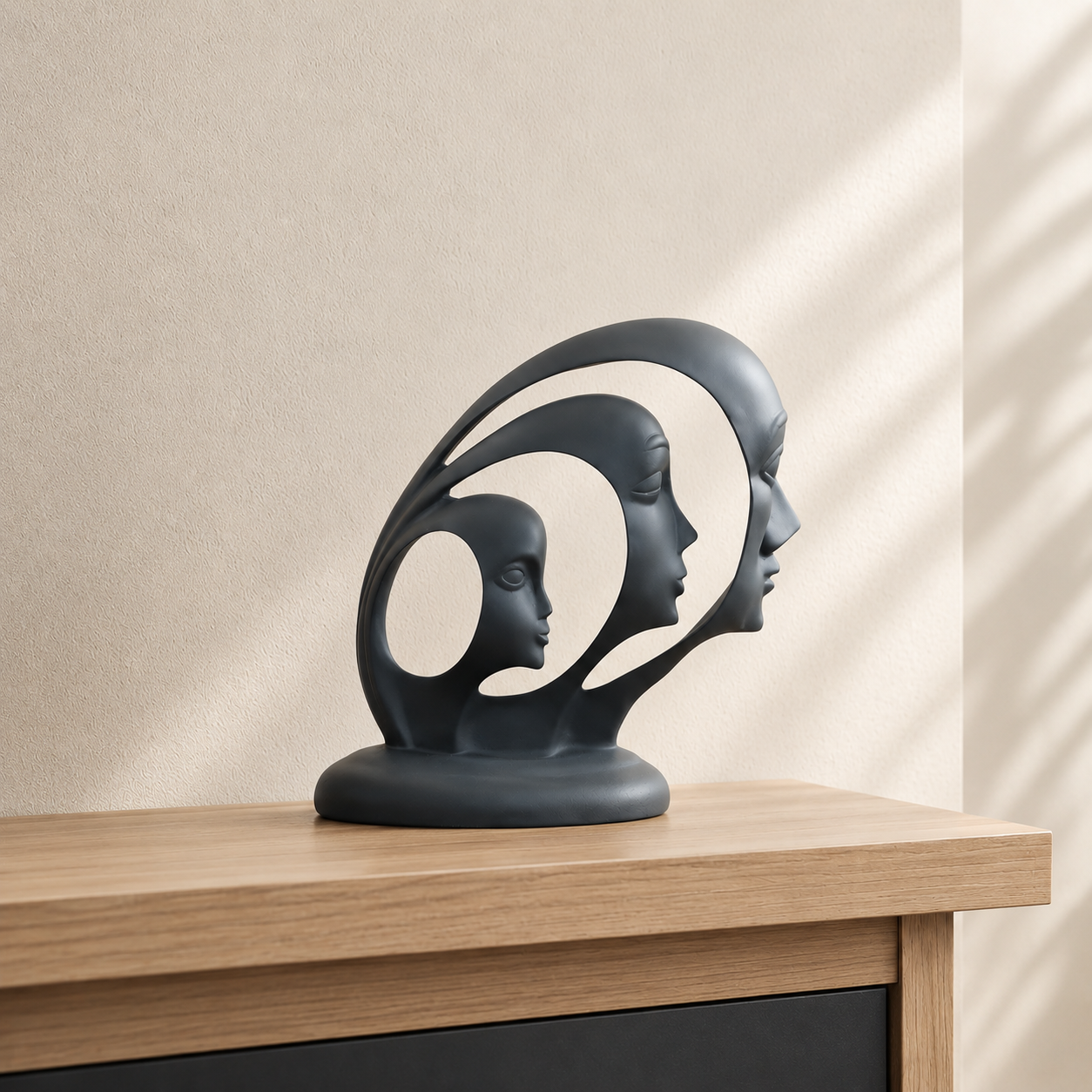
The centerpiece layer is where most tables go wrong — either left completely bare, which reads unfinished, or stacked with oversized decor that blocks conversation across the table. Moolwan's resin and ceramic showpieces are engineered specifically for this middle ground: medium-sized pieces between 16–21cm are the correct scale for a coffee table or dining centerpiece, tall enough to register as intentional decor, short enough that guests can still see each other while eating.
An everyday table needs less than you think — a runner, a single ceramic bowl or vase, and a set of coasters is enough. A festive table (Diwali, a wedding anniversary, a puja lunch) adds height and shine: a slightly taller resin showpiece as the anchor, brass or ceramic diyas flanking it, and fresh flowers or marigold strings woven along the runner. The base and centerpiece logic stays identical; only the scale and material finish change.
Cotton or jute, washable, sets the base layer
Ceramic bowl, resin figurine, or glazed vase
Protects finish, doubles as texture layer
Flanking the centerpiece for festive tables
Functional, keeps table settings tidy
Seasonal marigold, jasmine, or eucalyptus
What the Moolwan brand stands for is manufacturer-direct décor engineered for Indian humidity and daily-use durability — not imported pieces that crack or fade within a monsoon season. Moolwan sells ceramic showpieces, resin figurines, and canvas wall art directly from its own manufacturing unit, cutting out the middlemen markup common in Indian home décor retail. Here is how the two most common dining-table materials compare on the specs that actually matter for an Indian home.
| Specification | Ceramic Showpieces | Resin Showpieces |
|---|---|---|
| Composition | 92% clay | 94% purity epoxy resin |
| Humidity tolerance | Up to 85% RH | Up to 60% RH |
| Heat resistance | Up to 60°C | 15–35°C ideal range |
| Lifespan | 5+ years | 3+ years indoor |
| Drop resistance | 15cm drop-resistant | 3H pencil hardness, scratch-resistant |
| Best for | Kitchen-adjacent dining areas, coastal/humid cities | Air-conditioned dining rooms, sculptural detail pieces |
Ready to shop by finish? Moolwan's modern home decor collection is filtered by material and size, so you can match the piece to your table's exposure — near a window that gets monsoon humidity, ceramic is the safer bet.
Center a runner or mat lengthwise, leaving equal overhang on both ends of the table.
Place a single medium showpiece (16–21cm) or bowl at the table's midpoint — this is your visual anchor.
Flank the centerpiece with two smaller elements — candles, small vases, or diyas — for symmetry.
Add coasters and a napkin holder near the setting edges, not the center, so they stay out of sightlines.
Remove one object. Indian dining tables are used daily — the arrangement should survive a quick clear-and-reset for meals.
Browse Moolwan's antique-style and modern showpieces — sized for Indian dining tables, priced direct from the manufacturer.
Shop Antique Showpieces →Keep it under 21cm for everyday use so guests can see each other across the table. Moolwan's medium showpiece size (16–21cm) is built for exactly this — tall enough to register as decor, short enough to preserve sightlines during meals.
Yes — keep the runner and centerpiece as your daily base, then add diyas, flowers, or a second showpiece for festive occasions. This avoids buying a separate decor set for every celebration.
Ceramic (92% clay, humidity-tolerant up to 85% RH) suits kitchen-adjacent or coastal-city dining areas better. Resin (94% purity epoxy, 3H scratch-resistant) suits air-conditioned rooms and pieces with finer sculptural detail.
Skip the runner and use a single circular mat instead, then scale down to one small showpiece (10–16cm) rather than a centerpiece-plus-pair arrangement, which will overwhelm a compact table.
Yes — Moolwan accepts returns within 24 hours of delivery for unused items in original packaging, with a 10% restocking fee and refunds processed within 15 working days.
Quick View



