The Short Answer
Brass Lakshmi-Ganesh idols, hanging metal bells, tortoise figurines, and elephant showpieces are the ornaments most consistently linked to good luck in Indian homes, according to Vastu and feng shui tradition — but the effect depends on correct placement and material durability, not just the object itself. Moolwan manufactures these pieces in ceramic (92% clay composition, humidity-tolerant up to 85% RH) and resin (94% epoxy purity, 3H scratch hardness) so they hold their finish through Indian summers and monsoons alike, unlike thin imported alternatives that chip or fade within a year.
We help design-conscious Indian homeowners choose lucky ornaments that actually survive the climate they're placed in — not just the festival season they were bought for. Most décor sold as "auspicious" in India is mass-produced from thin resin or plaster, cracks within months, and gets replaced every Diwali. That cycle isn't tradition — it's a manufacturing problem. Moolwan builds its showpieces for home decor to a five-year-plus lifespan standard, so the ornament you place today for prosperity is the one your home keeps.
Across most Indian households, six ornament categories recur as symbols of prosperity, protection, or harmony. A brass or resin idol of Lakshmi and Ganesh together is the most common, representing wealth arriving alongside wisdom to manage it. Hanging bells (ghungroo-style or temple bells) are believed to clear negative energy each time they're touched or moved by air, which is why they're placed near entryways rather than bedrooms. Tortoise figurines, especially in feng shui-influenced homes, symbolize longevity and stability and are traditionally placed facing the main door, never facing outward.
Elephant showpieces with an upward-curled trunk are associated with drawing in good fortune, and are typically placed at the entrance or in the living room — you can browse showpieces for the living room sized correctly for a console table or entry shelf. Owls, despite Western associations, are considered a Lakshmi vehicle in several regional traditions and are used as a wealth symbol in the study or office corner of a home. Finally, wind chimes — metal, not wood — are placed near windows to circulate positive energy through moving air, a detail that matters more in apartments with limited natural airflow.
None of these symbols work in isolation from placement. An elephant figurine facing the wrong direction, or a bell hung where it can't move, is decorative rather than functional in the tradition it comes from. That's the detail most buyers miss when shopping for "lucky" décor online.
Vastu Shastra assigns specific ornaments to specific zones of the home, and mismatching them is one of the most common mistakes we see among first-time buyers. The northeast corner, considered the zone of spiritual energy, is best suited to a small brass or ceramic idol — never anything oversized, since Vastu favors restraint in this zone over scale. The north zone, linked to wealth, favors a Kuber or Lakshmi figurine or a small water feature; the west and northwest, linked to relationships and travel, favor a pair of mandarin ducks or a paired figurine set rather than a single piece.
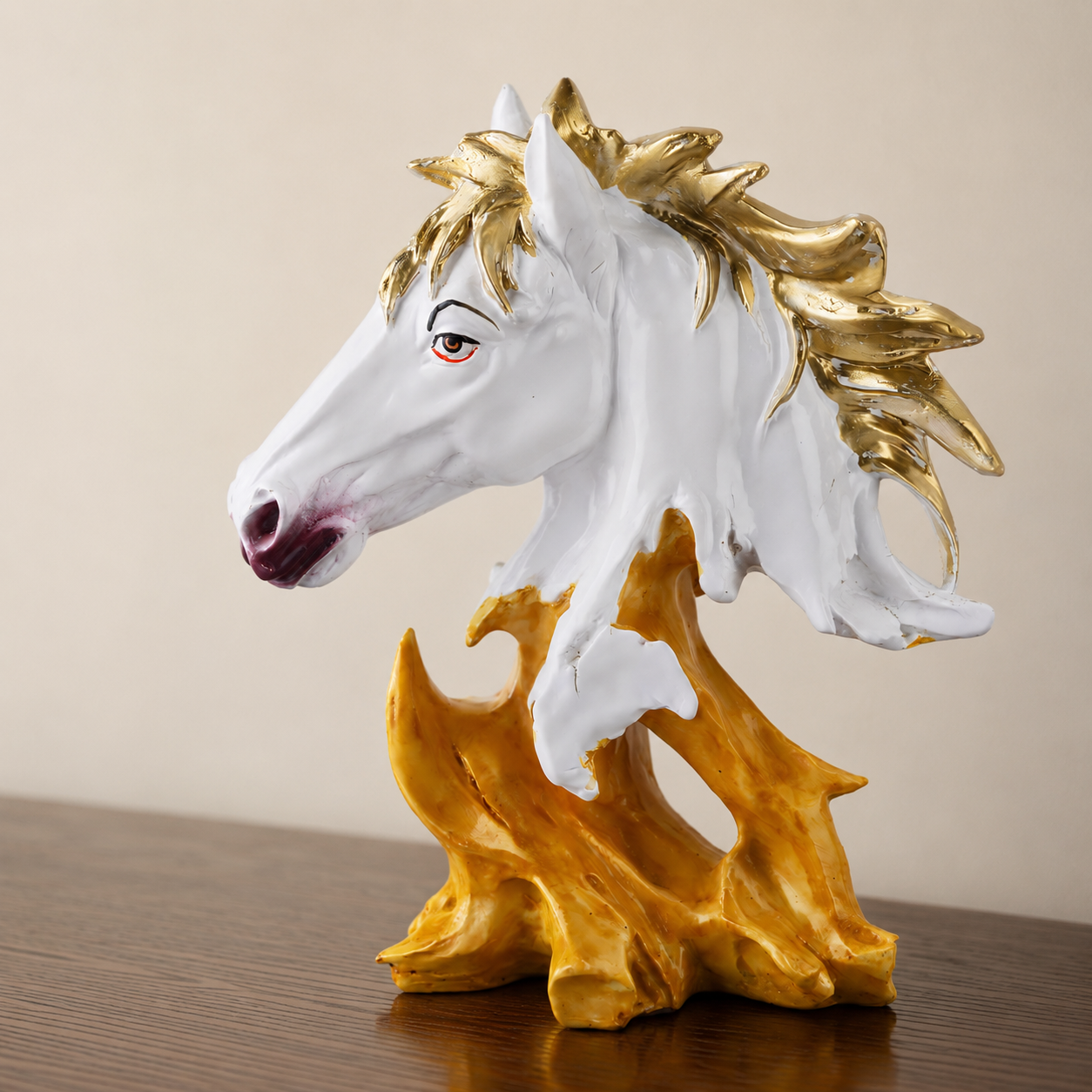
Living rooms, where guests are received, typically hold the largest and most visually confident pieces — this is where a Large-format showpiece (25–34cm, engineered as a genuine focal point rather than a filler object) earns its place on a console or coffee table. Bedrooms are the one zone where Vastu tradition advises against most lucky charms altogether, reserving them instead for common areas, entryways, and the puja or study corner.
If you're decorating a new apartment or refreshing a living room, our modern home décor items collection is organized by size band precisely so you can match the object to its zone without guessing — Small (10–16cm) pieces for shelves and study corners, Medium (16–21cm) for coffee tables and showcases, Large (25–34cm) for entryway or living-room focal points.
A lucky ornament that cracks, fades, or discolours within a year isn't just a decorating loss — in most traditions, a broken or damaged auspicious symbol is considered inauspicious to keep displayed. This is where material specification stops being a manufacturing detail and starts mattering to the buyer directly. Moolwan publishes exact composition data for every material category so you know what you're placing in your home, not just what it looks like in a product photo.
| Material | Composition | Durability | Climate Tolerance | Best For |
|---|---|---|---|---|
| Ceramic showpieces | 92% clay composition | 5+ year lifespan, 15cm drop-resistant | Heat-resistant to 60°C, humidity-tolerant up to 85% RH | Idols, elephants, tortoise figurines |
| Resin showpieces | 94% epoxy resin purity | 3+ year indoor lifespan, 3H pencil-hardness scratch resistance | Humidity up to 60% RH, temperature 15–35°C | Detailed figurines, gifting pieces |
| Canvas wall art | 340 GSM cotton canvas, eco-solvent UV-resistant inks | 1.5-inch kiln-dried pine frame, moisture-resistant coating | Fade-resistant under direct Indian sunlight | Om, mandala, and Lakshmi-motif wall pieces |
Weight matters too: every Moolwan piece sits between 150g and 600g, light enough for Indian drywall, false ceilings, and shelving without additional wall reinforcement — a detail most buyers only discover after a heavier import piece has already damaged a wall.
Ready to place your first lucky ornament correctly?
Shop Showpieces For Home DécorPlacement follows a simple three-step logic that applies to almost every ornament category. First, identify the zone: entryway, living room, puja corner, or study. Second, check the object's traditional direction — elephants and Lakshmi idols generally face inward toward the room, tortoises face the main door, and bells hang where air or movement can reach them. Third, match the size to the surface: a Large (25–34cm) piece overwhelms a narrow entryway shelf, while a Small (10–16cm) piece disappears on a large console table.
A living room console is the single highest-impact placement for most Indian homes, since it's visible to both family and guests and typically sits along the entry sightline. This is also where finish matters most for everyday upkeep — Moolwan offers both matte and glazed finishes, and both are designed to be easy to wipe clean without special polish, which matters for a piece that's handled or dusted daily during festival season.
If you're building out an entryway or living room shelf from scratch rather than adding one piece, our modern home décor items collection groups pieces by size band so an elephant showpiece, a wall art panel, and a smaller accent piece can be styled together without any one item competing for visual space.
Lucky ornaments are among the most common housewarming, wedding, and festival gifts in India, but the wrong choice is a common source of buyer's remorse — a fragile resin idol that cracks in transit reflects poorly on the giver, regardless of the sentiment behind it. The safest gifting categories are paired figurines (mandarin ducks, a Lakshmi-Ganesh set), Small to Medium ceramic pieces that travel well, and framed canvas wall art, which packs flat and ships without breakage risk.
Moolwan's showpieces for home décor are manufactured in-house at Euphorica Ventures' Bangalore facility rather than sourced through import middlemen, which keeps pricing direct and lets a gift-buyer choose a genuinely durable piece without paying a markup for a brand name alone. Every purchase also carries Moolwan's return policy: unused pieces in original packaging can be returned within 24 hours of delivery, with a 10% restocking fee and refund processed within 15 working days — a detail worth knowing before you gift something meant to represent good fortune, not a returns headache.
Ruchi Malhotra, Founder & CEO of Moolwan (Euphorica Ventures Pvt Ltd, Bangalore), built the brand specifically to solve this gap: most Indian décor is either mass-produced and climate-incompatible, or priced up by middlemen for the same base product. Moolwan stands for manufacturer-direct pricing, in-house quality control, and décor engineered for Indian heat, humidity, and wall types — not décor styled for a showroom photo and shipped without regard for how it survives a Bangalore monsoon or a Delhi summer.
Yes, as long as each piece is placed in its correct zone and direction rather than clustered together. A living room can hold an elephant showpiece near the entry, a Lakshmi-Ganesh idol on a console, and a wall art piece above — the key is spacing them so each has its own visual and directional purpose.
Most traditions advise against keeping a visibly cracked or chipped auspicious object on display. This is exactly why material durability matters at purchase — a ceramic piece rated for 15cm drop resistance and 5+ year indoor lifespan is far less likely to reach that point than a thin, unrated resin import.
This depends on the specific tradition and family practice rather than a universal rule — many households perform a simple puja before placing an idol or figurine, while symbols like wind chimes or tortoises are typically placed without a formal ritual.
For compact apartments, a Small (10–16cm) or Medium (16–21cm) piece is usually the better fit for shelves, console tables, and study corners, keeping the room from feeling cluttered while still giving the ornament its own visual space.
Ceramic is the stronger choice for high-humidity coastal cities, since Moolwan's ceramic pieces are rated humidity-tolerant up to 85% RH, compared with resin's 60% RH tolerance. Resin remains a good option for drier or air-conditioned interiors where humidity swings are smaller.
Bring home décor built to last, not just look good on Diwali.
Trusted by 3,000+ customers · 100% authentic · Free shipping · COD available
Shop Living Room ShowpiecesWritten by the Moolwan Design Concept Team. Reviewed by Ruchi Malhotra, Founder & CEO, Moolwan (Euphorica Ventures Pvt Ltd, Bangalore).
Quick View



