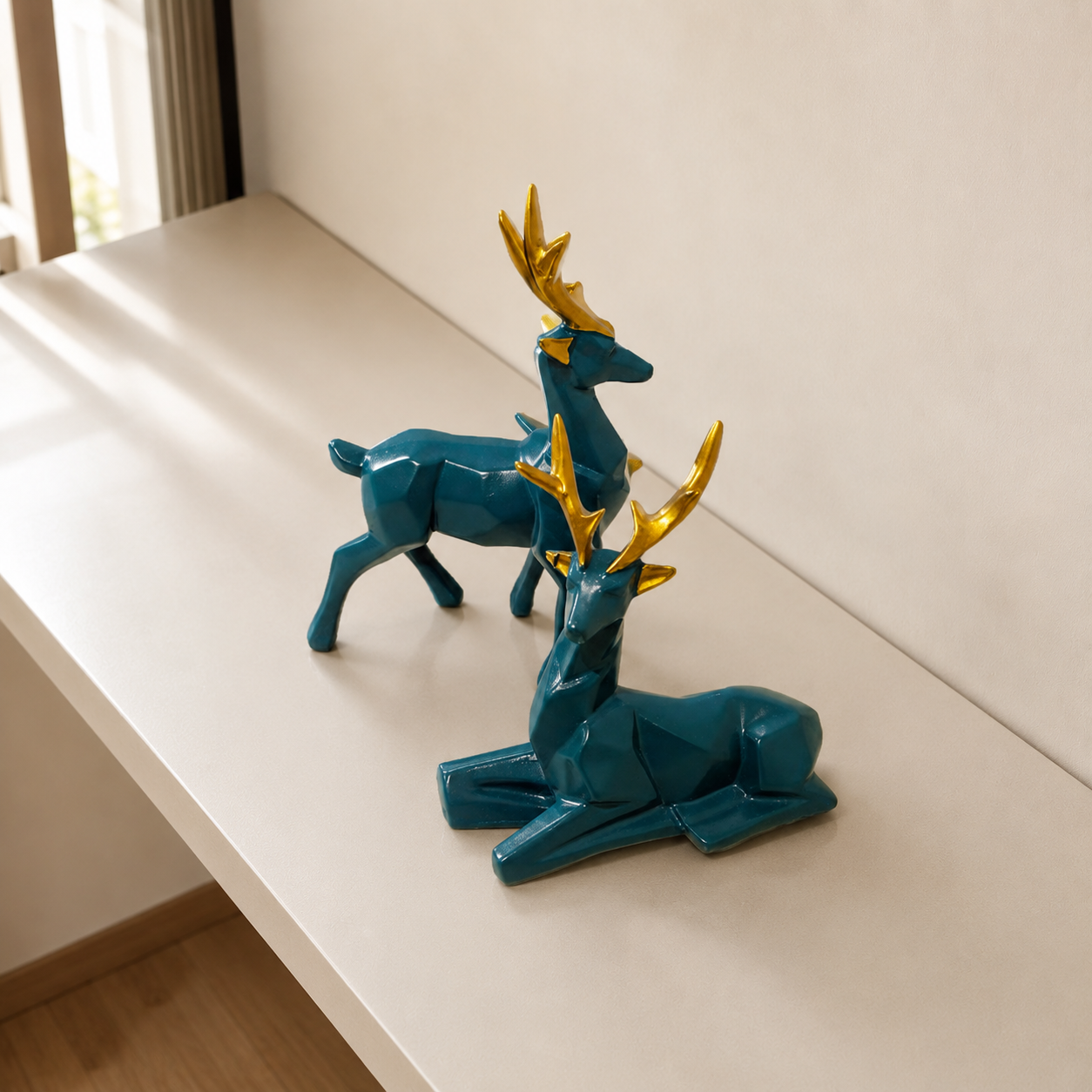
As per Vastu, keep a fresh fruit bowl, a small auspicious showpiece (Kuber, Ganesha, or a laughing Buddha), and fresh flowers on your dining table — never leave it empty, cluttered, or facing a mirror. The table should ideally be square or rectangular and placed in the west, south, or southwest zone of the dining area for the best flow of positive energy.
We help design-conscious Indian homeowners balance traditional Vastu principles with modern dining room styling, without turning the table into a cluttered shrine or an empty slab. A dining table sits at the heart of family life in most Indian homes, and Vastu Shastra treats it as a zone that directly influences abundance, family harmony, and health — which is why what you place on it matters as much as where the table itself sits.
Vastu practitioners generally agree that an empty or bare dining table symbolises lack, while an overcrowded one blocks the free flow of energy said to nourish the household. The goal is a table that always carries a few deliberate, meaningful objects: something that represents abundance (fruit), something that represents prosperity (a showpiece tied to wealth or well-being), and something living (fresh flowers or a small plant) — with nothing that reflects, sharpens, or drains that energy back out of the room.
These are the items Vastu consultants most consistently recommend keeping on or near an Indian dining table, and the reasoning behind each one:
If you're building this out for your own living room or open dining-cum-living layout, browse Moolwan's showpieces for living rooms collection — most pieces are sized specifically for tabletop use, starting at ₹150, with COD and free shipping available.
Just as important as what you add is what you deliberately keep off the table. These are the most common Vastu mistakes homeowners make with dining table styling:
Material choice matters for more than aesthetics — in Indian homes, humidity, heat, and daily handling near a dining table mean décor needs to hold up physically as well as symbolically. Here's how the two most common showpiece materials compare for dining table use:
| Material | Composition | Climate Tolerance | Best For |
|---|---|---|---|
| Ceramic | 92% clay composition | Heat-resistant to 60°C, humidity-tolerant up to 85% RH, 15cm drop-resistant | Kuber/Ganesha idols, fruit bowls, daily-use showpieces near the kitchen |
| Resin | 94% purity epoxy resin | Humidity up to 60% RH, temperature range 15–35°C, 3H pencil-hardness scratch resistance | Decorative accent pieces in air-conditioned or drier dining zones |
Both material classes come in matte and glazed finishes and weigh between 150g and 600g, which keeps them light enough for a dining table without tipping easily. For a full range sized specifically for Indian dining and living spaces, explore Moolwan's modern home decor items — every piece is engineered for Indian climate conditions rather than imported and re-labelled.
Manufacturer-direct pricing from ₹150 · 3,000+ customers · 100% authentic · Free shipping · COD available
Shop Vastu-Friendly Showpieces →Object placement only works alongside correct table positioning. Here's the sequence most Vastu consultants recommend when setting up or re-arranging a dining space in an Indian home:
This is considered the most stable placement, keeping the dining area separate from the northeast "energy" corner reserved for prayer or study.
Facing east is linked to prosperity; west is considered the next-best alternative when east isn't structurally possible.
Round or oval tables are traditionally avoided for daily family dining; square and rectangular shapes are considered more stable and grounding.
Place a single well-chosen idol or antique-style piece rather than several small trinkets, and swap fruit and flowers before they age.
For homeowners who prefer a more heritage-inspired look over contemporary ceramic or resin pieces, shop Moolwan's antique showpieces for home decoration — a category built specifically around traditional Indian aesthetics with the same climate-tested manufacturing standards.
Moolwan is a manufacturer-direct home décor brand built for Indian homeowners who want their space to reflect both modern design sensibility and cultural rootedness — including Vastu-conscious choices like dining table styling. The brand manufactures its own canvas wall art, ceramic showpieces, and resin décor in-house, which removes the markup layers typical of imported or reseller-driven décor, and engineers every piece specifically for Indian humidity, heat, and apartment-scale spaces rather than adapting Western product lines. Moolwan sells canvas wall art paintings, modern showpieces, and curated gifts for Indian homes and gifting occasions.
No — an empty bowl carries the same "lack" symbolism as a bare table in Vastu. Keep it filled with fresh fruit, and replace anything that starts to spoil the same day.
Glass tabletops are generally discouraged in Vastu because they're associated with fragility and instability in family relationships. Wood, marble, or stone-finish tables are preferred where possible.
Warm, earthy tones — terracotta, mustard yellow, deep red, or beige — are considered Vastu-favourable for dining spaces, as they're linked to appetite and prosperity rather than the cooler tones used in bedrooms.
Vastu generally recommends the dining table not directly face or align with the main entrance, as it's believed to let household prosperity "flow out" of the home rather than settle within it.
Yes — a small laughing Buddha is a widely accepted Vastu-friendly addition to a dining table, associated with contentment and abundance, and pairs well with a fruit bowl in the northeast or north corner.
Free shipping · Cash on delivery · 24-hour easy returns
Shop Antique & Modern Showpieces →Quick View



