
Why entrance direction matters more than any other Vastu element
The main entrance is classified in Vastu Shastra as the point where a home's prana, or life energy, enters the structure. Every other placement rule in the home — kitchen, bedroom, pooja room — is calculated relative to this single reference point, which is why Vastu consultants treat entrance correction as the highest-priority fix before anything else.
We help design-conscious Indian homeowners balance modernity with traditional compatibility, and entrance direction is where that tension shows up first: a builder-fixed door rarely aligns with ideal Vastu placement, especially in dense urban apartment blocks where orientation is dictated by the building footprint, not the buyer.
Moolwan is India's manufacturer-direct home décor brand, and this guide reflects the Vastu-conscious décor advisory built into our own product design process — because correcting an entrance rarely means rebuilding it. In most homes, the fix is compositional: what sits at, above, and beside the door.
The entrance directions considered inauspicious in Vastu
Vastu divides the compass into eight primary directions and thirty-two sub-directions (padas) around a home's perimeter. Four zones are consistently flagged across classical Vastu texts as unfavourable for a main entrance:
| Direction | Vastu Verdict | Associated Effect |
|---|---|---|
| South (Dakshin) | Avoid | Linked to stagnation, health strain, and financial pressure |
| Southwest (Nairutya) | Avoid | Considered the weakest zone; associated with relationship discord and instability |
| South-of-South sub-pada | Avoid | Amplifies South-facing weaknesses further |
| West-of-South sub-pada | Avoid | Considered inconsistent, prone to unpredictable outcomes |
| North (Uttar) | Favourable | Associated with prosperity and steady growth |
| East (Purva) | Favourable | Associated with health, clarity, and new beginnings |
| Northeast (Ishanya) | Most favourable | Considered the seat of spiritual and material harmony |
West-facing entrances sit in a neutral zone — not ideal, but not classified as harmful either, and generally correctable with simple threshold and lighting adjustments.
How to identify your entrance direction correctly
A common error is measuring the direction of the wall the door sits on, rather than the direction the door faces when opened. Stand inside the home, face outward through the open door, and take a compass reading (a smartphone compass app is accurate enough for residential use) — that outward-facing bearing is the entrance direction Vastu consultants use.
Apartment buyers should also account for the building's overall orientation versus the individual unit's door — a South-facing tower can still contain individual units with East-facing doors, so always measure at the specific entrance, not the building facade.
Correcting a difficult entrance without structural change
Most Vastu consultants agree that full demolition and door relocation is a last resort. Moolwan's modern home décor collection is engineered around what practitioners call compositional correction — using placement, colour, and material at the threshold to redirect and stabilise incoming energy without touching the wall.
- Place a Vastu-compliant threshold or brass strip at the base of a South or Southwest-facing door — brass is considered a stabilising, grounding metal in Vastu practice.
- Position a wall piece or auspicious symbol directly opposite the entrance, on the interior sightline, to redirect entering energy toward the home's centre rather than a fixed corner.
- Keep the entrance zone visually uncluttered — Vastu treats a blocked or crowded doorway as compounding an already weak direction, regardless of what corrective piece is placed.
- Introduce warm, earth-toned finishes near a Southwest entrance specifically, since this direction is associated with the earth element in classical Vastu, and cool or clashing tones are considered to work against the correction.
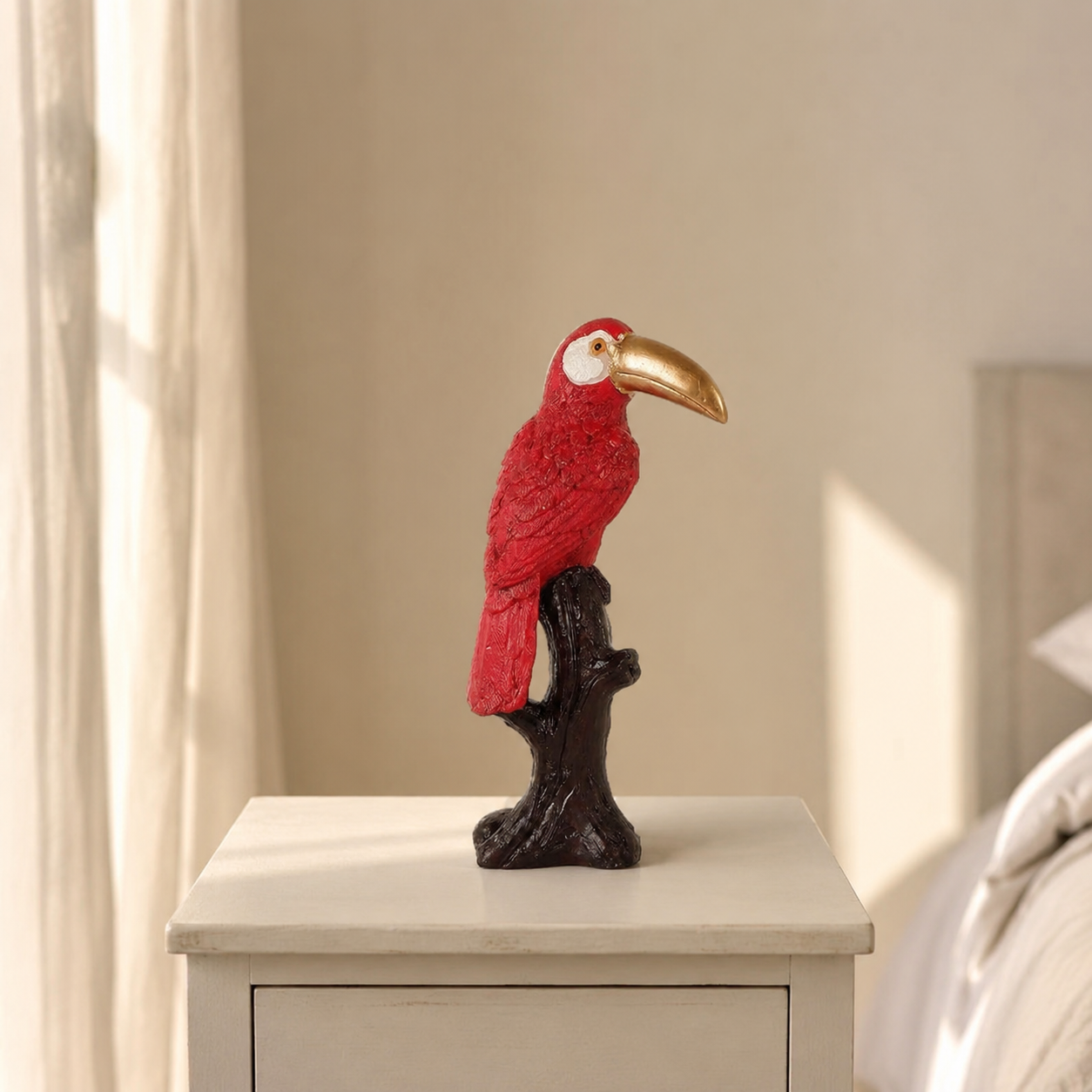
- For apartment dwellers who cannot alter the door itself, a well-placed showpiece or wall art panel just inside the entryway is the most commonly recommended non-structural fix, and is where most of our clients start.
Moolwan's showpieces and statement wall art are sized and finished specifically for Indian entryways — climate-tested, space-appropriate, and priced direct from our own manufacturing.
Browse unique decor items for your entrance and living roomWhat "good" Vastu decor at an entrance is actually made of
A corrective piece only works if it survives daily use at a high-traffic zone like an entryway — Indian entrances see direct sun, monsoon humidity spikes, and frequent contact. This is where product specification matters as much as placement.
Our resin showpieces are built at 94% epoxy resin purity, rated for indoor use up to 60% relative humidity and a 15–35°C range, with 3H pencil-hardness scratch resistance — specifications that matter directly at an entrance zone, where a piece is knocked, brushed past, and exposed to shifting temperature every single day. Ceramic pieces, at 92% clay composition, are heat-resistant to 60°C and rated for 85% relative humidity tolerance, which is the difference between a showpiece that lasts one monsoon and one that lasts five years.
For a Southwest or South-facing entrance specifically, we recommend medium-format pieces (16–21cm, 150–600g) that read as substantial from the doorway without overwhelming a compact Indian entryway footprint. Explore the full range of home decor items sized for exactly this placement.
Frequently asked questions
Is a South-facing entrance always bad in Vastu?
Not always — South-facing entrances are considered the weakest by default, but Vastu consultants note that correction through brass thresholds, controlled lighting, and grounding décor can meaningfully offset the direction. A South-facing door is a caution, not an automatic disqualifier for a home purchase.
Can I fix a Southwest entrance without breaking the wall?
Yes. Most corrections are compositional — threshold treatment, an interior-facing decor piece on the direct sightline from the door, and earth-toned finishes near the entry. Structural relocation is considered a last resort, reserved for entrances also flagged for other structural issues.
Does an apartment's building orientation override my unit's door direction?
No — always measure the direction your specific door faces when opened, not the building's overall facade orientation. A South-facing tower can still contain individual units with favourable East or North-facing doors.
What is the single best direction for a main entrance?
Northeast (Ishanya) is considered the most favourable entrance direction in classical Vastu, followed by North and East. These three directions are associated with clarity, steady growth, and spiritual balance.
Do I need a Vastu consultant, or can decor alone fix a difficult entrance?
For a genuinely difficult direction like Southwest, most homeowners combine both: a one-time consultant assessment to confirm the exact sub-pada, followed by decor-based correction for day-to-day maintenance. Decor alone is generally sufficient for milder cases like a neutral West-facing door.


